

French Brass Hanging Light
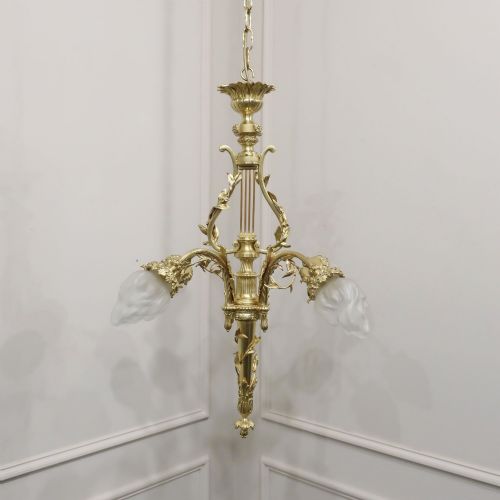
A French brass hanging light brings warmth and architectural presence to a room, ranging from grand chateau chandeliers to simple glazed hall lanterns.

French Brass Hanging Light
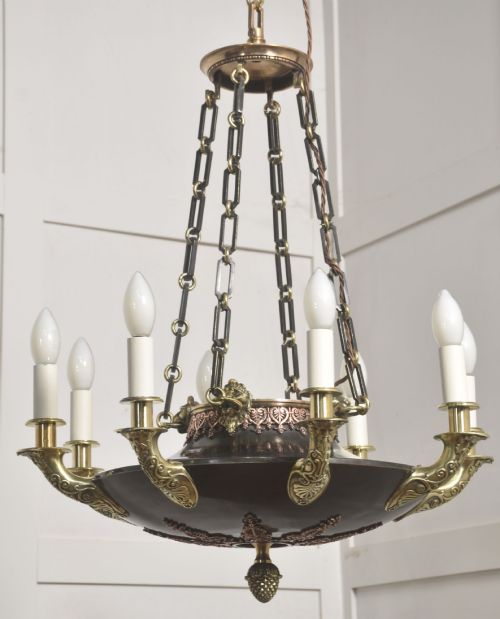
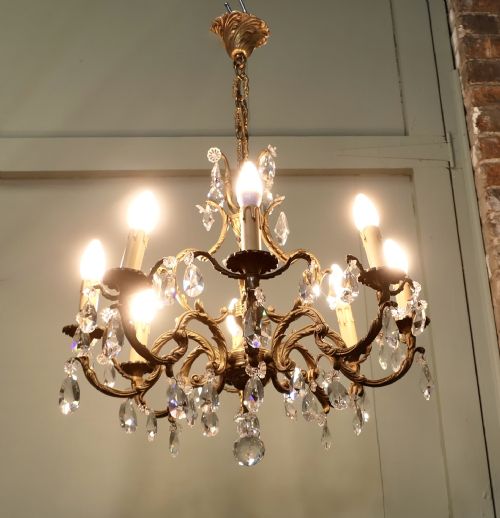
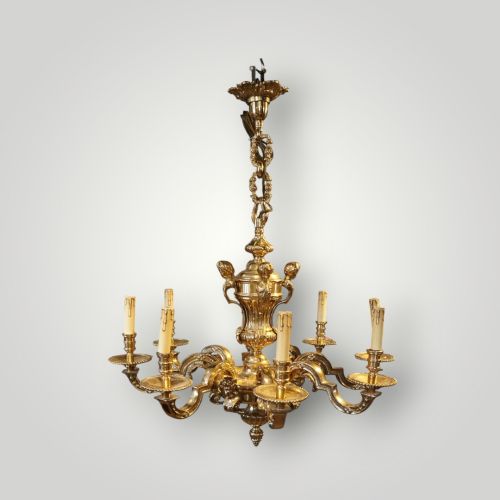
When you search for a French brass hanging light, you encounter a variety of ceiling lighting forms spanning the nineteenth and twentieth centuries, including multi-arm chandeliers, pendant lights and enclosed hall lanterns. The pieces reflect distinct periods such as the Edwardian era, the Victorian period and the Art Deco years, alongside revived historical movements like the Neoclassical, Empire and Rococo styles.
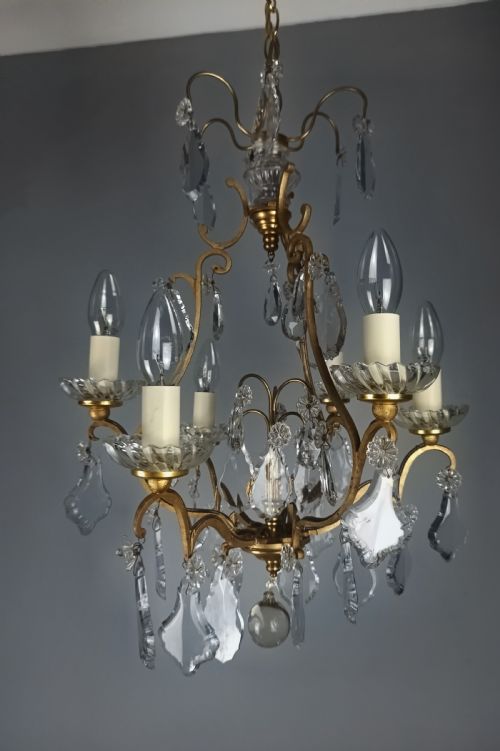
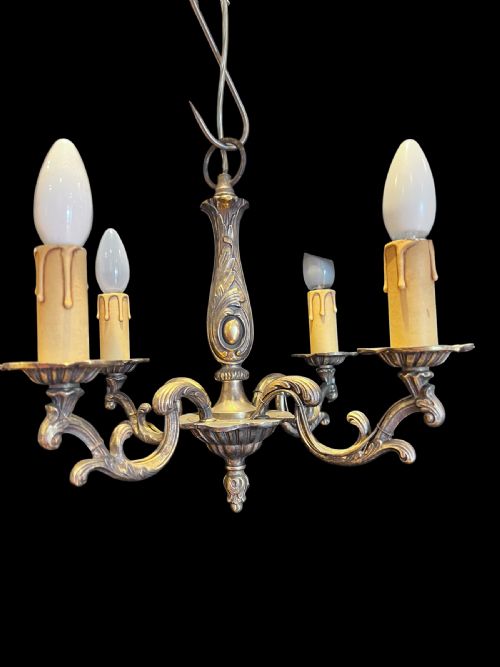
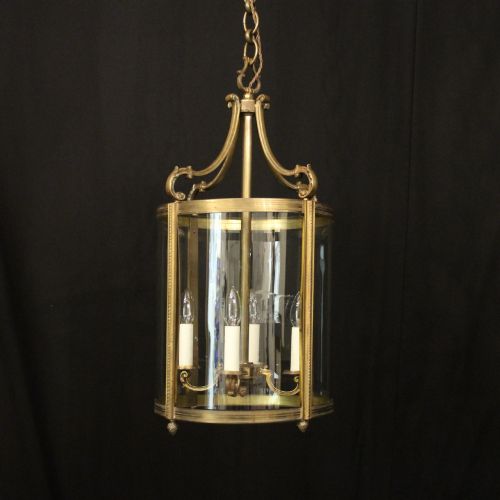
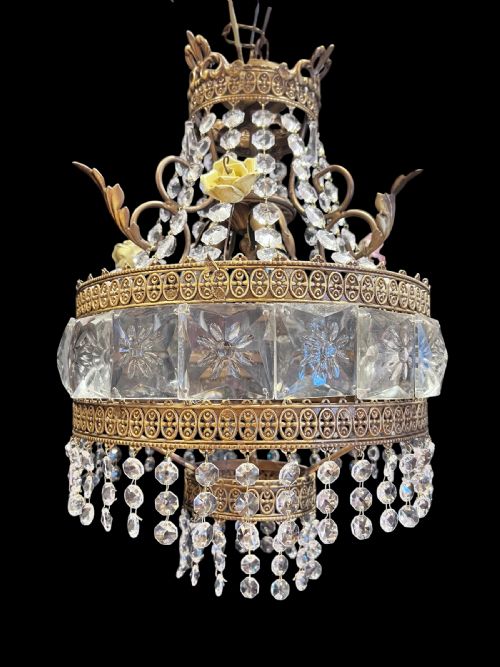
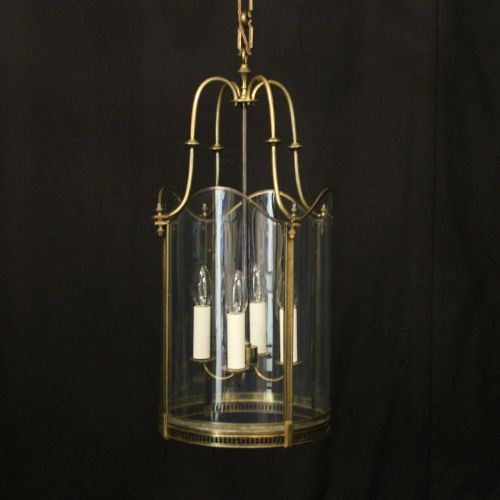
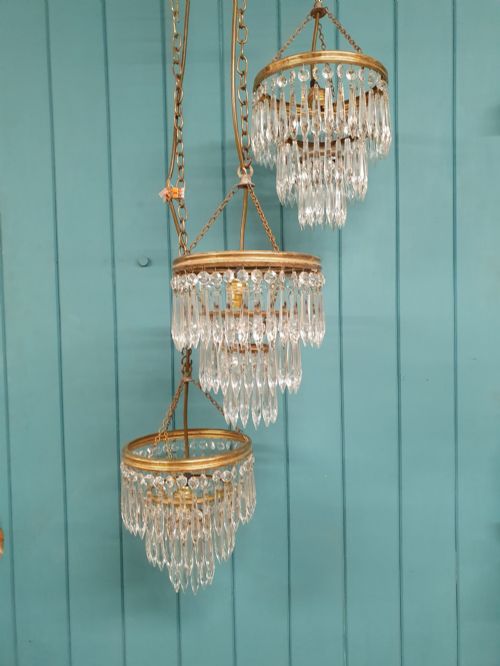
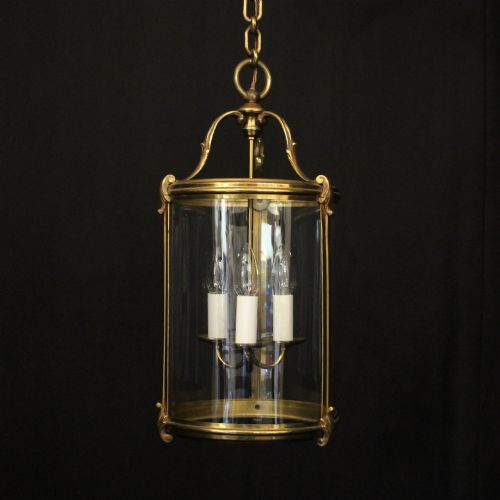
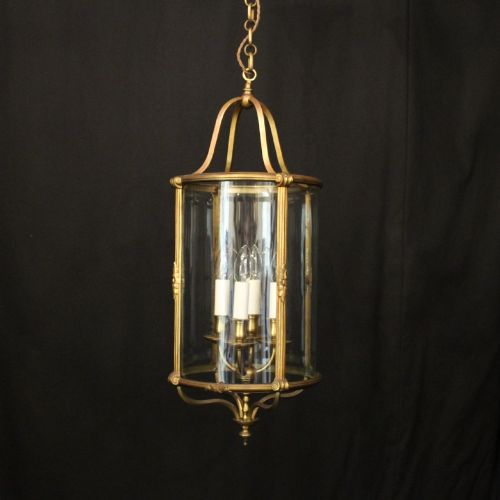
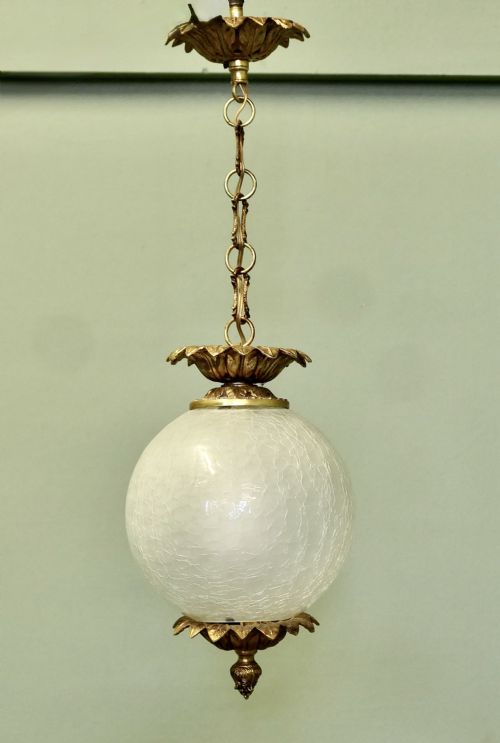
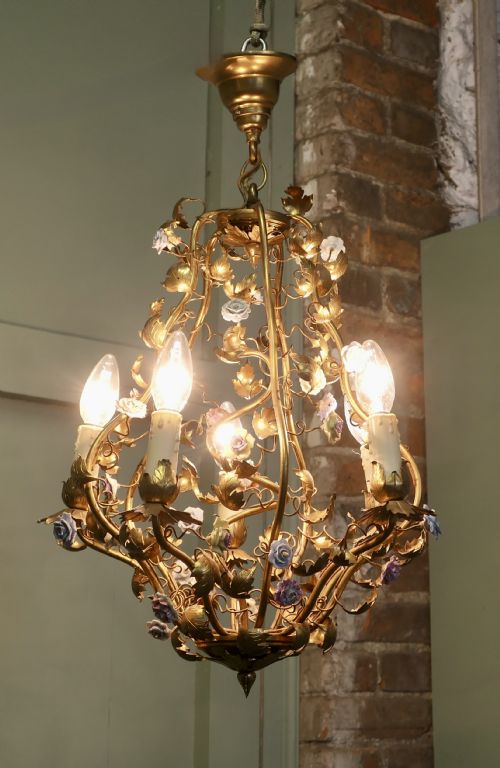
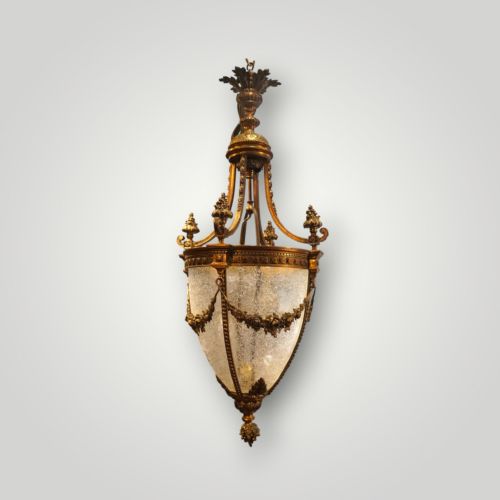
The most common examples on this page are multi-light chandeliers and glazed hall lanterns constructed from brass, gilt bronze or gilt metal. These fixtures often incorporate glass elements, ranging from simple convex panes to cascading crystal lustres and drops, designed to catch and amplify the illumination from early bulbs or candles.
Materials and construction methods
Makers utilised brass, bronze and copper as the primary structural metals, frequently applying a layer of gilt or gold leaf to enhance the visual weight of the fixture. Casting, chasing and soldering formed the foundational metalwork, creating intricate frames, scrolling arms and decorative mounts.
Glass production played a vital role in these hanging lights, utilising etched panels, opalescent globes, faceted crystal lustres and curved convex panes. These glass components were hand-blown or mould-pressed before being secured into metal frames with pins, bezels or internal wiring.
Some lanterns feature small side doors designed for lighting candles by hand before electricity took over.
Factors that define superior quality
The distinction between standard production and exceptional work lies in the crispness of the metal casting and the depth of the chasing. Finer examples display sharp relief on decorative mounts and balanced proportions across the arms or lantern frames.
The quality of the hanging elements and secondary materials also dictates the grade of the piece. Heavy cast bronze frames, thick hand-formed bevelled or convex glass panels and genuine cut crystal lustres elevate a fixture above simpler brass and pressed glass alternatives.
G.E.C
The French Brass Hanging Light Glossary
- Chandelier
- A branched ceiling light designed to hold multiple bulbs or candles. They often feature elaborate arms and crystal adornments.
- Hall Lantern
- An enclosed hanging light, frequently glazed with glass panels, traditionally placed in entrance halls or corridors.
- Gilt Bronze
- Bronze metal that has been coated with a thin layer of gold or gold-coloured alloy. It is also known by the French term ormolu.
- Lustre
- A cut glass or crystal pendant hung from a light fixture to reflect and refract illumination. They add sparkle and movement to the piece.
- Convex
- Curved outward like the exterior of a sphere. This glass shape diffuses light distinctively across a room.
French Brass Hanging Light: Frequently Asked Questions
Where should I hang a hall lantern?
Hall lanterns work best in entranceways, corridors or stairwells where their enclosed design and downward illumination can create a welcoming focal point.
Because they sit overhead, ensure you hang them at a height that clears head traffic while maintaining a proportional relationship with the ceiling height.
How do I identify a Neoclassical style light?
Neoclassical pieces draw inspiration from classical antiquity, featuring symmetrical lines, restrained ornamentation and architectural motifs such as urns or lyres.
They avoid the heavy asymmetry of Rococo designs in favour of formal balance and clean geometric restraint.
Are these lights compatible with modern wiring?
Most antique hanging lights have been adapted for contemporary electrical standards during their lifespan. You should have a qualified electrician inspect the internal wiring and fittings prior to installation.
Original brass and bronze frames easily accommodate standard modern bulb holders with professional rewiring.
What is a birdcage chandelier?
A birdcage chandelier gets its name from the curved metal framework that resembles the silhouette of an aviary. These frames are typically draped with rows of crystal beads and lustres.
This form gained popularity during the early twentieth century, offering a structured yet luminous profile.