


French Bistro Chairs
These French bistro chairs bring immediate café character to a terrace or dining room, offering durable metal and bentwood seating built for daily use.
French Bistro Chairs
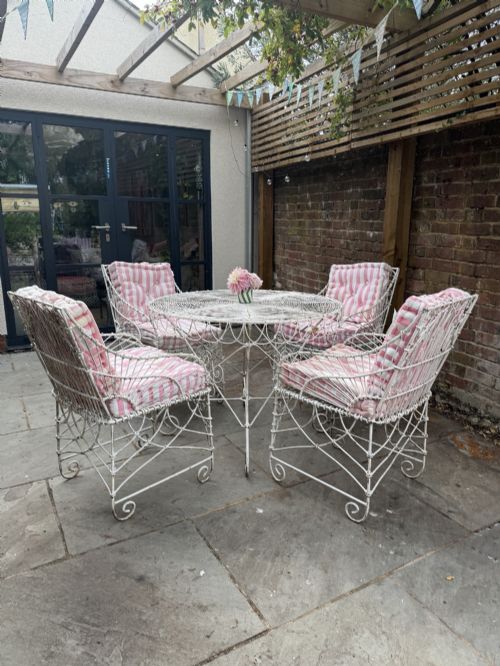
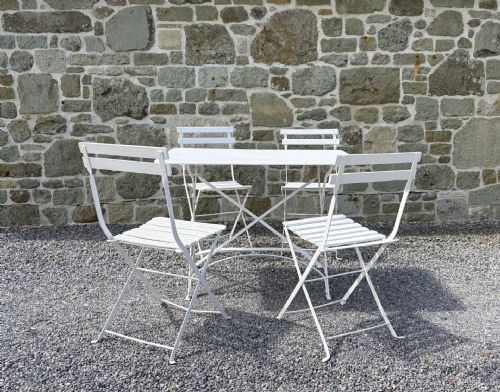
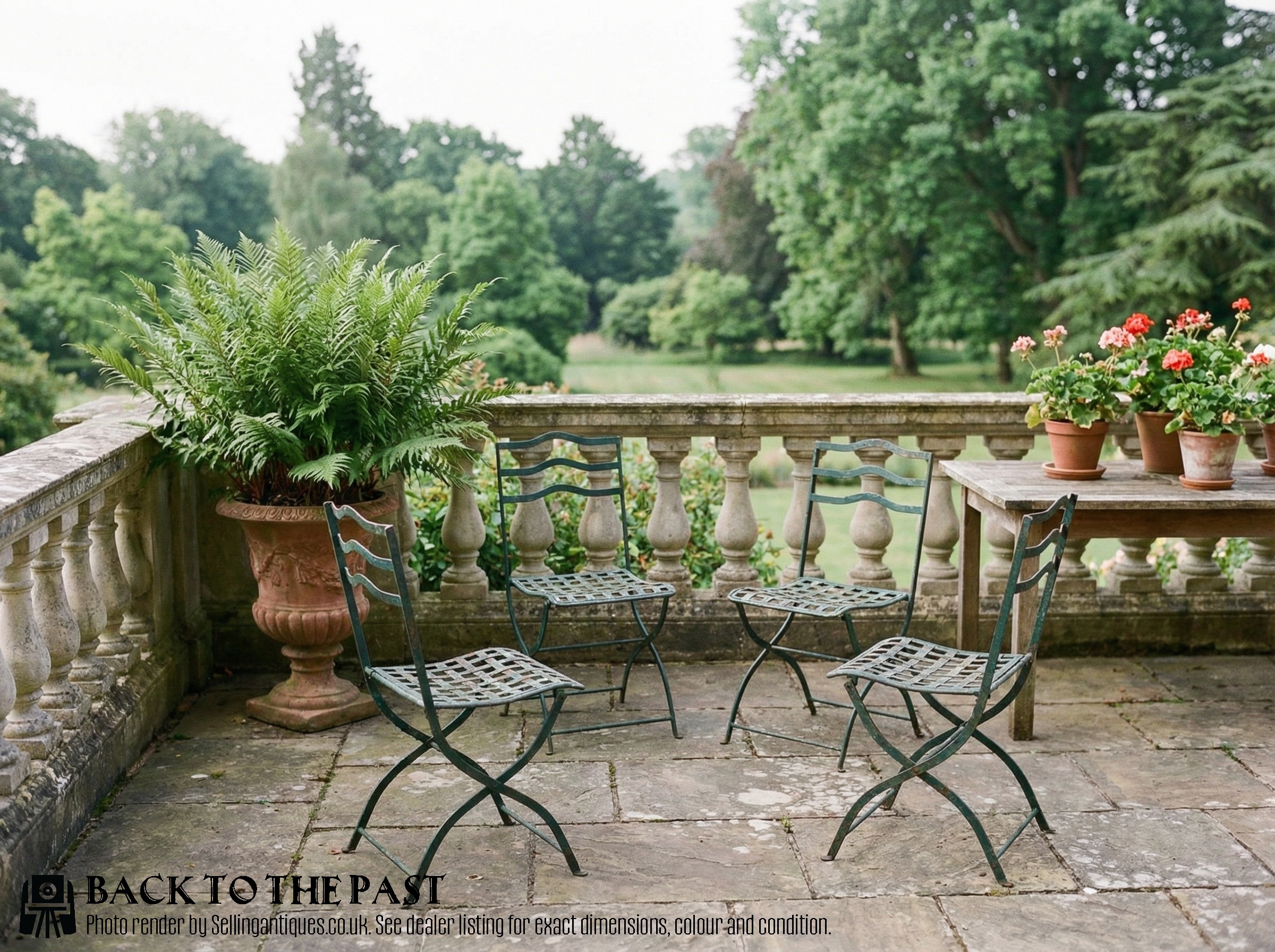
French bistro chairs encompass a range of seating and dining sets designed for commercial cafés and domestic gardens, frequently appearing alongside matching tables. The forms span folding iron variants, bentwood frames, and wirework garden settings originating from the late nineteenth century through to the mid-twentieth century. Buyers seeking this phrase encounter pieces categorized under French country, Victorian, and art deco styles, reflecting versatile seating solutions for both interior and exterior spaces.
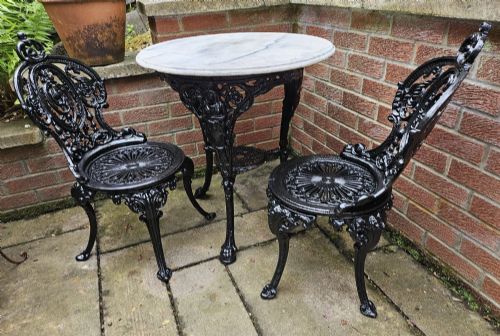
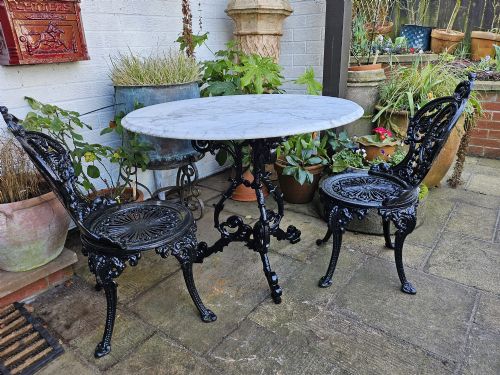
The selection ranges from single pairs and sets of four up to larger harlequin groupings of eight or ten chairs. Materials vary from beech wood and bentwood to cast iron, wrought iron, and zinc, often paired with marble tabletops in dining configurations. These items serve functional dining needs while retaining the distinct utilitarian aesthetic of traditional European hospitality.
Materials and construction
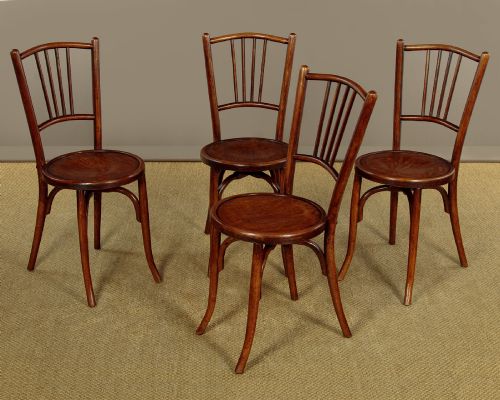
Makers utilised resilient materials such as beech, cast iron, wrought iron, and wirework to withstand rigorous daily service in bustling French establishments. Bentwood techniques allowed timber to be steamed and curved into ergonomic shapes, creating lightweight yet sturdy frames suited to frequent folding and movement.
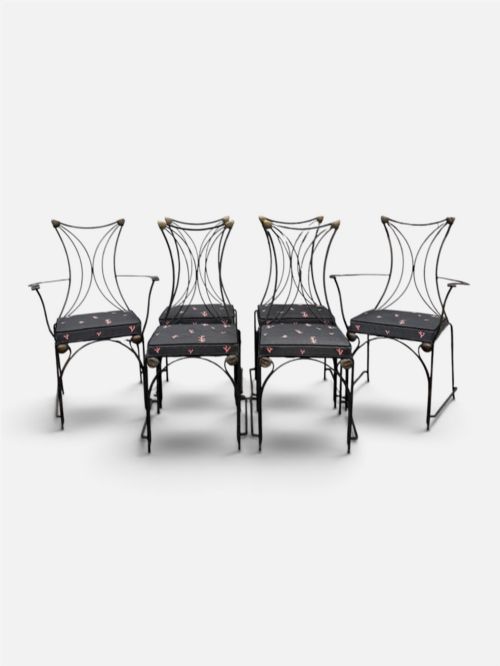
Metal components involved heavy casting and hand-wrought ironwork, sometimes accented with brass shell details or paired with smooth marble surfaces. These robust construction methods ensured longevity, allowing many surviving examples to transition from commercial terraces into residential gardens and dining rooms.
Some iron dining chairs feature delicate brass shell details, proving that even hardworking nineteenth-century café furniture appreciated a seaside holiday.
Evaluating quality and authenticity
Quality in these pieces depends upon the integrity of the original construction, whether through the precision of steam-bent wooden joints or the sturdiness of cast iron frames. Finer examples display harmonious proportions, balanced seating, and original structural elements without excessive modern reinforcement.
The character of the surface finish also distinguishes better pieces, where authentic patination on wood and weathered patinas on iron reflect genuine age and usage. Consistency across larger sets, particularly in matched or harlequin groupings, influences desirability among collectors seeking uniform aesthetic appeal.
Codina
The French Bistro Chairs Glossary
- Bentwood
- Timber shaped by exposure to steam and pressure into curved structural forms. This technique created the lightweight and resilient frames typical of early twentieth-century café seating.
- Wrought iron
- Iron beaten into shape by hand while hot, producing strong and malleable components. It differs from cast iron by displaying distinct forged textures and greater resistance to sudden impact.
- Wirework
- Metal strands interlaced to form open geometric patterns on garden furniture. This technique provided lightweight durability for outdoor seating and tables during the nineteenth century.
- Harlequin set
- A collection of assembled chairs that share a similar style or period without forming an original factory-matched suite. Such groupings offer a characterful and collected appearance around a dining table.
- Zinc top
- A sheet metal surface applied to wooden furniture frames to create a waterproof and easy-to-clean workspace. These tops developed distinctive patinas through years of commercial use.
French Bistro Chairs: Frequently Asked Questions
How do I clean vintage iron chairs?
Maintenance involves removing surface dust with a dry brush and wiping metal frames with a damp cloth. Avoid harsh chemical cleaners that might strip the historic patina.
For outdoor pieces, applying a light coat of protective wax helps guard against moisture while preserving the existing surface finish.
Can these chairs be used outdoors?
Many iron, wirework, and zinc-topped pieces were originally designed for garden or pavement use and handle outdoor environments well. Wooden bentwood items, however, fare better in interior spaces or covered terraces to protect the timber from damp.
Bringing wooden and upholstered seating indoors during harsh weather prevents warping and prolongs the lifespan of the materials.
What is a harlequin dining set?
A harlequin set consists of individual chairs sharing a similar period or silhouette rather than originating as a single factory-made suite. These groupings allow buyers to acquire larger seating configurations with varied individual character.
Such sets suit casual dining spaces where a uniform appearance is less important than historical charm.
How do I date an iron bistro set?
Dating relies on examining manufacturing techniques, material choices, and stylistic cues such as art deco geometric motifs or Victorian wirework patterns. Earlier nineteenth-century examples often feature heavier hand-forged iron components, whereas later twentieth-century pieces incorporate simplified industrial framing.
Comparing construction methods against documented periods helps establish a reliable timeframe for each item.