


French Outdoor Seating
French outdoor seating brings enduring character to terraces and lawns through iron, wirework and elm forms dating from the nineteenth century onward.
French Outdoor Seating
French outdoor seating encompasses a diverse array of garden furniture designed for terraces, lawns and conservatories. Buyers exploring french outdoor seating encounter categories ranging from folding bistro sets to elaborate benches and arbours.
Origins vary across French country styles, Gothic Revival influences and industrial workshops. Pieces frequently combine metalwork frames with wooden elements such as elm.
How They Were Made
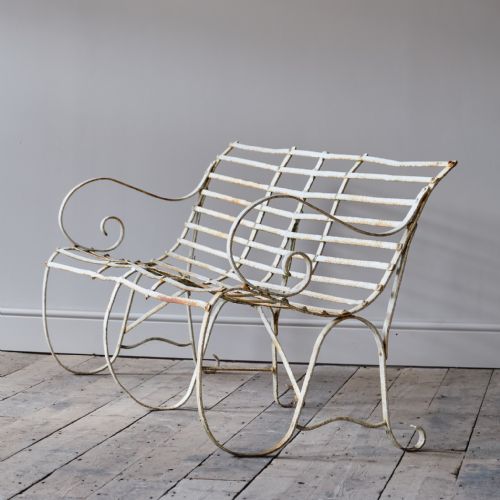
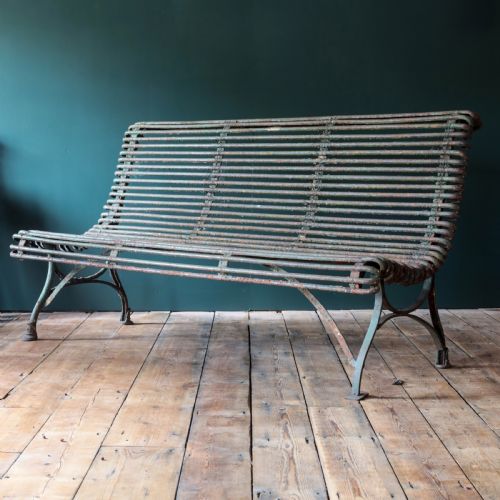
Craftsmen utilised wrought iron, cast iron, steel and wirework to construct durable frames capable of withstanding the elements. Metal components were frequently shaped through forging, casting and intricate strap work.
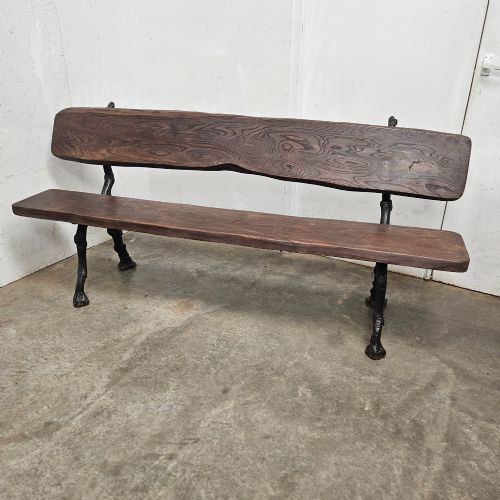
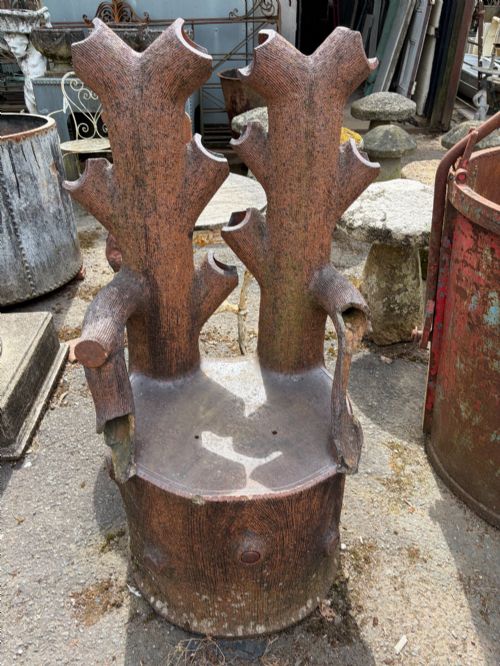
Wooden elements, notably elm, appear alongside metal frames, particularly in faux bois designs that imitate natural timber or branches. Protective layers of paint were applied to shield the metal from corrosion over decades of use.
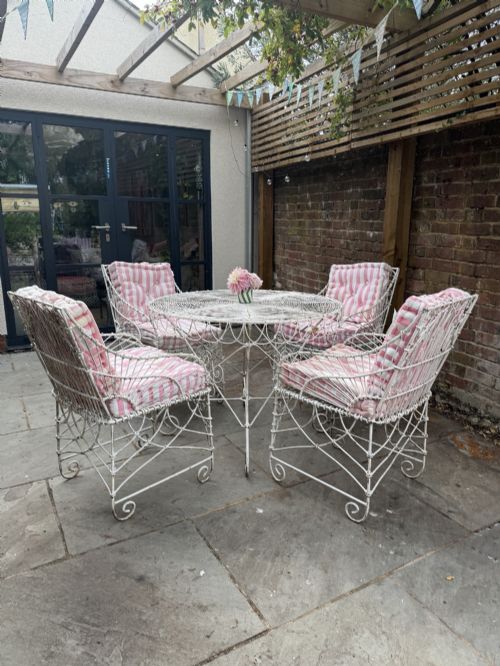
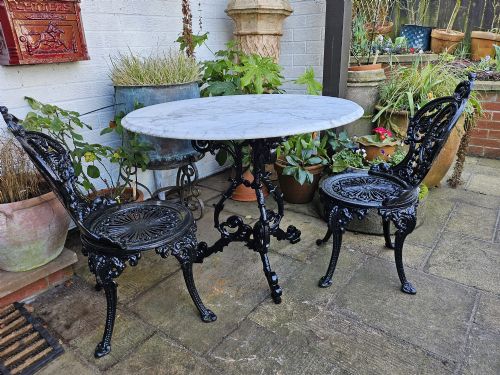
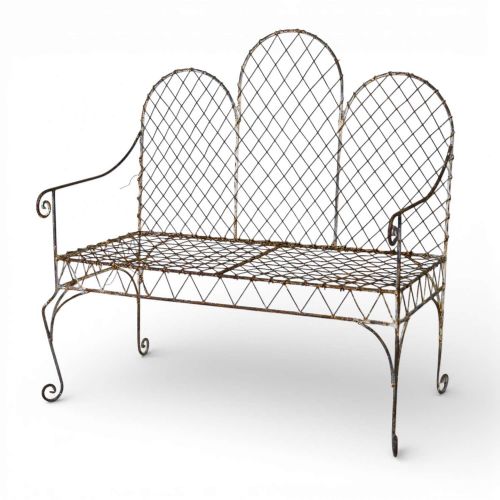
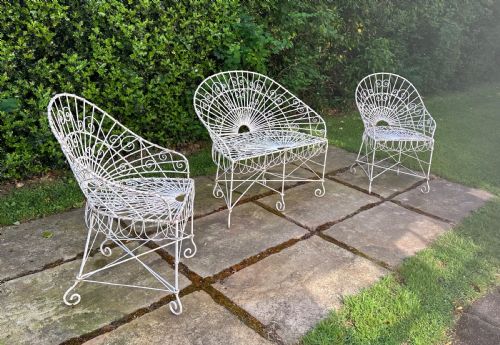
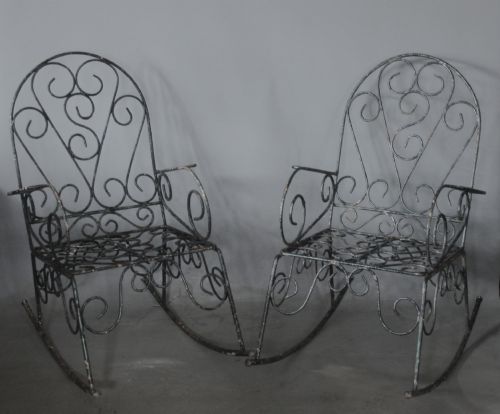
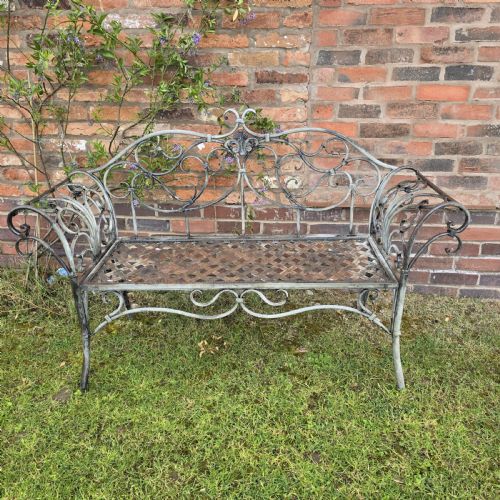
Specialised techniques such as wirework created open, geometric patterns for arbours, tables and chairs. Decorative details include scrollwork and Gothic-influenced motifs cast directly into the iron.
Listings feature periods spanning from 1800 through the 1940s, including Victorian and Edwardian examples alongside 1930s industrial designs.
What Varies in Quality
The sophistication of the metalwork and the complexity of the design distinguish standard production from exceptional examples. Pieces featuring intricate scrolling, specialised casting or distinct regional styles demonstrate superior craftsmanship.
The preservation of original surface finishes, such as layered historical paint, significantly influences the character of a piece. Structural integrity depends on the original gauge of the iron or steel and the condition of any wooden components.
Completeness alters the appeal of sets, with matching tables, chairs or benches retaining their original pairings holding greater contextual interest.
The French Outdoor Seating Glossary
- Faux bois
- Imitation wood. This technique involves shaping iron or concrete to resemble natural branches, bark and timber.
- Wirework
- Open metal construction. Artisans bent and wove metal wire into geometric patterns for lightweight garden furniture and arbours.
- Wrought iron
- Hand-forged metal. Blacksmiths heated and hammered iron bars into decorative scrolls and structural frames.
- Cast iron
- Poured metal. Molten iron was set into moulds to produce intricate decorative panels and bench ends.
- Bistro set
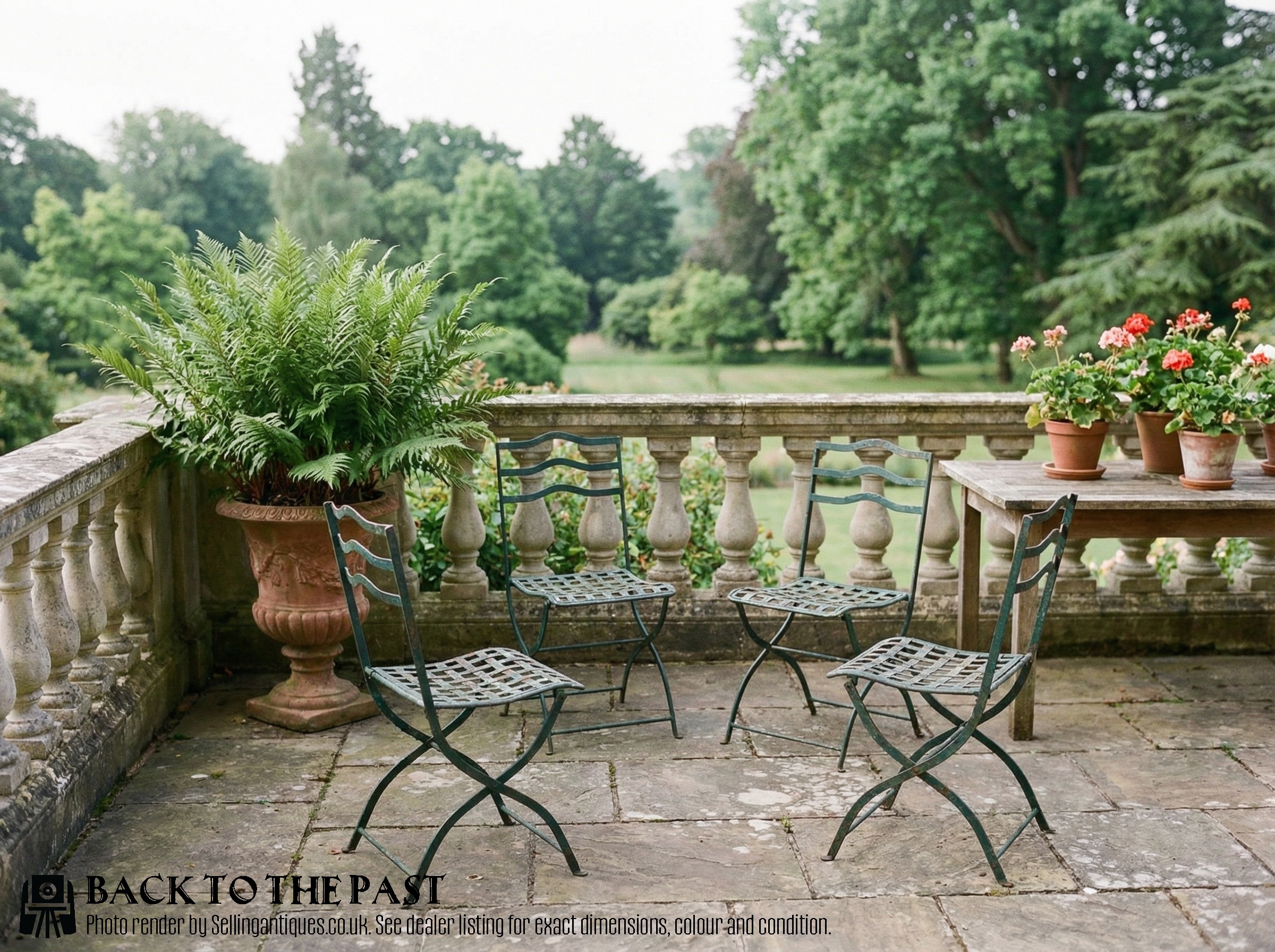
- Folding table and chairs. These compact outdoor dining sets originated for pavement cafes and small terraces.
French Outdoor Seating: Frequently Asked Questions
How do I care for antique iron garden furniture?
Keep metal furniture clean by washing gently with mild soap and water to remove dirt and debris. Avoid harsh chemical cleaners that might strip historical surface treatments.
Store pieces under cover or indoors during harsh winter weather to protect against excessive moisture and frost damage. Inspect periodically for any emerging surface corrosion and address it promptly.
Can these metal seats stay outside all year?
Many iron and steel pieces withstand outdoor conditions well due to their robust construction and protective paint layers. However, prolonged exposure to damp weather accelerates natural weathering and paint loss.
Wooden elements like elm require particular shelter from continuous rain to prevent rotting. Moving pieces into a conservatory or shed during the coldest months prolongs their lifespan.
How do I identify a 19th-century French bench?
Nineteenth-century examples often display heavier cast iron components, hand-forged wrought iron strap work or naturalistic faux bois detailing. Construction methods frequently rely on traditional joinery and heavy gauge metals rather than modern industrial welding.
Stylistic cues such as Gothic Revival motifs or specific regional foundry designs also point toward this period. Examining the wear patterns and layers of historical paint helps confirm age.