



French Art Nouveau Brass
French art nouveau brass brings organic fluidity into rooms through cast and spun metal work shaped by turn-of-the-century design.
French Art Nouveau Brass
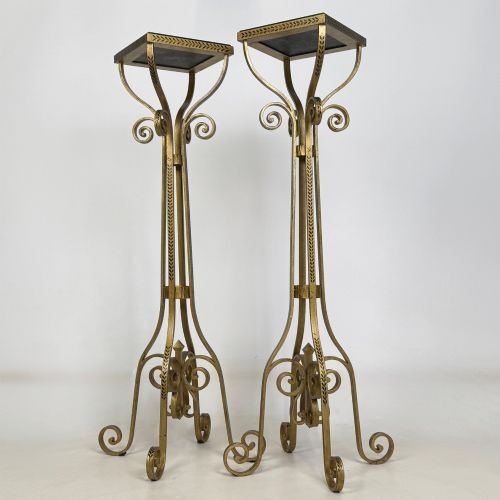
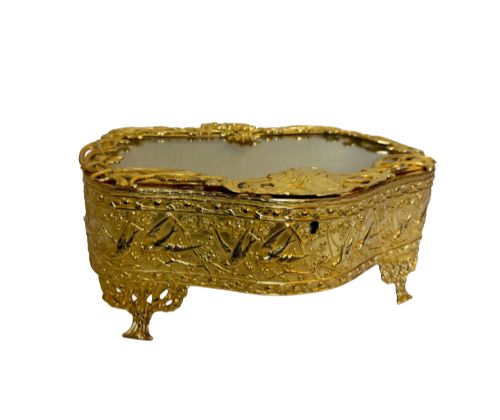
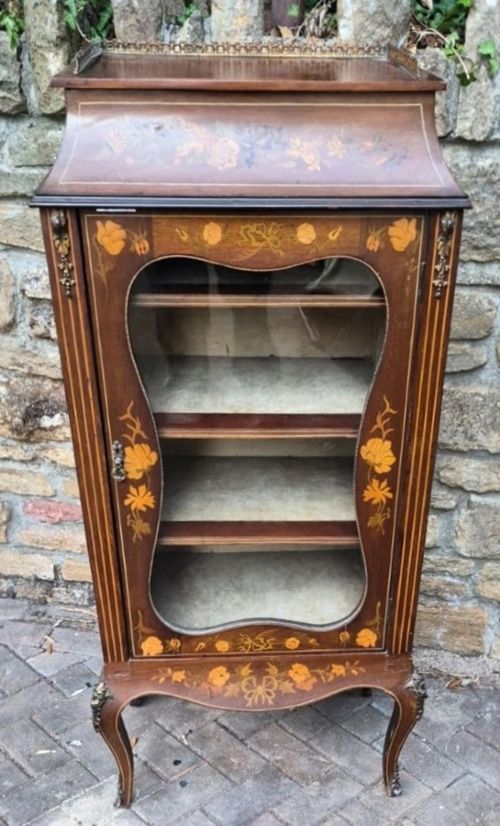
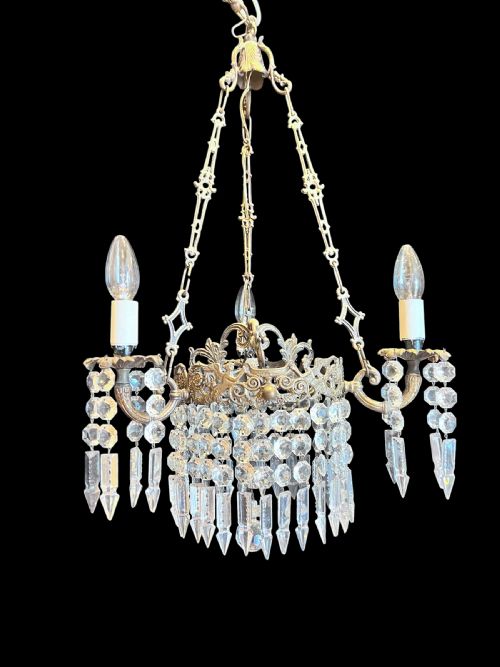
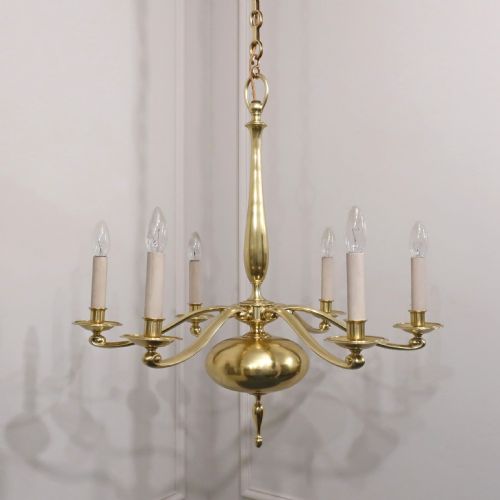
When searching for french art nouveau brass, buyers encounter domestic items and lighting shaped by organic curves and natural motifs. The selection includes chandeliers, wall lights, desk lamps, and decorative accessories created during the late nineteenth and early twentieth centuries.
Lighting forms predominate, ranging from rise and fall ceiling fixtures to articulated desk lamps and multi-arm wall sconces. Smaller decorative items such as ink stands, postal scales, and vanity mirrors also appear regularly alongside larger furnishing elements.
The objects stem from periods spanning the late nineteenth century through the nineteen-twenties, reflecting the aesthetic shifts of the period. Brass combines frequently with glass, bronze, and copper to form pieces designed for both utility and display.
How They Were Made
Maker techniques rely heavily on casting brass and bronze, often paired with spun elements to create flowing, asymmetrical contours. Surface finishes range from polished gilt bronze to patinated brass and copper, sometimes accented with enamel or frosted glass shades.
Artisans employed joinery, hammering, and assembly techniques that allowed for intricate plant and animal motifs. Glass components, including leaded panels and moulded shades, were integrated directly into the metal armature of lamps and light fixtures.
What Varies in Quality
Quality separates in the crispness of the cast detailing and the integrity of the original components. Finer examples display deeply defined botanical motifs with hand-chased surface work, whereas simpler items rely on routine casting.
The preservation of original elements, such as specific glass shades or patinated surfaces, dictates the standing of an object. Complete hardware mechanisms on adjustable lamps and intact enamel dials distinguish superior surviving pieces from altered examples.
L & F Moreau·G.E.C·Abel Landry·Dugué·Charles Korschann
The French Art Nouveau Brass Glossary
- Art Nouveau
- A style of decorative art characterised by fluid, curving lines inspired by natural forms. This movement dominated European design around the turn of the twentieth century.
- Gilt Bronze
- Bronze metal that has been coated with a thin layer of gold or gold-coloured alloy. It provides a bright, durable finish often seen on decorative mounts and lighting.
- Spelter
- An alloy of zinc used as a cost-effective alternative to bronze for sculptural figures and lamp bases. It takes patination well but possesses a lighter weight than true bronze.
- Faience
- Tin-glazed earthenware used for ceramic inserts and lamp bases within decorative metalwork. It introduces colourful, opaque glazed surfaces to the design.
- Rise and Fall
- A mechanical ceiling light suspension system utilising counterweights to adjust the height of the shade. This mechanism allowed users to position illumination directly over tables.
French Art Nouveau Brass: Frequently Asked Questions
How do I clean french art nouveau brass?
Dust surfaces gently with a soft, dry cloth to prevent accumulation within the cast crevices. Avoid harsh chemical polishes that strip historical patination and damage softer applied finishes.
For glass elements attached to the brass, remove them if possible and wash with mild soap and warm water. Ensure all components are completely dry before reassembly to prevent moisture damage to the metal.
Were these lights originally wired for electricity?
Many lighting fixtures from this period were originally designed for oil, gas, or early electric current. Surviving examples often feature later rewiring to meet modern safety standards.
When acquiring wall lights or chandeliers, inspect the internal wiring channels to understand how adaptation occurred. Professional rewiring is typically required for safe domestic installation.
How do I identify genuine art nouveau pieces?
Examine the design for characteristic whiplash lines, asymmetrical floral motifs, and stylized plant stems. Genuine items show manufacturing methods appropriate to the period, such as sand casting and hand-finishing.
Maker signatures or foundry marks occasionally appear stamped into the metal base or backplate. Compare the weight and construction quality against known examples from the era.
Where were these brass objects used originally?
Smaller desk accessories and stationery items populated studies, libraries, and formal writing desks. Lighting fixtures hung in principal reception rooms, hallways, and bedrooms of period homes.
Utility items like umbrella stands and jardinières stood in entrance halls and conservatories. Their placement depended on the specific domestic function each bronze or brass form served.