





French Art Deco Platter
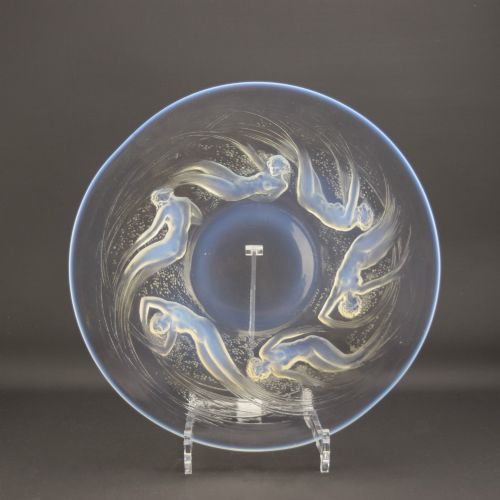
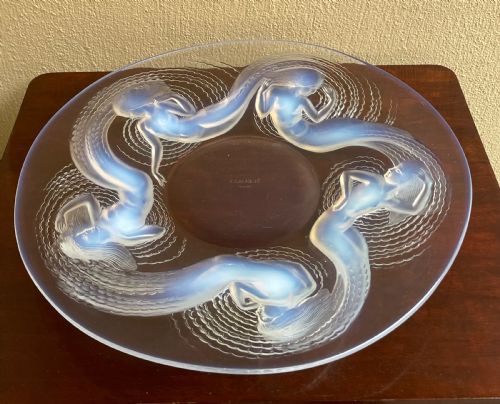
These French art deco platter examples bring tactile geometric elegance to a table, combining pressed glass and silver plate for striking display.
French Art Deco Platter
When you search for a french art deco platter, you encounter heavy moulded glass charger plates, silver plated serving trays, and decorative dishes dating from the 1920s, 1930s, and 1940s. These pieces function as serving dishes, trivets, fruit baskets, and salvers originating from Parisian workshops.
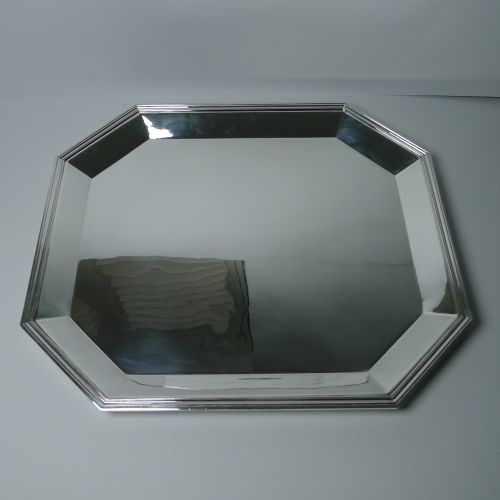
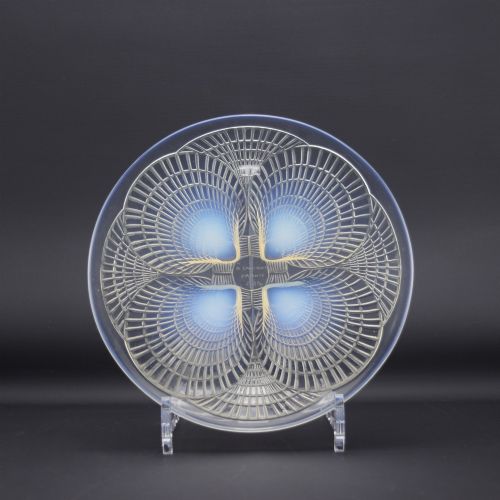
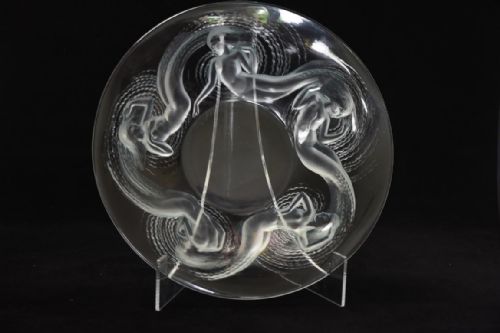
The most common forms on this page include opalescent glass plates featuring aquatic motifs or floral patterns, alongside octagonal silver plated trays. These objects capture the distinct modernist shift away from floral curves toward streamlined symmetry.
How they were made
Makers utilised pressed and moulded glass techniques, applying opalescent finishes, frosted textures, and sepia staining to highlight intricate surface relief. Glassworks manipulated light through thick clear and milky compositions to create depth within animal and plant designs.
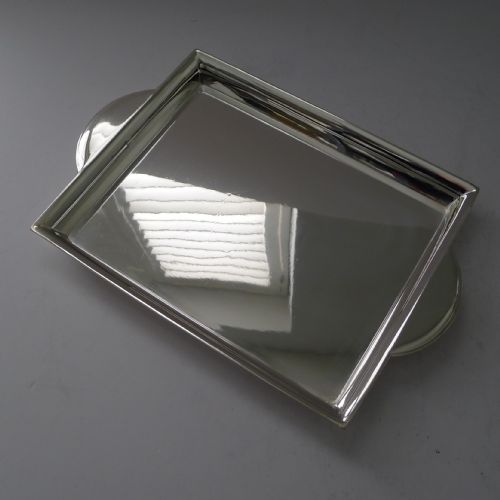
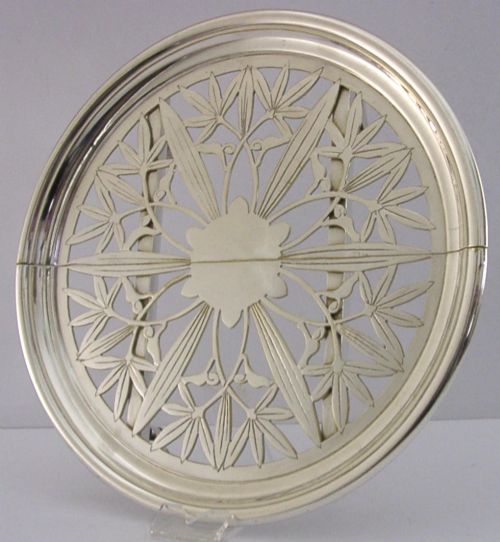
Metalwork pieces rely on silver plating over base metal foundations, frequently paired with wooden elements such as Macassar ebony. Construction methods focused on geometric rigidity, clean handler integration, and extending frameworks for serving dishes.
French Art Deco Platter Retail Price Guide 2026
Typical asking prices for french art deco platter among the pieces listed under this phrase on Sellingantiques today, from the lower quarter to the upper quarter. They describe what is for sale here now, not the wider market.
Dogs and fish crowd the glass surfaces, proving that 1930s diners enjoyed hounds racing across their dinner plates just as much as swimming carp.
What varies in quality
The distinction between standard production and superior execution rests upon the crispness of the moulded glass relief and the depth of the opalescent fire. Pieces with strongly defined sepia stains or rich milky iridescence demonstrate higher artistic intent from the press.
Silver plated metalwork varies according to the weight of the underlying tray structure and the retention of the original plating across high-contact surfaces. Substantial gauge metal and precise geometric joinery separate ordinary utilitarian items from grand presentation chargers.
Orfèvrerie Christofle·René Lalique·Sabino·Verlys
The French Art Deco Platter Glossary
- Opalescent glass
- Glass that displays a milky blue or orange glow when lit from certain angles. This effect results from chemical additives during the cooling process.
- Salver
- A flat tray typically used for serving food or drinks. In this period, they often doubled as decorative centrepieces.
- Charger
- A large decorative plate placed underneath other dinnerware or utilised independently for presentation. These pieces showcase expansive moulded motifs.
- Silver plate
- A thin layer of silver bonded to a base metal core. This technique allowed manufacturers to produce grand serving dishes at a lower cost than solid silver.
French Art Deco Platter: Frequently Asked Questions
What were these platters used for?
These pieces served practical functions as cocktail trays, bread baskets, and serving dish stands during formal dining. Households also displayed them upright as decorative plates and chargers.
Their sturdy construction in glass and silver plate allowed daily handling while maintaining a striking appearance on dining tables and sideboards.
How do I clean opalescent glass?
Wash opalescent glass gently using lukewarm water and a mild, non-abrasive detergent. Avoid harsh scrubbing brushes that might damage the delicate frosted or stained surfaces.
Dry the pieces thoroughly with a soft lint-free cloth to preserve the milky fire within the glass.
Are these items made of solid silver?
The metallic items listed here consist of silver plate over a base metal foundation rather than solid silver. This method provided durability and weight for large serving trays and extendable dish stands.
Manufacturers stamped factory marks onto the metal to indicate the plating process used during production.
How do I date an art deco tray?
Dating relies on stylistic markers such as geometric symmetry, modernist Macassar wood accents, and characteristic animal or floral motifs. Period pieces from the 1920s and 1930s often carry maker signatures or registry numbers moulded directly into the glass.
Comparing the manufacturing technique and metal hallmarks helps narrow the decade of origin.