

French Art Deco Plate
These pieces capture the elegance of a french art deco plate, offering distinct glass and silver forms for modern dining and display.
French Art Deco Plate
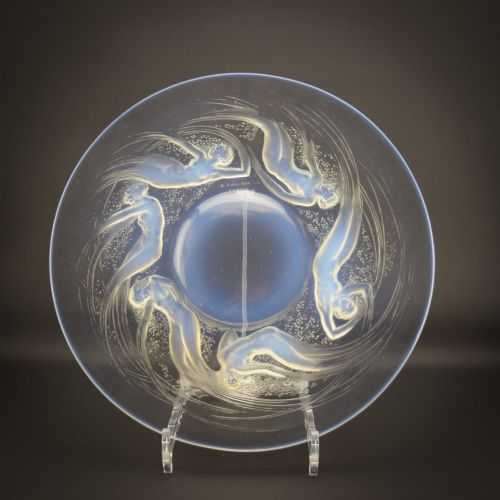
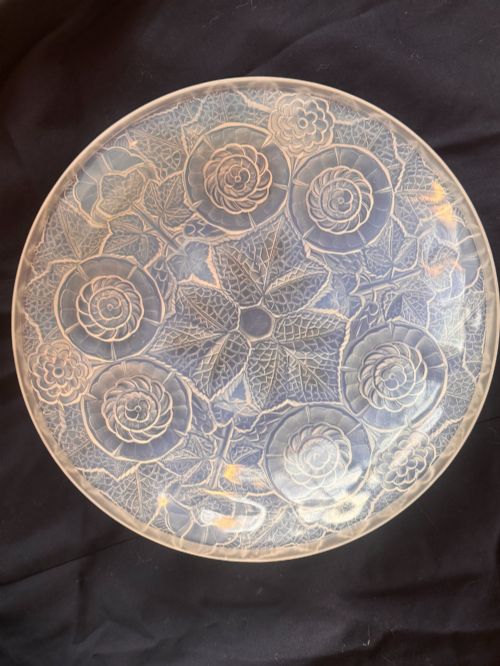
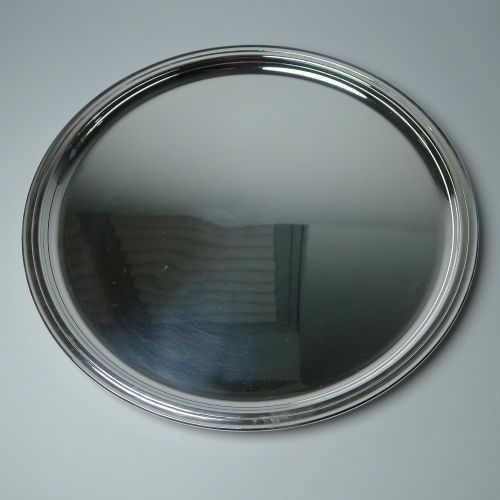
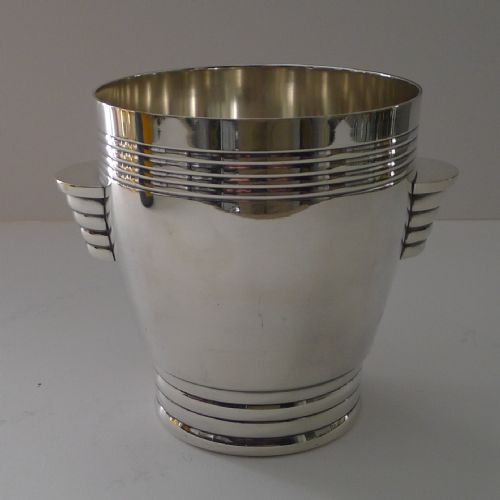
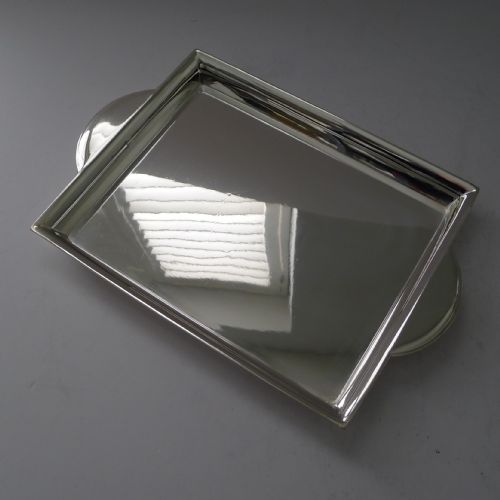
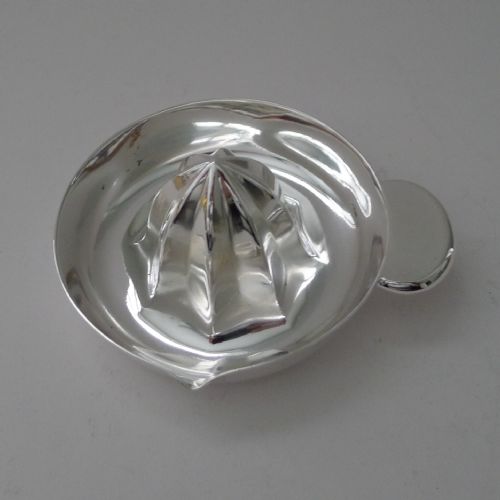
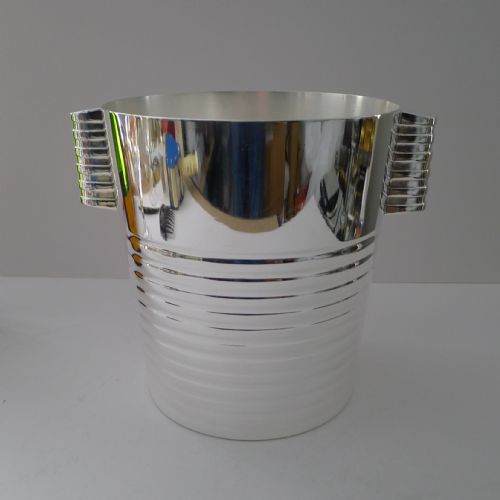
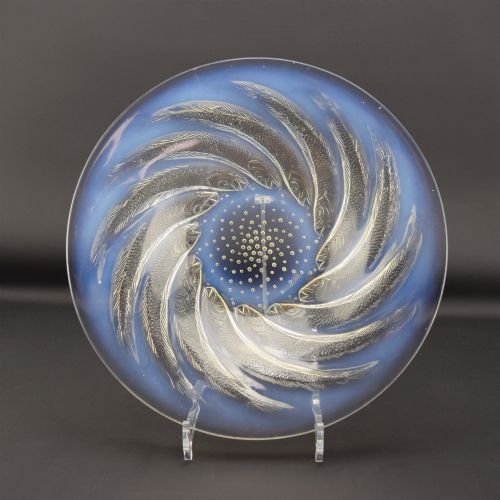
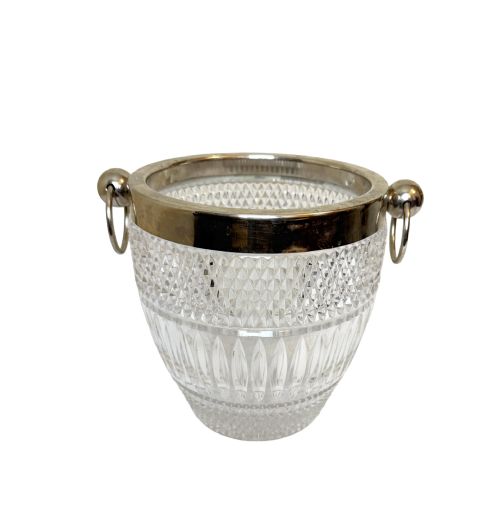
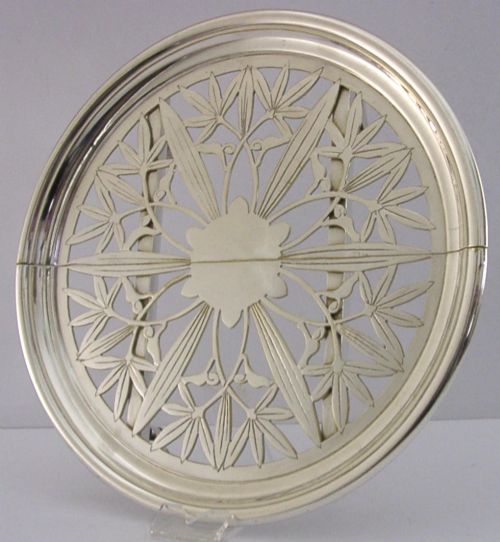
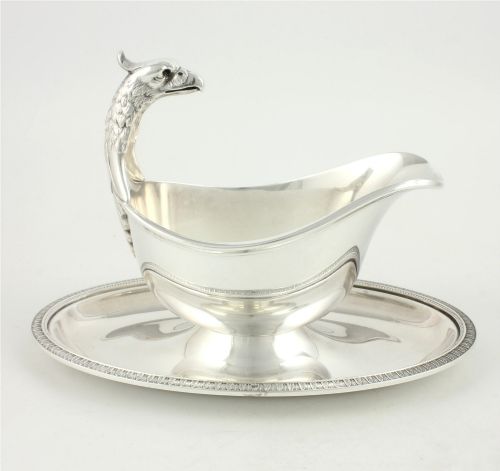
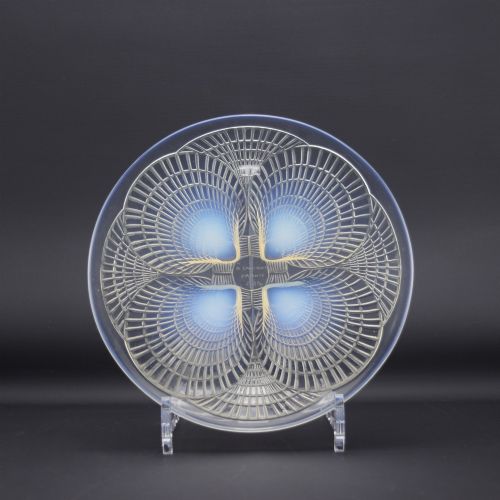
A french art deco plate encompasses both moulded glass tablewares and silver plated serving dishes produced during the early and mid twentieth century. Buyers seeking this aesthetic encounter objects ranging from opalescent glass chargers to heavy metal trays and ice buckets.
The selections recorded here span from nineteen hundred through to nineteen sixty, capturing the transition from ornate styling to streamlined geometric forms. Glass vessels often display relief motifs or distinct colour treatments, while metal objects emphasise utilitarian polish.
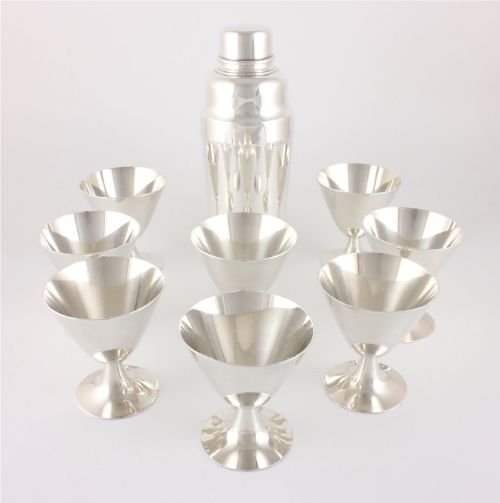
Decorative plates and shallow bowls form the majority of the glass selections, alongside specialised barware and serveware in plated metal. Each item reflects the design priorities of French studios working within the modernist tradition.
Materials and construction
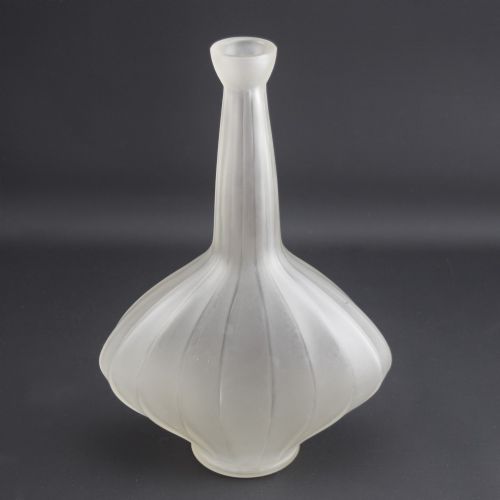
Makers utilised glass and silver plate as primary mediums, often combining clear glass with frosted surfaces or sepia stain to accentuate relief patterns. Moulded glass techniques allowed workshops to produce complex decorative plates with consistent depth and texture.
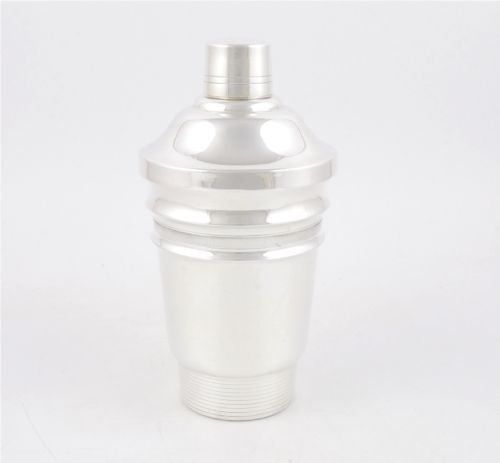
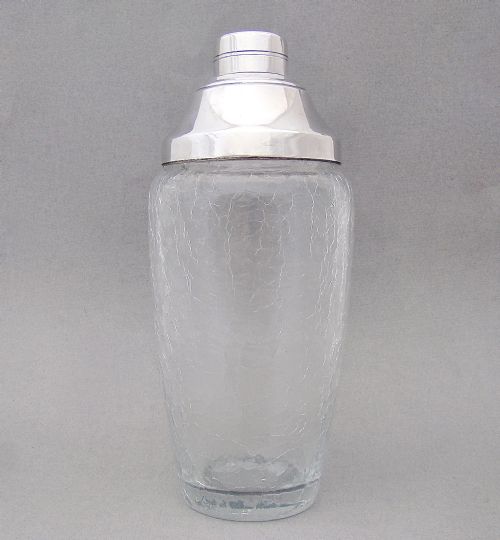
Metal items rely on silver plating over a base metal, frequently shaped into smooth geometric contours or decorated with engine turned patterns. Glass production involved press moulding, where molten material enters a metal form to create defined borders and central motifs.
French Art Deco Plate Retail Price Guide 2026
Typical asking prices for french art deco plate among the pieces listed under this phrase on Sellingantiques today, from the lower quarter to the upper quarter. They describe what is for sale here now, not the wider market.
Listings feature opalescent glass, frosted glass, and silver plate across tableware and barware forms.
Assessing the standard
Quality rests in the crispness of the moulded relief on glass items and the uniformity of the plating on metal wares. Superior examples maintain clear surface detail without blurring in the recessed areas or uneven thickness in the glass walls.
Maker attribution and the complexity of the design execution distinguish standard production items from distinguished studio pieces. The weight of the metal and the depth of the opalescent or stained effects contribute significantly to the overall presence of the object.
Christofle·Rene Lalique·Brille
The French Art Deco Plate Glossary
- Opalescent Glass
- Glass containing minerals that create a milky, light diffusing quality with blue or amber highlights when illuminated.
- Silver Plate
- A thin layer of silver bonded to a base metal core, commonly used for French barware and serving dishes.
- Sepia Stain
- A dark pigment applied to glass recesses during manufacturing to enhance the contrast of moulded figures and patterns.
- Engine Turned
- A decorative mechanical engraving technique producing precise geometric patterns on metal surfaces such as cocktail shakers.
- Coupe Ouverte
- An open shallow bowl or wide plate form frequently utilised for table service and display during the period.
French Art Deco Plate: Frequently Asked Questions
What defines the French art deco style?
This style combines geometric symmetry, stylised natural motifs, and industrial materials like silver plate and moulded glass. It represents a shift away from ornate floral decoration toward streamlined elegance.
Objects from this movement emphasise functional form combined with decorative surface treatment. The aesthetic values clean lines, balanced proportions, and contrasting textures.
Can these metal trays be used daily?
Silver plated trays and barware suit regular use provided they receive careful handling and prompt drying after contact with liquids. Acidic liquids like citrus juice should not sit on plated surfaces for extended periods.
Gentle maintenance preserves the underlying metal and the finish of the silver layer. Regular use adds to the historical character of functional serveware.
How do I identify the production period?
Dating relies on maker marks stamped into metal bases, stylistic markers, and the specific manufacturing techniques recorded for each piece. Pieces from the nineteen twenties and thirties often feature bolder relief work and distinct modernist geometries.
Later items from the nineteen forties and fifties tend toward heavier utilitarian construction and simpler silhouettes. Comparing the signature style against known factory timelines confirms the decade of origin.