







French Art Deco Etching
These French art deco etching works capture the modernist spirit of interwar Europe through precise line and evocative subject matter.
French Art Deco Etching
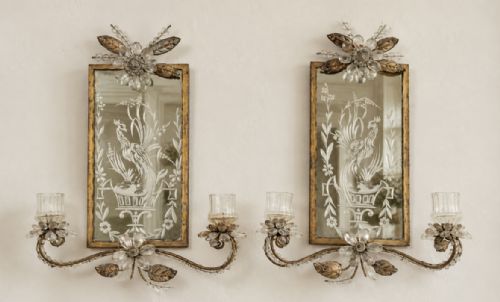
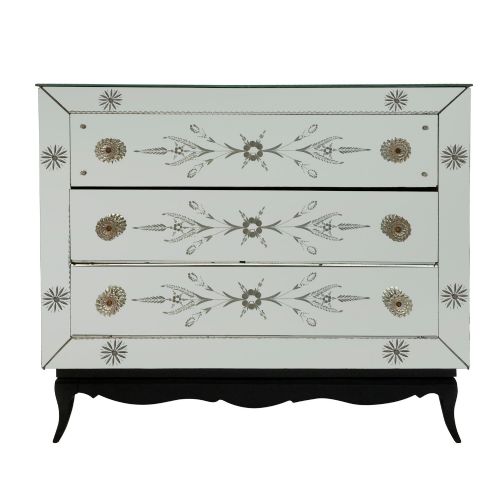
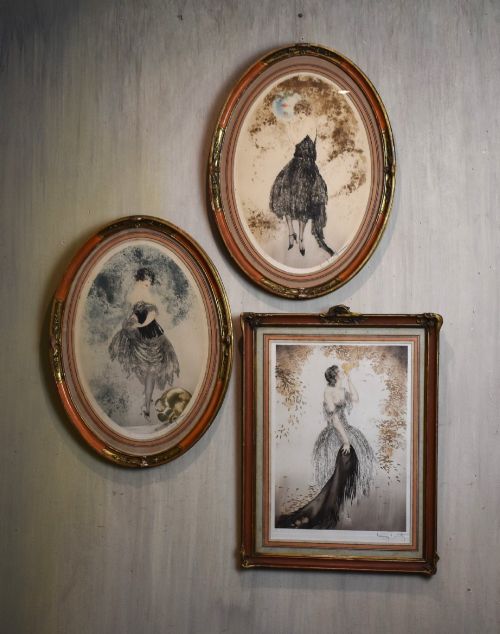
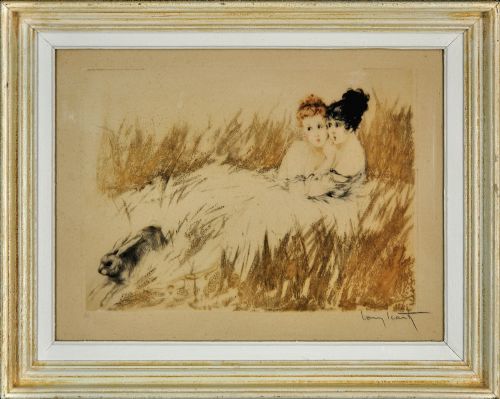
When you search for french art deco etching, you encounter framed works on paper alongside decorative glass and mirrored furniture sharing the same period aesthetic. The prints and etchings range from hand-coloured portraits to drypoint and aquatint compositions.
Louis Icart appears frequently among the works on paper, often depicting female subjects with distinct linear precision. Other examples include lithographs and engravings by artists working within the same stylistic movement.
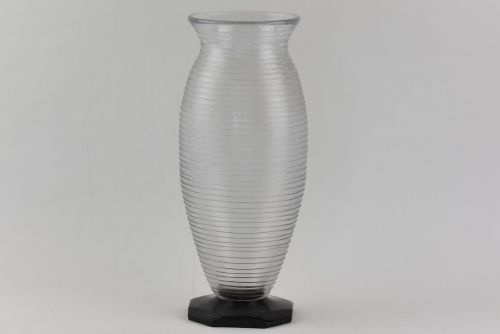
The objects span the 1920s and 1930s, capturing the geometric and figurative vocabulary associated with the period. Alongside flat art, the term also encompasses decorative glass objects featuring surface etching.
Assessing quality
Quality rests on the crispness of the impression on paper and the depth of the treatment on glass surfaces. Stronger examples display clear signature work and confident linework from the artist or maker.
The complexity of the composition and the condition of the underlying paper or glass substrate determine the standing of each piece. Intricate multi-plate printing and delicate hand-colouring distinguish finer prints.
French Art Deco Etching Retail Price Guide 2026
Typical asking prices for french art deco etching among the pieces listed under this phrase on Sellingantiques today, from the lower quarter to the upper quarter. They describe what is for sale here now, not the wider market.
Dogs and stylish women populate the interwar prints, observing Paris with unmistakable feline detachment.
Louis Icart·Rene Lalique·Daum·Jean Luce·Schneider·Jean Hardy·Albert Terry·Felix
The French Art Deco Etching Glossary
- Drypoint
- A printmaking method where an artist scratches an image directly onto a metal plate with a sharp needle. This technique creates a characteristic soft, velvety burr along the lines.
- Aquatint
- An intaglio printmaking technique that produces tonal areas resembling watercolour washes. It involves acid biting through a porous ground dusted onto the metal plate.
- Lithograph
- A planographic printing process based on the mutual antipathy of oil and water. The image is applied to a stone or metal plate and transferred to paper.
- Cameo glass
- A vessel technique involving multiple layers of coloured glass carved or acid-etched away to reveal a contrasting design. This method produces relief imagery across the surface.
- Frosted glass
- Glass treated to scatter light and create a translucent appearance. The effect is typically achieved through acid etching or sandblasting.
French Art Deco Etching: Frequently Asked Questions
What is a drypoint etching?
A drypoint etching is a print made by scratching directly into a metal plate without using acid. The process leaves a raised ridge of metal that holds ink and gives the printed lines a soft texture.
This technique differs from standard line etching where acid bites the grooves into the plate. Artists often combine drypoint with other print methods like aquatint.
How do I care for antique prints?
Antique prints on paper require protection from direct sunlight to prevent fading of the ink and discolouration of the paper substrate. Acid-free framing materials help preserve the condition over time.
Keep them in stable indoor environments away from excessive moisture and heat fluctuations. Proper framing also prevents the paper from touching the glass directly.
What defines the art deco style?
Art deco is characterised by streamlined forms, geometric patterns, and stylised representations of human and animal figures. The movement emerged in France before the First World War and flourished through the 1920s and 1930s.
It influenced printmaking, glass production, furniture design, and architecture alike. The aesthetic embraces both modern industrial materials and luxurious craftsmanship.
Are these works signed by the artist?
Many prints from this period feature pencil signatures from the artist in the margin below the image. Limited editions may also include numbering alongside the signature.
Some glass objects carry acid-etched or moulded signatures identifying the maker or atelier. Unsigned pieces rely on stylistic attribution and period documentation.