


French Art Deco Ceramic
These french art deco ceramic pieces are sculptural vases, figural lamps and powder boxes shaped by the 1920 and 1930 aesthetics that collectors prize for their bold geometry and modelled forms.
French Art Deco Ceramic
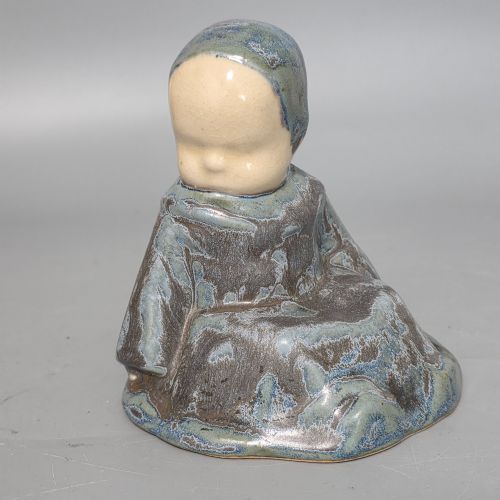
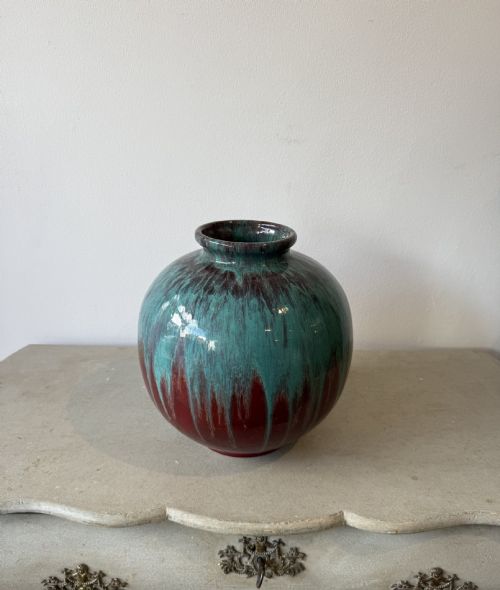
When you search for french art deco ceramic, you encounter moulded earthenware, stoneware and porcelain objects originating from the interwar decades. The selection centres on decorative figures of animals and humans, utilitarian powder boxes, table lamps and vases.
Vases and figural sculptures dominate the forms available. Animal subjects such as cats, pheasants, elephants and greyhounds appear alongside human busts, flapper figures and children modelled in terracotta or glazed ceramic.
Functional items merge with decorative art through pieces like powder boxes, bonbonniere bowls, cigarette strikers and veilleuses lamps. These objects reflect the applied arts movement in France during the nineteen twenties and nineteen thirties.
How they were made
Makers utilised ceramic, earthenware, porcelain, stoneware and terracotta as primary bodies for casting and shaping. Glazes applied to the surfaces provide either glossy finishes or the distinct craquelé texture seen on figurative works.
Hand painting frequently adds colour and detail to faience and porcelain bodies, while other pieces rely on the tactile quality of fired gres or unpainted terracotta. Glass eyes or applied elements sometimes complement the ceramic bodies in sculptural animals.
The inventory includes earthenware, porcelain, stoneware and terracotta forms spanning the years nineteen twenty to nineteen thirty.
What varies in quality
Quality rests upon the strength of the original model and the precision of the casting. Pieces designed by named sculptors or produced in recognised potteries exhibit sharper definition in facial expressions and animal forms than anonymous utilitarian wares.
The application of glaze and hand-painted decoration distinguishes standard production from superior examples. Rich colour depth, controlled crackle effects and careful finishing elevate the visual impact of the ceramic.
Berthe Savigny·Robert T Lallement·Gilbert Privat·Argilor·Le Manceau·Mougin·Limoges·Charles Lemanceau
The French Art Deco Ceramic Glossary
- Craquelé
- A network of fine cracks intentionally created in the glaze of a ceramic piece. This technique was popular in French studio pottery and figural sculptures of the period.
- Veilleuses
- Small night lamps or ceramic oil burners designed to diffuse a gentle light. They often take figural or architectural forms.
- Gres
- French term for stoneware, a dense and impermeable ceramic fired at high temperatures. It allows for crisp moulding and robust decorative vessels.
- Faience
- Earthenware decorated with opaque coloured glazes. It provides a bright surface for hand-painted patterns and figurative scenes.
- Bonbonniere
- A decorative container or small box intended for holding sweets or confectionary. These are frequently formed with fitted ceramic lids.
French Art Deco Ceramic: Frequently Asked Questions
How do I identify a french art deco ceramic piece?
Look for stylised animal or human forms, geometric motifs and characteristic glazes associated with the nineteen twenties and nineteen thirties.
Signatures, impressed studio marks and specific potteries such as Limoges or Quimper often confirm the origin.
What were powder boxes used for?
Powder boxes served as vanity table containers for loose cosmetic face powder during the interwar period. They typically feature a deep bowl and a matching decorative lid.
Many incorporate ceramic half dolls or figural handles as part of their sculptural design.
Are figural lamps functional?
Figural lamps and veilleuses combined domestic lighting with sculptural ornament. They held small bulbs or burner units to cast light through the ceramic or glass elements.
Wiring on older pieces often requires updating for modern electrical safety standards.
What is gres pottery?
Gres is the French designation for stoneware, fired at high heat to create a vitreous and durable body. It supports heavy glazes and large jardinières.
This material resists moisture and wear, making it suitable for both indoor vessels and garden ornaments.