




French Armoire Closet
These french armoire closet pieces offer generous storage and grand presence, bringing timeless utility and continental character to any bedroom.
French Armoire Closet
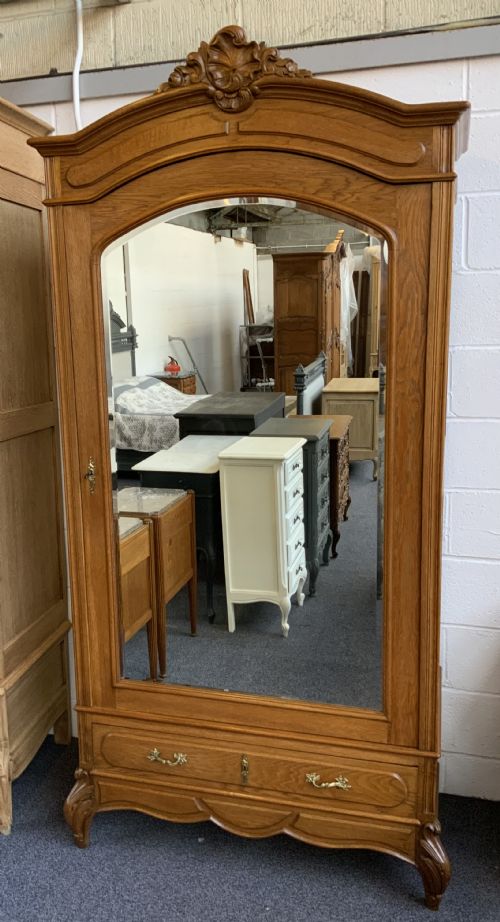
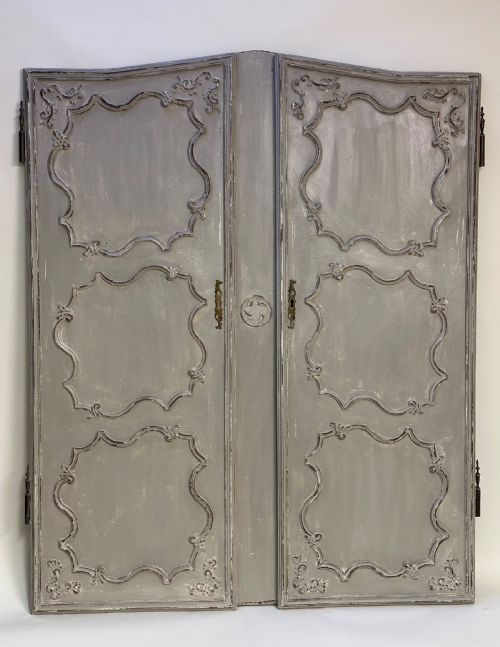
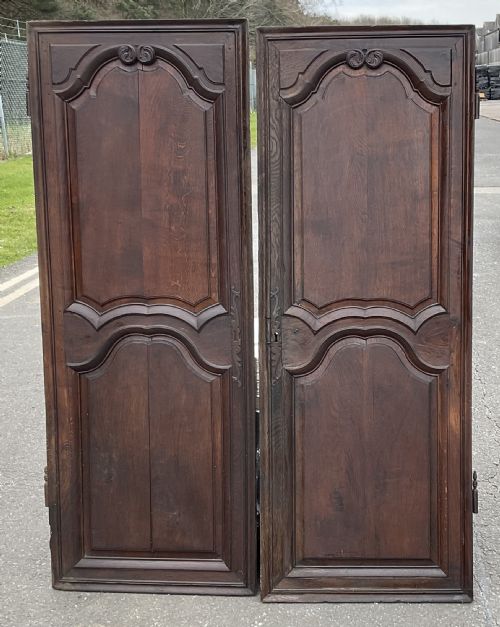
A french armoire closet is a large storage piece designed for garments and linens, featuring prominent doors and sturdy timber construction. These items range from freestanding wardrobes to architectural doors salvaged from larger cabinets.
The versions most commonly met on this page span the eighteenth, nineteenth, and early twentieth centuries. They emerge in regional provincial styles as well as refined Louis XVI and striking Art Deco designs.
Makers and artisans constructed these pieces using varied timbers including oak, mahogany, and walnut. Some examples incorporate decorative elements such as brass detailing and glass panels alongside traditional carved woodwork.
Materials and construction
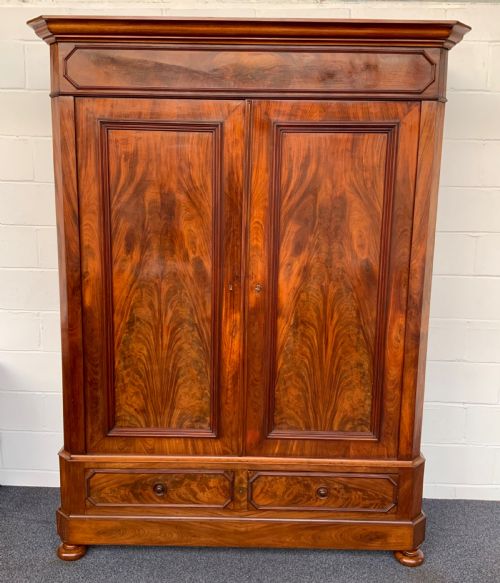
Cabinet makers utilised solid timbers like oak and mahogany, often applying walnut or flame mahogany veneers for rich surface figuring. Structural integrity relied on traditional joinery, heavy iron hardware, and occasionally satinwood accents.
Carving was executed by hand directly into the wood, creating floral or geometric reliefs on panels and cornices. Metal mounts in brass were fitted to doors and locks to complement the polished timber surfaces.
French Armoire Closet Retail Price Guide 2026
Typical asking prices for french armoire closet among the pieces listed under this phrase on Sellingantiques today, from the lower quarter to the upper quarter. They describe what is for sale here now, not the wider market.
Listings feature oak, mahogany, walnut, and satinwood across periods spanning the eighteenth century through nineteen twenty.
Assessing quality in these pieces
Quality rests in the depth of the hand carving and the selection of timber veneers. Superior examples display carefully matched grain patterns across large doors and crisp, deep relief work in the woodwork.
The integration of original brass hardware and the precision of the joinery elevate a piece. Finer armoires balance imposing scale with harmonious proportions and clean execution of period style details.
The French Armoire Closet Glossary
- Armoire
- A tall wardrobe or cupboard used primarily for storing clothes. These cabinets typically feature one or two large doors enclosing hanging space or shelves.
- Veneer
- A thin layer of finely figured wood applied to a secondary timber base. This technique allows cabinet makers to display dramatic grain patterns like flame mahogany.
- Louis XVI
- A neoclassical design style characterised by straight lines, symmetry, and classical restraint. Pieces in this style often feature restrained geometric carving and refined proportions.
- Art Deco
- A modernist style from the early twentieth century featuring sleek geometric forms and stylised motifs. Wardrobes from this era often showcase dramatic veneers and specialised signatures.
- Provincial
- A regional style originating from outside capital cities, marked by sturdy construction and simpler ornamentation. These items emphasise practical utility combined with local crafting traditions.
French Armoire Closet: Frequently Asked Questions
What is a french armoire closet used for?
These large cabinets primarily serve as freestanding wardrobes for hanging garments, folding linens, and storing personal items. Their deep internal space makes them practical alternatives to modern fitted closets.
Beyond bedroom storage, many people utilise them in hallways or living areas to store books, tableware, or general household goods while adding architectural interest to the room.
How do I date a french armoire?
Dating involves examining the primary timber, construction methods, and stylistic ornamentation. Pieces featuring heavy hand-carved oak often point to provincial traditions from the nineteenth or early twentieth century.
Art Deco examples display distinct geometric styling from around nineteen twenty, while eighteenth-century elements appear in salvaged components like heavy walnut doors.
Are these armoires easy to assemble?
Many traditional european wardrobes were constructed to be dismantled for transport and moving between rooms. This modular design often allows the cornice, sides, and base to separate from the heavy doors and back panels.
Careful reassembly requires attention to alignment so that the large doors hang correctly and close flush against the frame.
What woods were used in these?
Makers predominantly employed solid oak and mahogany for structural strength and durability. Walnut and flame mahogany veneers were frequently applied to door panels to create striking visual patterns.
Secondary woods and occasional satinwood details also appear, reflecting the specific period and regional workshop where the cabinet was built.