



French Aesthetic Movement
These french aesthetic movement pieces bring a disciplined taste for exoticism and simulated natural forms straight into nineteenth-century domestic interiors.
French Aesthetic Movement
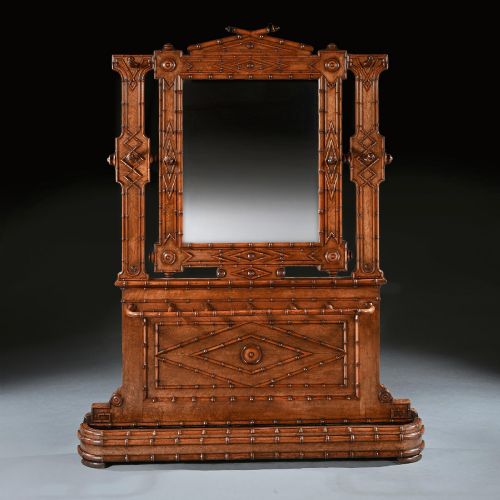
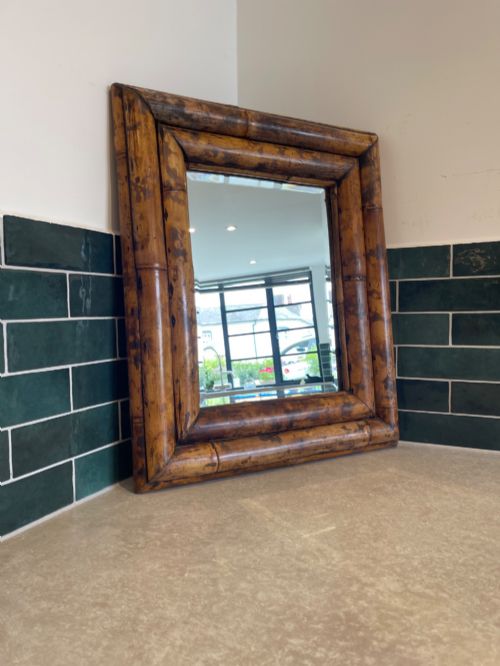
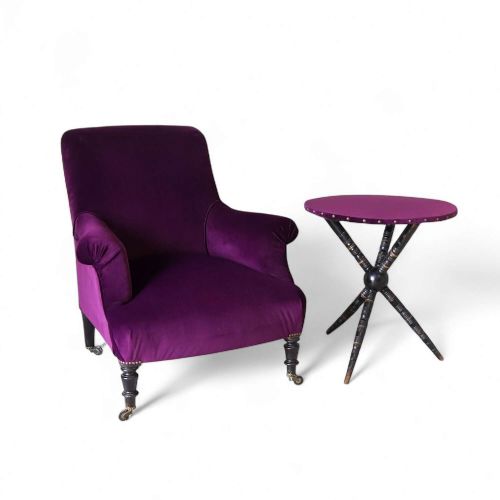
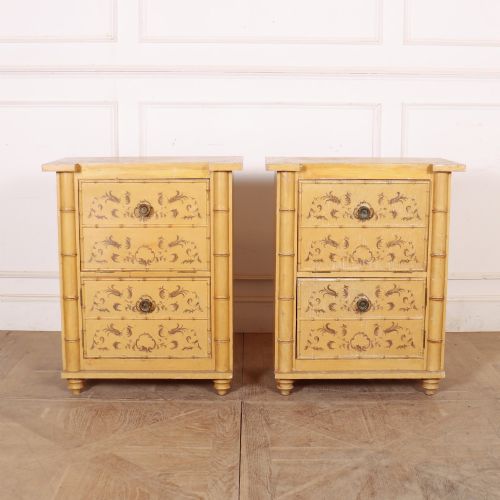
When you search for french aesthetic movement, you encounter furnishings and decorative objects spanning the latter half of the nineteenth century through to the early decades of the twentieth. The core of this inventory is formed by bedroom furniture, hall stands, and occasional tables that adopt lightweight, exotic forms.
The aesthetic vocabulary stretches from strict Japonisme to Chinoiserie and Iznik Revival influences, often intersecting with Napoleon III and Victorian styles. While larger case pieces anchor the room, smaller decorative metalwork and ceramic items appear frequently enough to punctuate the category.
Materials and Construction
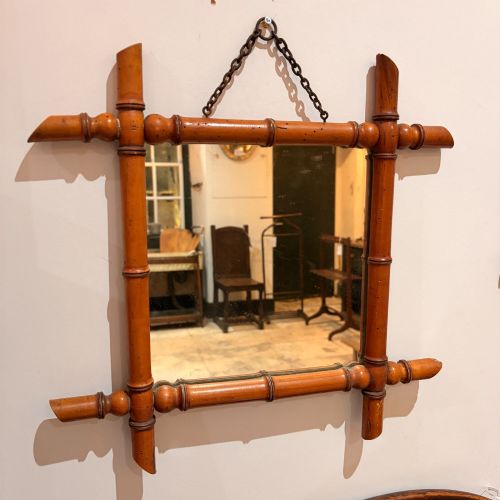
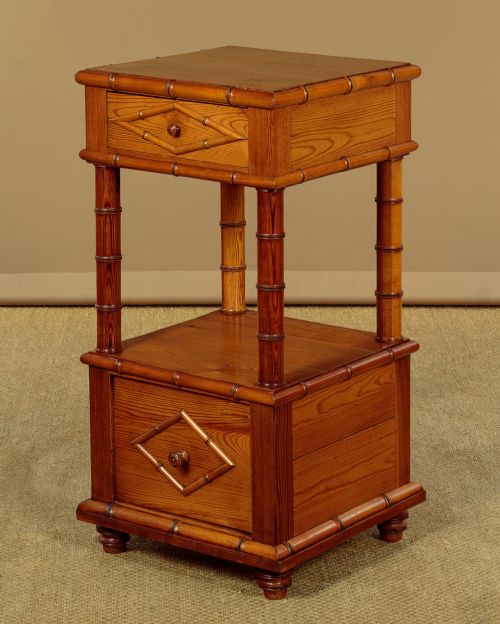
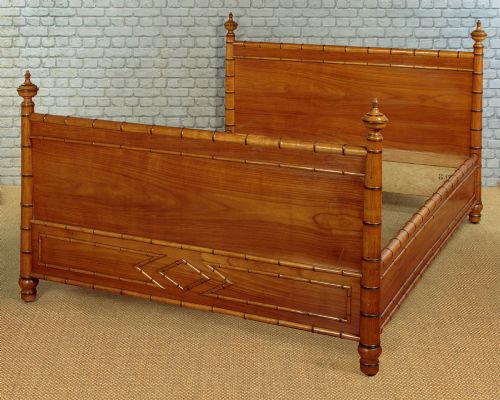
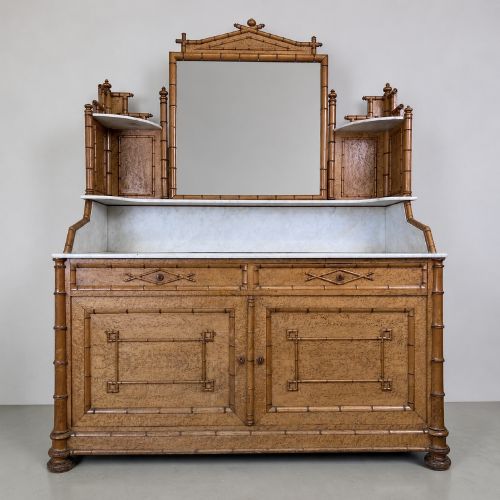
Makers relied heavily on pine, timber, and painted wood to construct the rigid carcasses of cabinets and bedsteads, frequently transforming ordinary woods through clever surface manipulation. The prominent use of faux bamboo required skilled turning and shaping of timber to mimic natural cane joints with precision.
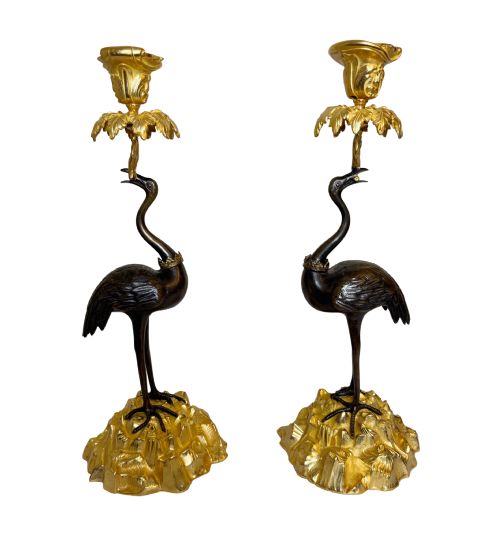
Gilt bronze, silvered bronze, and brass provide structural and decorative accents in clocks, desk thermometers, and candlesticks. Delicate surfaces incorporate birdseye maple veneers, majolica glazes, porcelain, glass, and pewter frames to achieve the eclectic textural contrast characteristic of the movement.
French Aesthetic Movement Retail Price Guide 2026
Typical asking prices for french aesthetic movement among the pieces listed under this phrase on Sellingantiques today, from the lower quarter to the upper quarter. They describe what is for sale here now, not the wider market.
Listings feature bedside tables, washstands, and chests of drawers alongside clocks, umbrella stands, and ceramic plates.
Distinguishing Quality
The upper tier of these pieces reveals itself in the fidelity of the simulated bamboo turning and the crispness of the applied Japonic motifs. Faux bamboo work requires genuine joinery skill; lesser examples rely on crude surface scoring rather than properly shaped timber.
Material selection dictates the grade of the piece, moving from standard pine carcasses to meticulously chosen birdseye maple veneers and heavy cast bronze mounts. Superior items maintain integrity in their secondary woods and retain original decorative elements such as mercury gilding or hand-painted ceramic plaques.
Théodore Deck·Gabriel Viardot·Achille Brocot·Joseph Ettlinger
The French Aesthetic Movement Glossary
- Faux bamboo
- Timber shaped, turned, and painted to imitate natural bamboo cane. This technique was widely utilised in nineteenth-century furniture production to evoke an exotic, lightweight aesthetic.
- Japonisme
- The influence of Japanese art and design on Western decorative arts. It manifests through asymmetrical compositions, natural motifs like birds and flora, and simplified forms.
- Iznik Revival
- The nineteenth-century European reinterpretation of sixteenth-century Ottoman Turkish ceramics. These pieces replicate the distinctive floral patterns and rich blue, turquoise, and red palette of original Iznik wares.
- Napoleon III style
- An eclectic nineteenth-century French design movement characterised by revivals of past historical styles combined with lavish ornamentation and exotic materials. It frequently overlaps with early aesthetic movement interiors.
- Majolica
- Low-fired earthenware coated with an opaque white tin glaze and painted with metallic oxide colours. The technique produced brightly coloured plates and decorative vessels popular during the period.
French Aesthetic Movement: Frequently Asked Questions
What is french aesthetic movement furniture?
This furniture combines nineteenth-century European forms with imported design philosophies, particularly Japanese and Chinese motifs. Pieces typically feature lighter proportions, simulated bamboo framing, and decorative surface painting.
You will frequently encounter items made for the bedroom and hallway, such as washstands, bedside cabinets, and umbrella stands, which bring a distinct decorative character to a room.
How do I identify faux bamboo furniture?
Faux bamboo is created by turning and carving solid timber to replicate the characteristic nodes and segments of natural bamboo cane. Makers often paint or lacquer the wood to complete the illusion.
Close inspection of the joints and turned sections reveals whether the bamboo effect is carved into the timber or merely painted onto a flat surface.
Where were these pieces used originally?
These items belonged in fashionable nineteenth-century townhouses and country residences where owners sought to display a cosmopolitan taste. Hall stands, jardinières, and occasional tables furnished entranceways and reception rooms.
Bedside cabinets and dressing washstands served private chambers, offering practical utility combined with the exotic styling favoured by the movement.
How do I care for bamboo and wood pieces?
Maintain these surfaces by dusting gently with a dry, soft cloth to prevent particulate accumulation. Avoid placing them near direct heat sources or in environments with fluctuating humidity to protect the timber and veneers.
Treat painted and gilt elements with particular care, using no harsh chemical cleaners that might compromise the nineteenth-century finishes.