



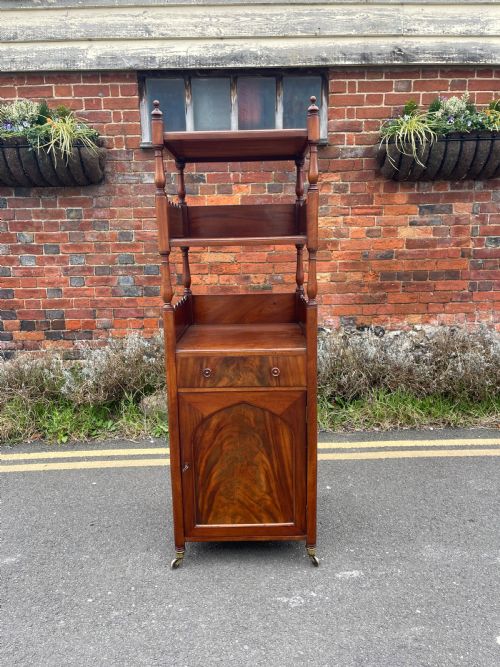


Freestanding Storage Shelves
Freestanding storage shelves bring adaptable timber and metal organisation to a room, ranging from revolving bookcases to utility racks without fixing to the wall.
Freestanding Storage Shelves
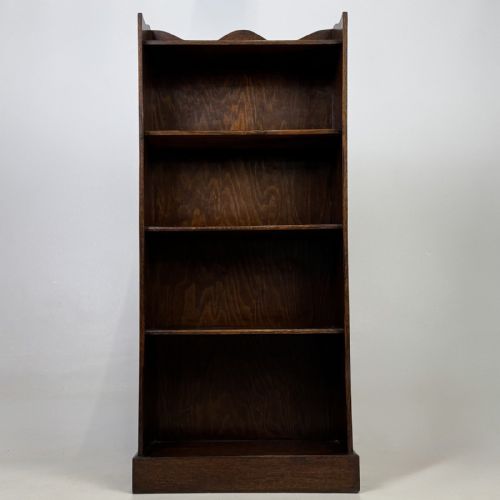
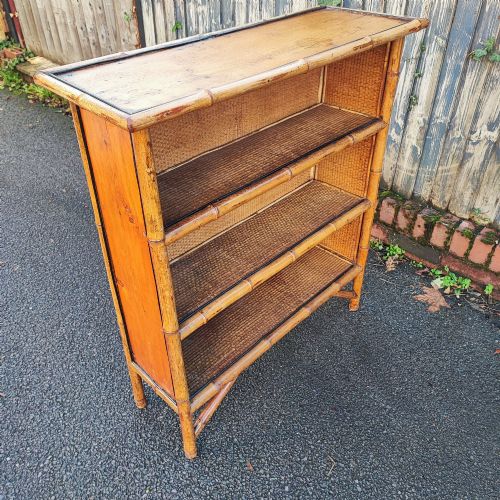
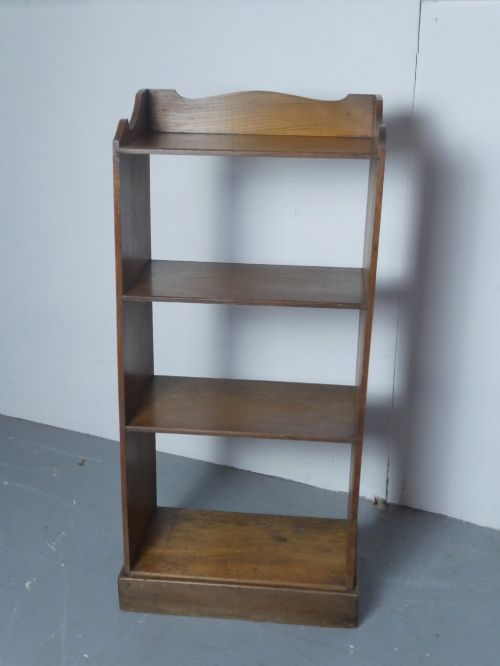
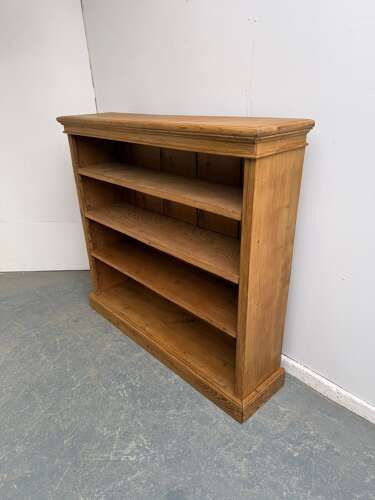
When you search for freestanding storage shelves, you encounter an array of open bookcases, cupboards, and utility racks spanning the Victorian, Edwardian, and early twentieth-century periods. These pieces serve practical organizational needs while introducing period character into domestic spaces through varied forms such as revolving bookcases, whatnot units, and open library shelves.
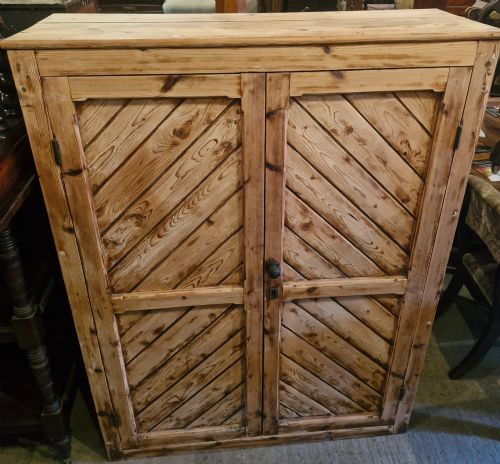
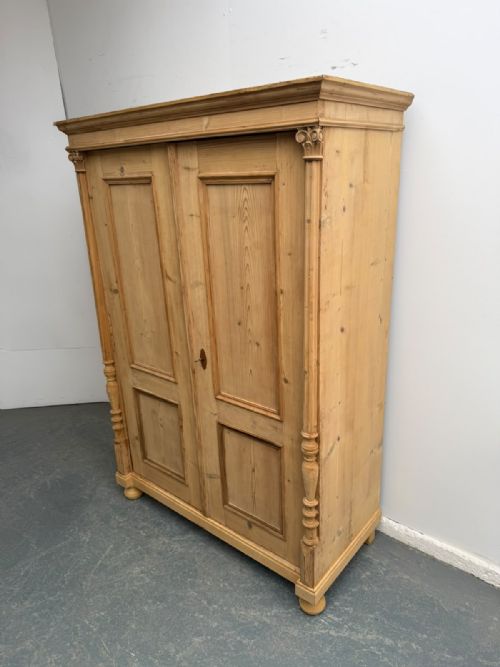
On this page, the selection leans heavily toward timber constructions from the nineteenth century onward, alongside industrial metal pieces. You find straightforward pine bookshelves, polished mahogany display units, and sturdy oak bookcases sitting alongside specialised items like shoe racks and bakery pieces.
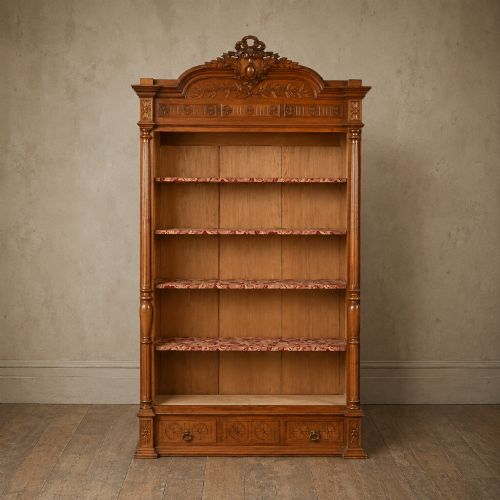
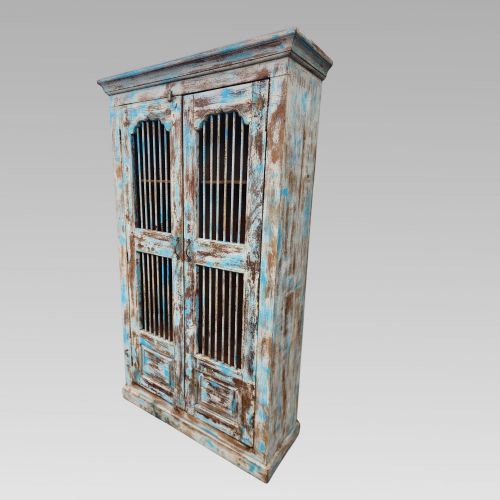
The variety encompasses distinct regional and stylistic origins, from English country oak to continental carved solid wood and rustic Indian painted storage cupboards. Such breadth allows a buyer to select an item tailored strictly to a room's scale, whether requiring a slim corner cabinet or a substantial breakfront bookcase.
How they were made
Makers utilised solid timbers such as mahogany, oak, pine, and walnut, often selecting pine for utilitarian storage cupboards and shoe racks while reserving mahogany and walnut for refined Edwardian and Victorian bookcases. Construction frequently involved solid wood planks, visible joints, and substantial backboards to ensure structural stability without wall fixings.
Freestanding Storage Shelves Retail Price Guide 2026
Typical asking prices for freestanding storage shelves among the pieces listed under this phrase on Sellingantiques today, from the lower quarter to the upper quarter. They describe what is for sale here now, not the wider market.
French field kitchen dressers double as remarkably sturdy boot storage once retired from military catering.
What varies in quality
The caliber of a piece rests largely on the selection of timber and the integrity of its joinery, where finely figured mahogany or quarter-sawn oak denotes a higher tier of production than standard utility pine. Superior execution shows in smooth operation of adjustable shelves, revolving mechanisms, and cupboard doors that hang true without sag.
Surface finish significantly dictates distinction, separating factory-distressed items from period waxed, polished, or painted surfaces that have acquired genuine patination through decades of use. Carved detailing, such as the scroll-work on iron bakery racks or cabinet mouldings, reflects the artisan's investment of time and skill.
The Freestanding Storage Shelves Glossary
- Whatnot
- A multi-tiered open set of shelves designed for displaying small objects or books. These pieces typically feature slender upright supports and occasionally incorporate a small cupboard base.
- Breakfront
- A cabinet or bookcase design where the central section projects forward from the flanking wings. This architectural arrangement adds visual depth and presence to larger library furniture.
- Revolving bookcase
- A compact bookcase mounted on a hidden rotating pivot, allowing access to books from all sides while standing freely on the floor. These are particularly common in Edwardian mahogany formats.
- Bakery rack
- An industrial utility rack constructed from iron or metal mesh, originally designed for cooling baked goods. They provide open, robust shelving suited to modern kitchens and pantries.
- Open back bookcase
- A bookshelf lacking a rear panel, allowing light to pass through and exposing the wall behind. This design lightens the visual weight of heavy oak or pine structures in a room.
Freestanding Storage Shelves: Frequently Asked Questions
How do I choose the right size freestanding shelf?
Measure your available floor space and ceiling height carefully before selecting a unit, keeping in mind that pieces like revolving bookcases require clearance on all sides to function.
Consider the depth of the shelves in relation to the items you plan to store, ensuring large books or storage boxes fit comfortably without overhang.
Can these shelves support heavy books?
Solid wood constructions in oak, mahogany, and heavy pine generally offer substantial weight capacity for dense rows of hardcover books.
Examine the thickness of the individual shelves and the support brackets or adjustable tracks to gauge their structural limits before loading them fully.
How do I care for antique timber shelving?
Maintain waxed or polished surfaces by applying appropriate beeswax or furniture polish sparingly, buffing gently with a soft cloth to preserve the natural grain.
Keep wooden shelving away from direct sunlight and strong heat sources to prevent the timber from drying out, warping, or cracking over time.
Are iron and metal racks prone to rust?
Iron and distressed metal items used in industrial or kitchen settings can develop surface oxidation if exposed to persistent moisture in damp environments.
Protect the metal by keeping it in dry rooms and occasionally applying a light protective wax or oil if the finish appears dry or unprotected.