


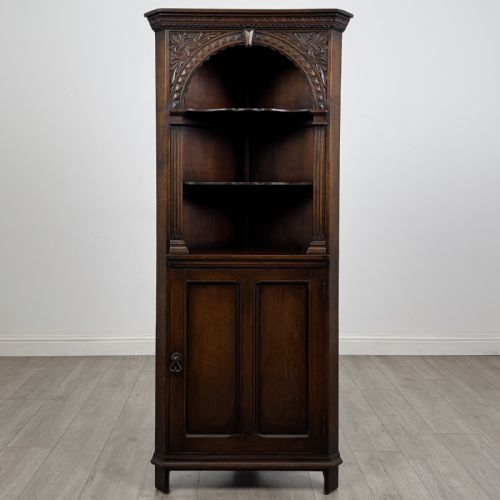

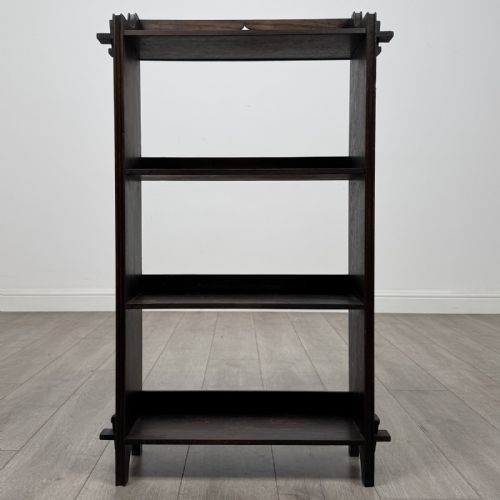
Freestanding Bookcase
A freestanding bookcase holds volumes in the middle of a room or against a wall without requiring architectural fitting.
Freestanding Bookcase
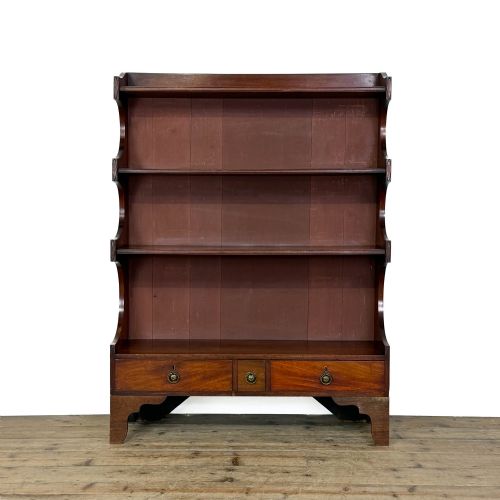
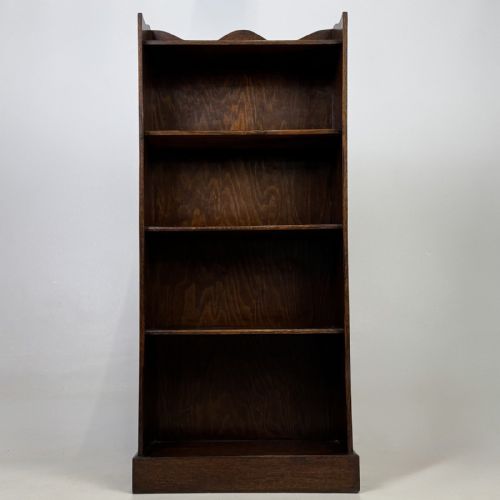
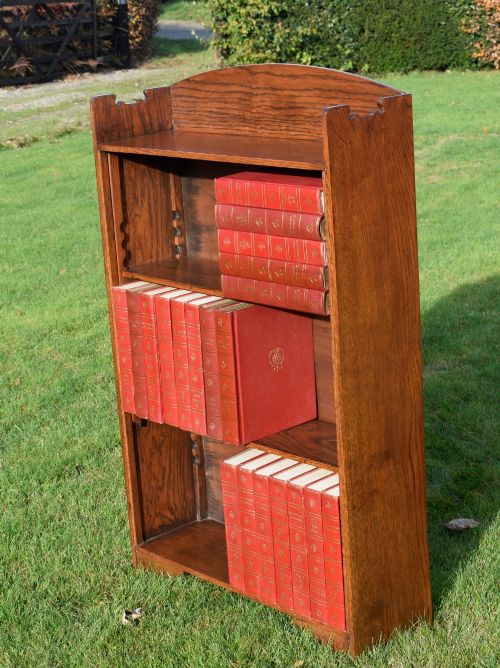
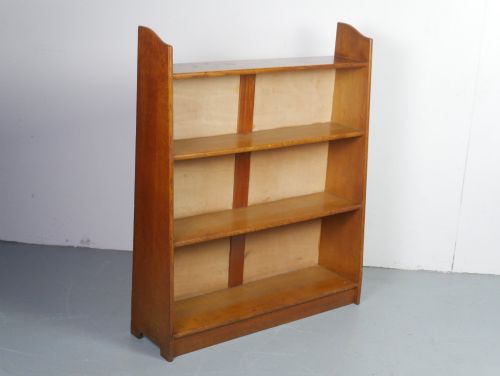
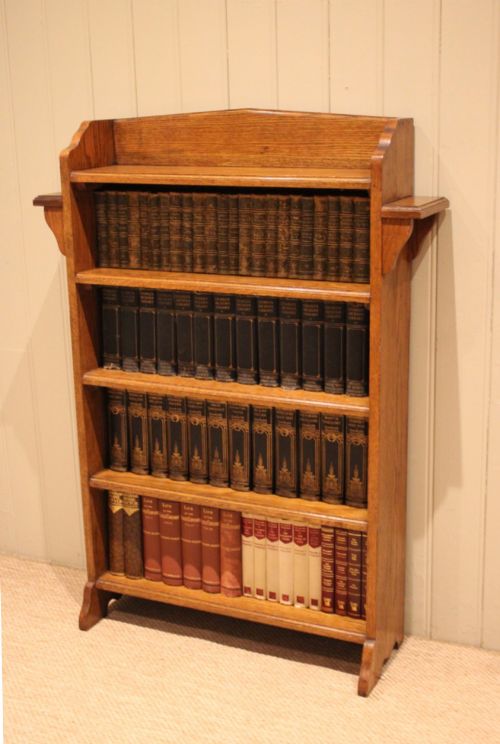
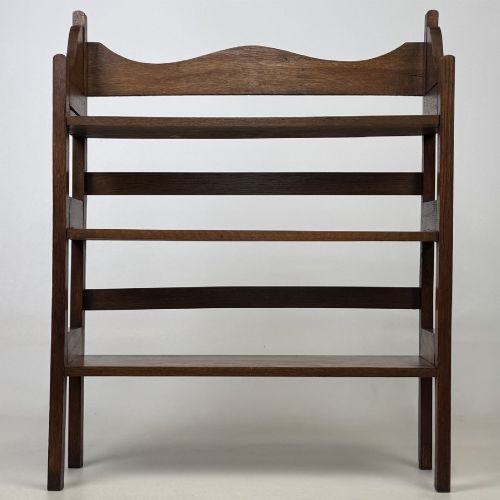
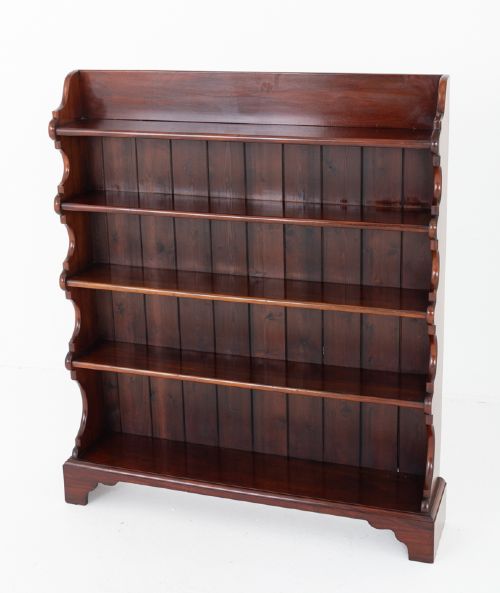
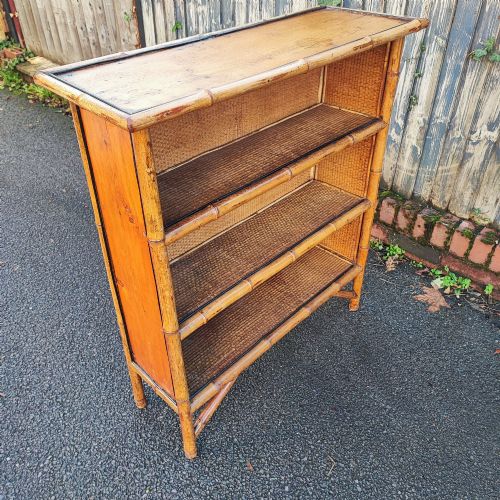
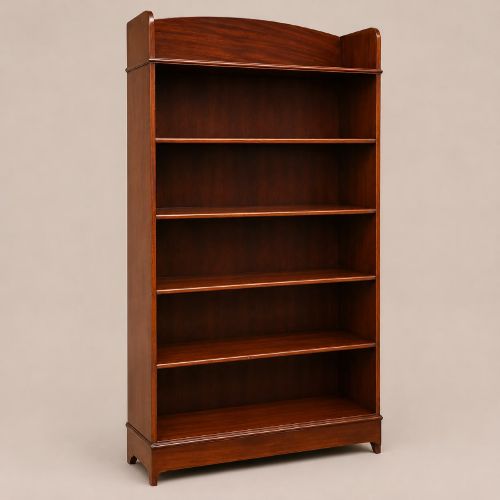
A freestanding bookcase provides accessible shelving that stands independently in a room. When you examine a freestanding bookcase on this page, you encounter pieces spanning the Victorian, Edwardian, Regency, and early twentieth-century periods.
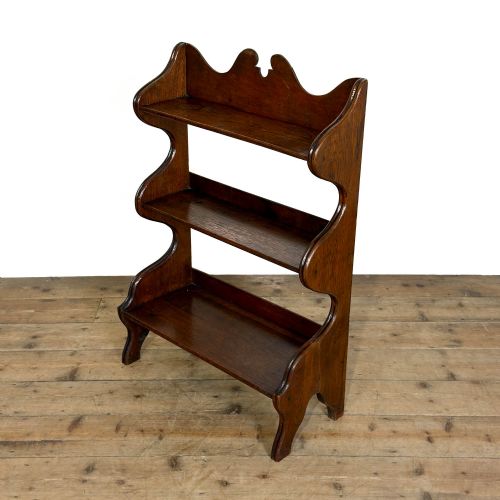
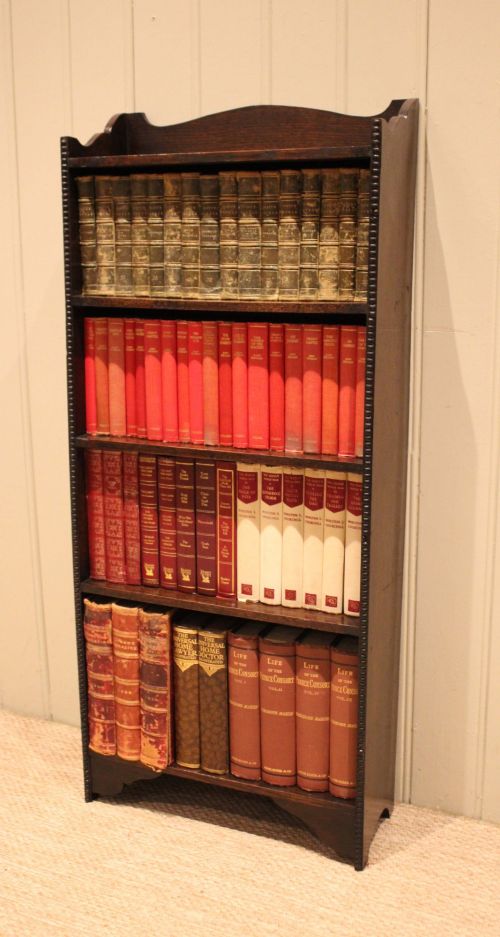
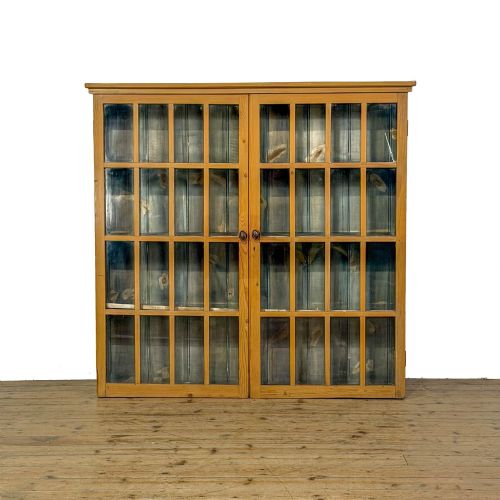
The selection includes open shelving units, glazed display cabinets, revolving bookcases, and multi-tiered what-nots. Oak and mahogany dominate the examples, supplemented by pine, walnut, and occasional iron or brass elements.
Origin variations range from English country workshops to continental libraries and Anglo-Indian output. Smaller formats with raised galleries or shaped sides appear alongside large continental library bookcases and kitchen dressers.
Materials and Construction
Cabinet makers utilised solid timbers like oak, mahogany, walnut, and pine for structural integrity and surface figure. Grain direction and timber selection determined how these woods responded to polishing and wax finishing.
Joinery methods involved traditional joints, beaded edges, and carved details such as slender pillars or decorative cut-outs. Glazed doors incorporate glass panes within wooden frames, whilst revolving mechanisms rely on internal iron and brass hardware.
Freestanding Bookcase Retail Price Guide 2026
Typical asking prices for freestanding bookcase among the pieces listed under this phrase on Sellingantiques today, from the lower quarter to the upper quarter. They describe what is for sale here now, not the wider market.
Listings feature oak, mahogany, pine, walnut, brass, glass, cast iron, and iron across Victorian, Edwardian, and Regency periods.
Standard and Execution
The distinction between tiers of quality rests upon timber selection and the precision of the joinery. Superior examples demonstrate thoughtful grain matching, crisp carving along edges, and sound structural joinery that maintains rigidity over decades.
Proportion and execution define the visual success of a piece, whether in the delicate turning of an Edwardian pillar or the solid construction of an open library bookcase. Secondary elements such as original brass fittings and intact glazing further distinguish better executions.
The Freestanding Bookcase Glossary
- What-Not
- A multi-tiered shelving unit designed for the display of books, ornaments, or small objects. These pieces typically feature slender vertical supports.
- Revolving Bookcase
- A low or medium cabinet mounted on a rotating pivot base. This design allows access to books from multiple angles in a confined space.
- Open Bookcase
- A shelving unit without doors enclosing the front. This format provides direct access to the volumes stored within.
- Padauk
- A dense tropical timber exhibiting a deep reddish-brown colour. It appears in nineteenth-century Anglo-Indian shelving units.
Freestanding Bookcase: Frequently Asked Questions
Where should I place a freestanding bookcase?
Position these units against interior walls to support heavy volumes, or place revolving versions near seating areas for easy access.
Ensure the placement avoids direct heat sources that might dry out older oak or mahogany timbers.
How do I identify an Edwardian bookcase?
Edwardian pieces often feature golden oak or mahogany with slender pillars, raised galleries, or carved edges. These items date from the early twentieth century.
Construction methods reflect industrial standardisation combined with traditional cabinet making techniques.
Can these shelves hold heavy books?
Solid wood construction in oak, mahogany, and pine provides substantial weight-bearing capacity for standard volumes.
Check the thickness of the shelves and the security of the internal supports before loading heavy folios.
What is the difference between glazed and open bookcases?
Glazed bookcases incorporate glass doors that protect contents from dust and light exposure. Open bookcases leave the shelving exposed for immediate retrieval of books.
Both styles were produced across the Victorian and Edwardian eras in various timber species.