






Frameless Glass Mirror
These frameless glass mirror examples combine geometric clarity and tinted tones, offering an elegant focal point for any period interior.
Frameless Glass Mirror
A frameless glass mirror embodies the clean geometry and streamlined aesthetic of the 1920 and 1930 periods. These pieces serve as functional wall adornments, overmantle centerpieces, and compact vanity items that reflect light effectively.
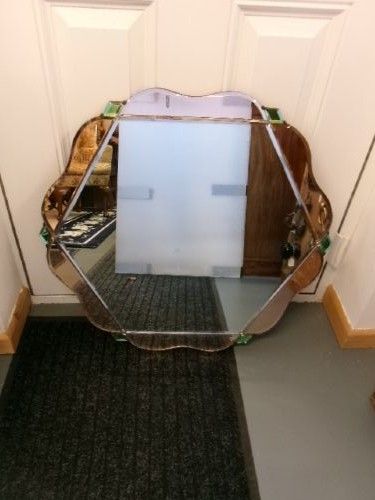
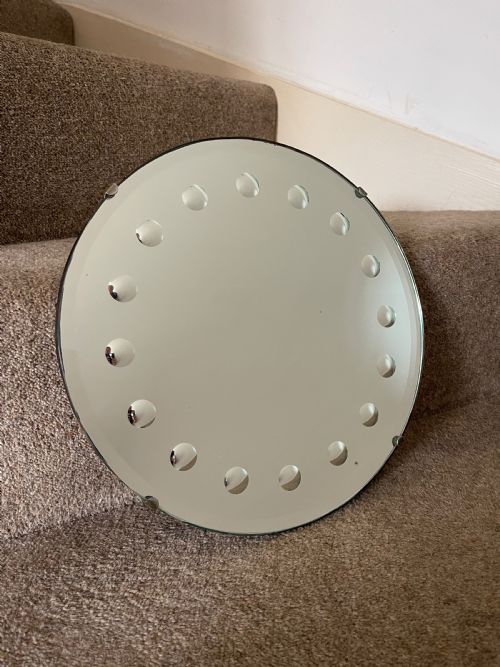
Buyers encounter variations ranging from large diamond configurations to circular wall mirrors and small octagonal display stands. The predominant style across these examples is Art Deco, often enhanced by unusual figurative details or multi-tone glass panels.
Materials and construction methods
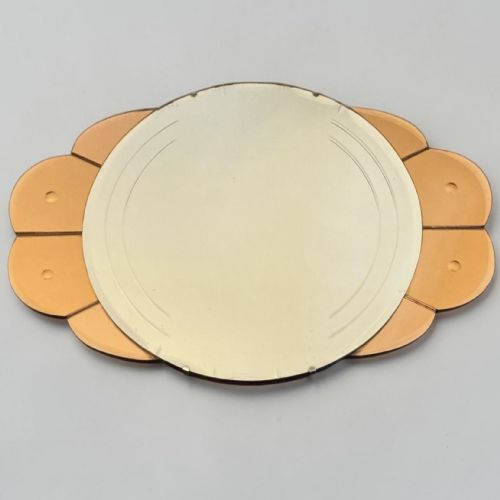
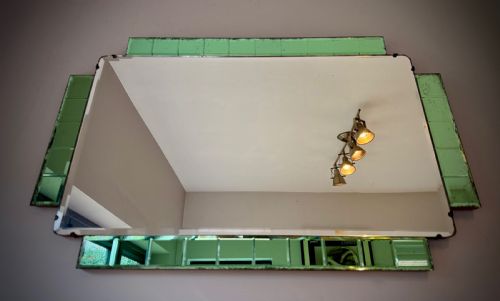
Construction relies primarily on thick mirror glass, sometimes utilising peach, emerald green, or tinted panels to create striking multi-tone contrasts. Artisans combined these glass sections with wooden supports and metal or chrome fixtures to secure the pieces safely.
Techniques involved precise beveling of edges and occasional embossed glass detailing. Easel mechanisms and mounting hardware were integrated to support both tabletop vanity items and heavy overmantle mirrors.
Frameless Glass Mirror Retail Price Guide 2026
Typical asking prices for frameless glass mirror among the pieces listed under this phrase on Sellingantiques today, from the lower quarter to the upper quarter. They describe what is for sale here now, not the wider market.
One exceptional piece includes a soldier figure standing guard within the deco design, proving that even mirrors enjoy a little military backup.
Assessing quality in execution
Quality rests upon the complexity of the glass assembly and the integration of contrasting colour panels. Multi-tone compositions and unusual shapes like diamond configurations or figural additions require higher skill than standard circular designs.
The preservation of the original tinted glass panels and the precision of the beveling distinguish finer examples. The structural integrity of the backing wood and metal fittings also influences the overall standard of the object.
The Frameless Glass Mirror Glossary
- Art Deco
- A design style spanning the 1920s and 1930s characterised by geometric shapes, stylised motifs, and sleek lines. It defined the visual culture of the interwar period.
- Overmantle Mirror
- A large mirror designed to hang directly above a fireplace mantelpiece. These pieces often anchor the decorative scheme of a reception room.
- Beveled Glass
- Glass with an angled edge cut and polished to a specific acute angle. This technique creates a prismatic border that catches and refracts light.
- Peach Glass
- A tinted variety of mirror glass exhibiting a warm, pinkish-orange hue. It gained popularity during the 1930s for creating softer interior reflections.
- Easel Vanity Mirror
- A portable looking glass supported by a rear hinged prop for tabletop use. They were commonly utilised on dressing tables during the interwar era.
Frameless Glass Mirror: Frequently Asked Questions
Where should I hang a frameless glass mirror?
These mirrors suit spaces where reflected light enhances the room, such as above a fireplace mantel or along a hallway wall. Their geometric forms complement period interiors and modern settings alike.
Ensure the wall structure can support the weight, particularly for larger multi-tone or overmantle examples that utilise substantial glass panels and wooden backings.
How do I identify a 1930s mirror?
Look for characteristic Art Deco traits such as circular, octagonal, or diamond silhouettes combined with tinted glass sections in peach or emerald green. The absence of a traditional wooden frame is also typical.
Hardware details like chrome fittings and easel backs further point to interwar manufacturing techniques from the 1920 and 1930 periods.
Are vanity mirrors stable on tables?
Easel vanity mirrors rely on an integrated rear prop to maintain an upright position on dressing tables. The hinges and support arms are designed to bear the weight of the glass safely.
Place them on flat, stable surfaces away from heavy traffic areas to prevent accidental tipping of the pivoting glass panel.
What is a sorcerer type mirror?
A sorcerer type mirror refers to a convex or specially formed looking glass that creates a wide-angled, distorted reflection of the room. These unusual decorative objects provide a distinct visual focal point.
Such pieces reflect the experimental use of glass shapes favored by designers during the early twentieth century.