


Framed Zoological Art
Framed zoological art brings historical animal studies onto the wall, offering detailed paper engravings and watercolours housed in wood and glass.
Framed Zoological Art
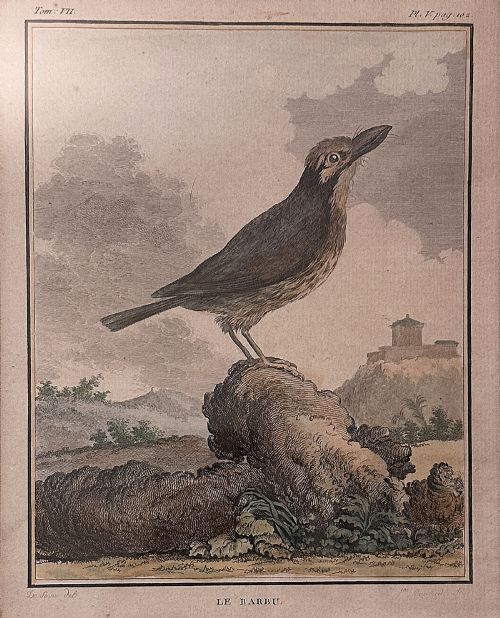
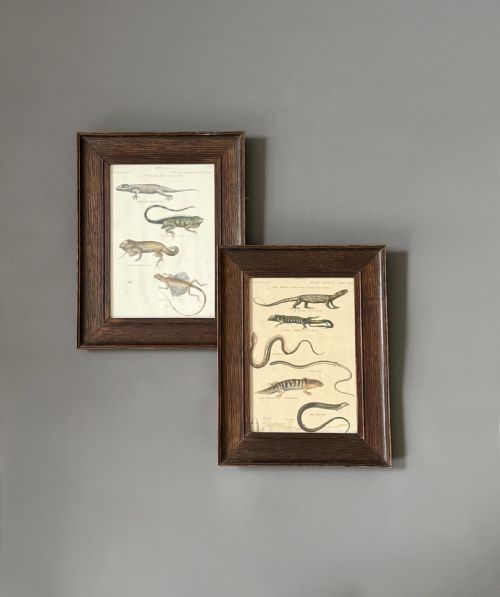
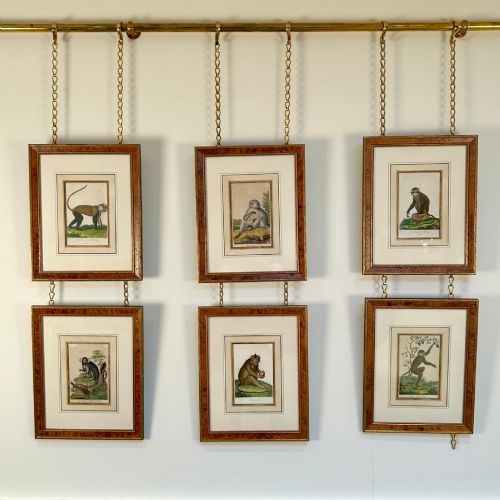
Framed zoological art encompasses historical prints, engravings and watercolours depicting creatures from reptiles and monkeys to hippopotami and birds. These works bridge natural history and interior decoration, capturing centuries of scientific observation.
The pieces on this page span the eighteenth and nineteenth centuries, alongside twentieth-century naturalism. Buyers regularly encounter hand-coloured engravings from the Georgian and Victorian periods, often presented in pairs or sets.
How they were made
These works rely on paper as a base for intricate engravings and watercolours, often enhanced by hand-applied colour. Artisans recorded anatomical details of animals, skeletons and birds with fine lines.
Framing utilises wood, burr wood and giltwood, frequently incorporating gold leaf accents and glass to protect the delicate paper works within. Brass fittings occasionally secure the older frames.
Listings feature paper works under glass, housed in wood, giltwood and burr wood frames across multiple centuries.
What varies in quality
Quality rests in the precision of the original engraving and the finesse of any hand-applied watercolour. Early impressions retain sharper lines and clearer detail than later printings.
The distinction of the frame also matters, with period wood, gold leaf and burr wood housing superior examples compared to later replacements.
William Bird MD FLS·Buffon·Bernhard Siegfried Clara·William Swainson·Paul-Louis Barruel·Audebert
The Framed Zoological Art Glossary
- Engraving
- A printmaking technique where an image is incised into a metal plate, holding ink to transfer fine lines onto paper. This method allowed natural historians to reproduce detailed animal illustrations.
- Hand Coloured
- A print enhanced with watercolour by hand after the initial impression was struck. This technique added lifelike hues to historical zoological plates.
- Giltwood
- Wood carved and coated with gold leaf or a gold-coloured finish. It frequently frames formal antique art.
- Burr Wood
- Wood featuring distorted grain patterns formed around tree growths, prized for decorative veneer on frames.
Framed Zoological Art: Frequently Asked Questions
What periods do these pieces come from?
The selection spans the eighteenth century through to the twentieth century, featuring Georgian, Regency, Victorian and later naturalism works.
Most pieces date from the eighteenth and nineteenth centuries, reflecting historical natural history illustration eras.
Do these pieces come in pairs or sets?
Many listings feature pairs or sets of engravings, such as groups of serpent, monkey or bird studies.
This format reflects how natural history plates were originally published and collected.
How do I live with antique zoological art?
Display these framed works away from direct sunlight to protect the paper and hand-applied watercolours from fading over time.
Pairing matching sets together on a wall maintains historical balance in a room.