

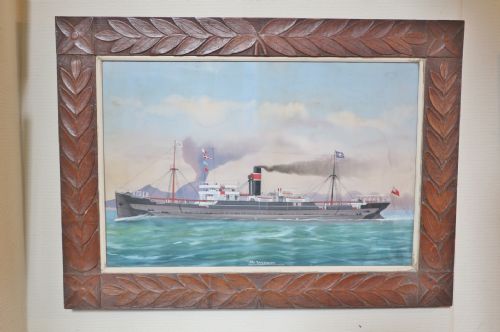
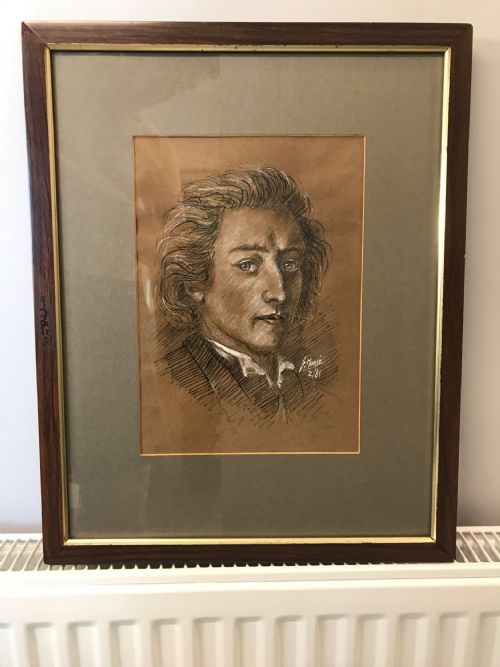
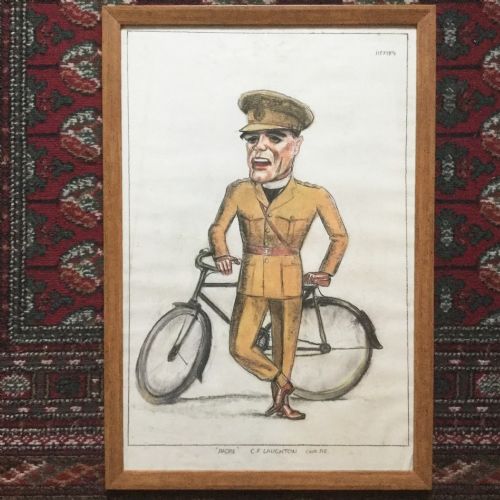
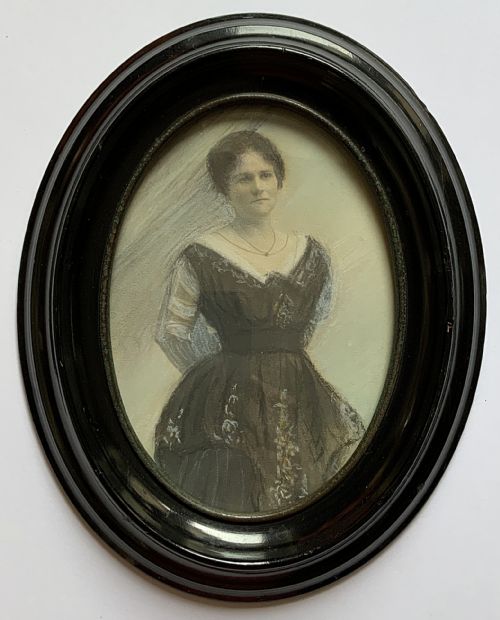

Framed Wooden Portrait Painting
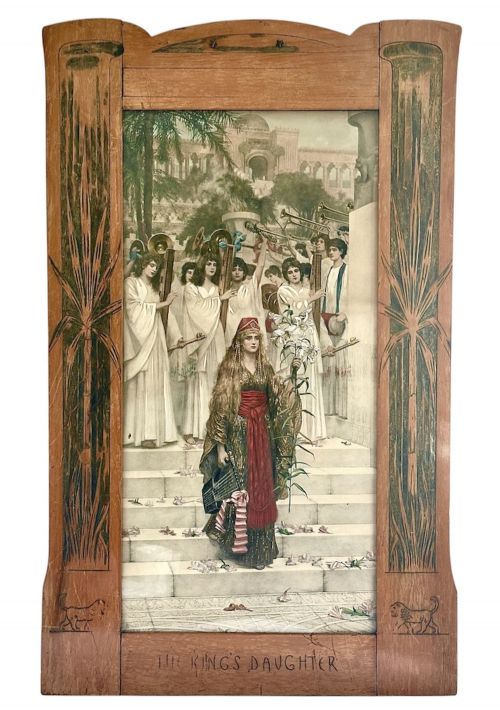
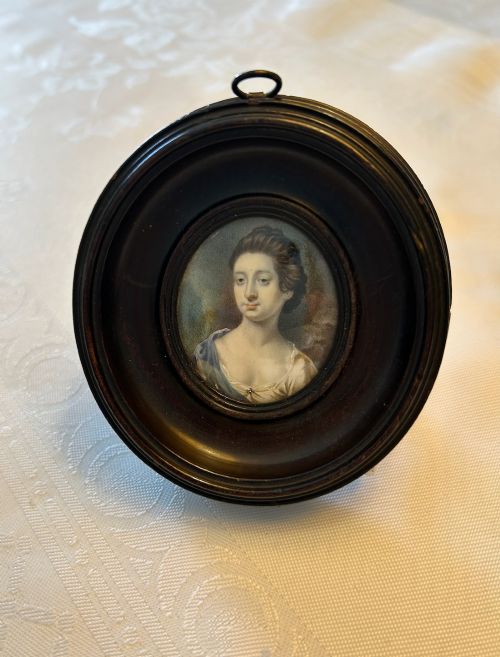
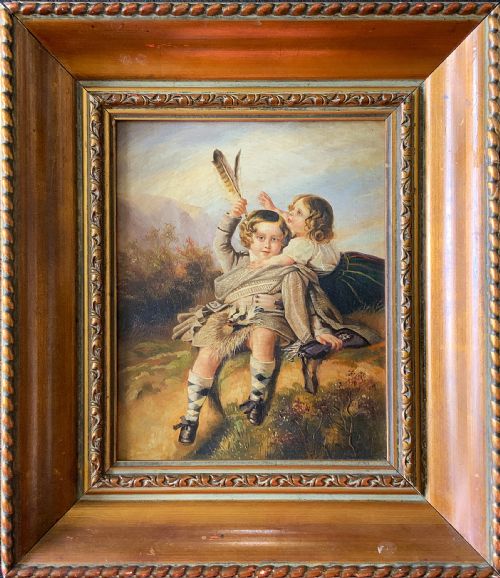
Framed wooden portrait painting pieces unite historical likenesses with timber supports, offering buyers a tactile connection to past centuries.
Framed Wooden Portrait Painting
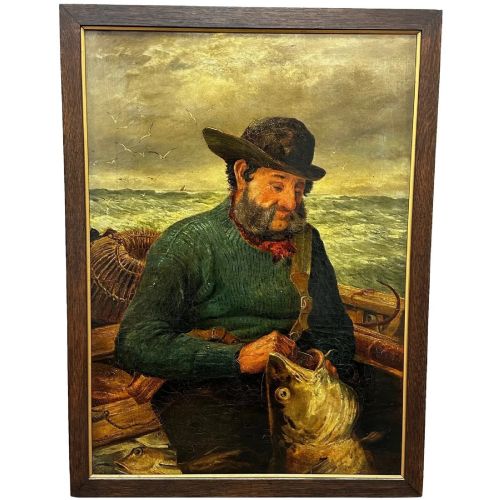
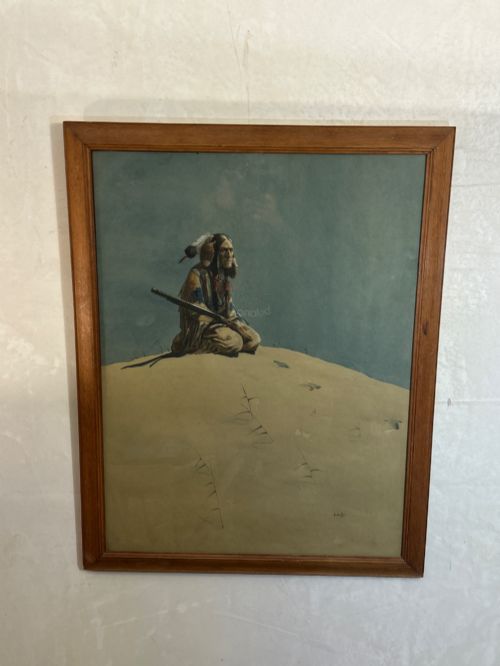
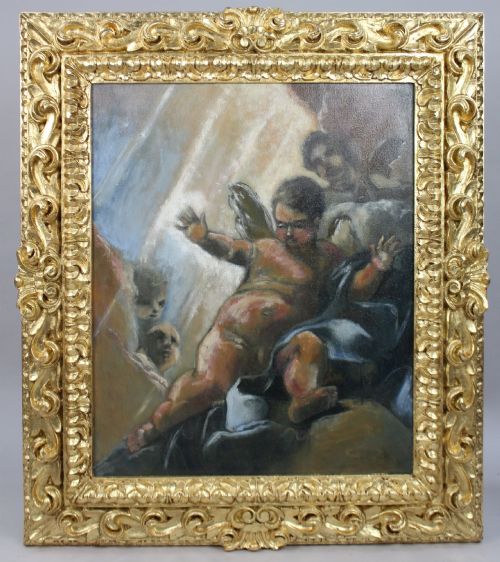
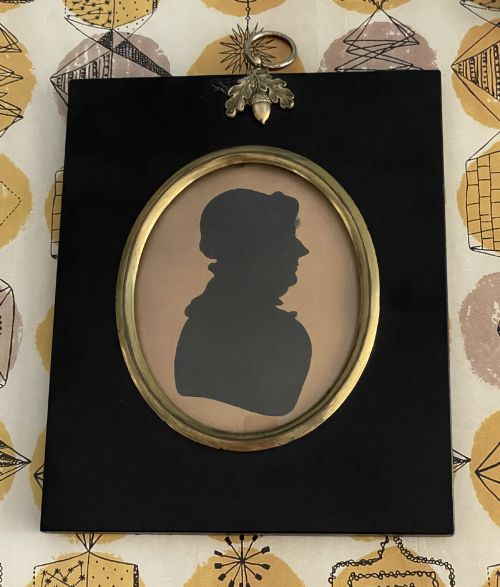
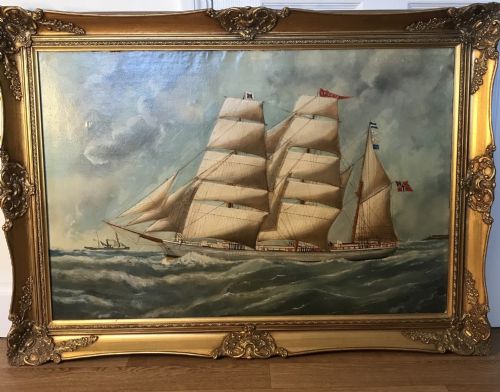
When buyers search for framed wooden portrait painting works, they encounter likenesses executed across the seventeenth, eighteenth, nineteenth and twentieth centuries. These pieces typically combine oil or watercolour media with wooden panels, pine boards, or supportive timber frames.
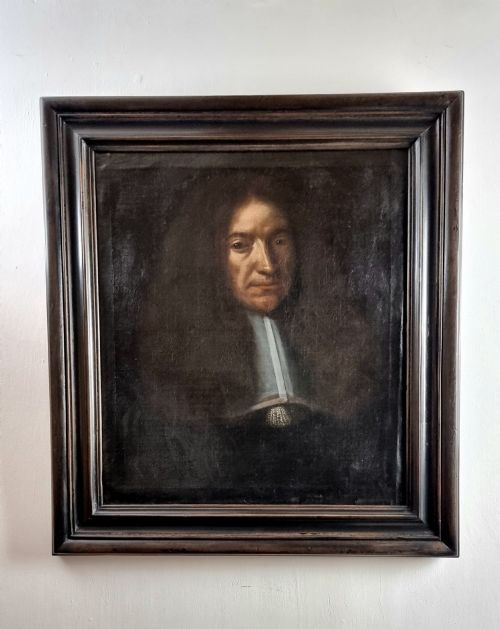
The selection on this page ranges from naive nineteenth-century depictions of gentlemen to formal eighteenth-century portrayals of nobility. Panel paintings and framed works spanning Victorian, Georgian and Edwardian eras dominate the available selection.
How they were made
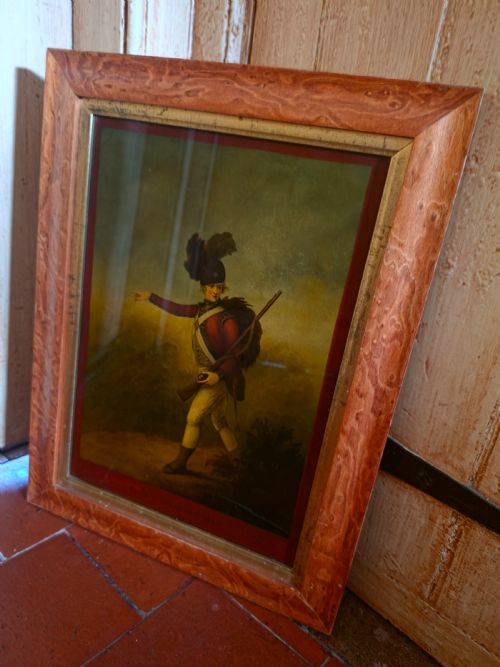
Artists applied oil paint, watercolour, gouache or mixed media directly onto prepared wooden panels, pine supports, or canvas. Many works rely on reverse glass techniques or incorporate paper and card elements within protective timber surrounds.
Makers housed these portraits in bespoke wooden frames, utilising carved giltwood, ebonised timber, and burr maple housings. The structural bond between the image support and the frame reflects traditional cabinet-making and framing skills of the period.
Framed Wooden Portrait Painting Retail Price Guide 2026
Typical asking prices for framed wooden portrait painting among the pieces listed under this phrase on Sellingantiques today, from the lower quarter to the upper quarter. They describe what is for sale here now, not the wider market.
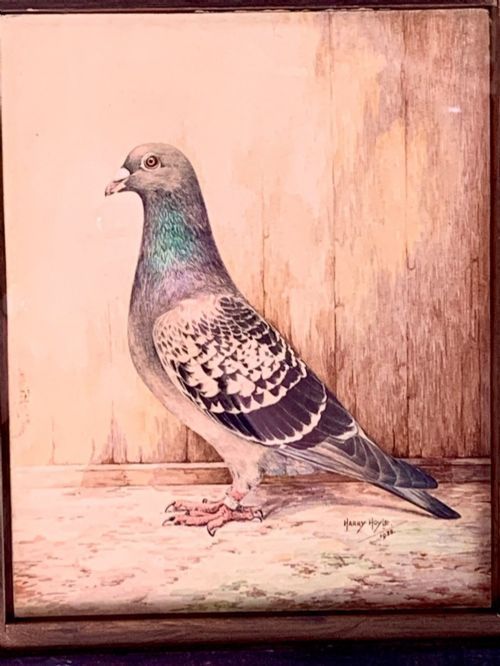
Several portraits preserve the likenesses of cherished family pets, prize-winning livestock, and royal messenger pigeons alongside human subjects.
What varies in quality
The integrity and originality of the wooden frame influence overall worth. Period frames that retain their original gilding or polish without later alterations command greater appreciation than mismatched replacements.
John Hassall·Thomas Barker of Bath·James Gillespie·Herbert Gustave Schmaltz·William Williams·George E Sharpe·Evaristo Cappelli·Alfred John Bouchette·William Tate·Henry Weigall·Ethel Mortlock
The Framed Wooden Portrait Painting Glossary
- Panel painting
- A painting executed on a flat piece of wood rather than canvas. This solid support provides a rigid foundation utilised frequently by early artists.
- Reverse glass painting
- An artwork created by applying pigment to the reverse side of a glass sheet and viewing it from the front. This technique produces a glossy surface finish.
- Giltwood
- Wood that has been coated with a thin layer of gold leaf or powder. It frequently appears on decorative Victorian and Georgian frames.
- Gouache
- An opaque watercolour paint mixed with a binding agent. It yields solid, matte colour fields common in portrait sketches.
- Ebonised
- Timber treated to resemble ebony through staining or dark finishing. This dark finish provides a sharp visual border for portrait miniatures.
Framed Wooden Portrait Painting: Frequently Asked Questions
What is a framed wooden portrait painting?
These works comprise historical likenesses rendered in oil, watercolour or mixed media upon wooden panels or paper, enclosed within timber or gilt frames.
They capture subjects ranging from nobility and military officers to everyday citizens across multiple centuries of British and European history.
How do I date an antique wooden portrait?
Dating relies upon examining the costume, hair styling and artistic convention of the sitter alongside the construction methods of the wooden panel or frame.
Secondary clues include artist signatures, archival notes on the reverse, and the chemical composition of the pigments used.
How were these portraits displayed?
Owners historically hung these artworks within domestic reception rooms, libraries and galleries to display lineage, status or personal taste.
They were specifically paired with matching frames designed to complement the interior decor of Georgian, Victorian and Edwardian homes.
How do I care for wooden portrait paintings?
Preservation requires maintaining stable room temperatures and avoiding direct sunlight to prevent the timber panel from warping and the paint from fading.
Dusting should occur gently with a dry, soft cloth, avoiding any liquid cleaners on both the painted surface and the wooden frame.