
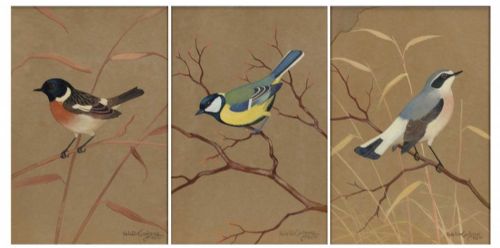


Framed Wildlife Art
Framed wildlife art gathers painted studies and printed depictions of animals and birds preserved behind glass within timber and gilt surrounds.
Framed Wildlife Art
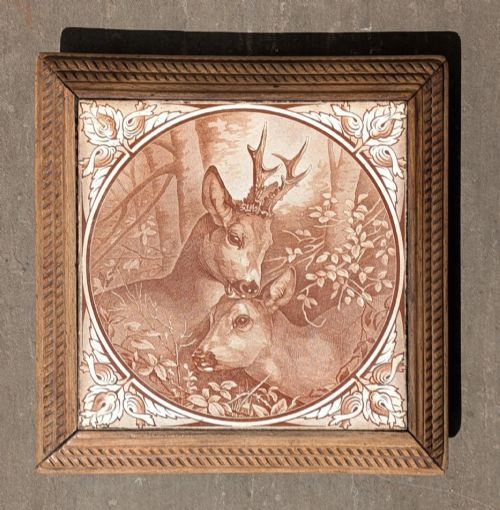
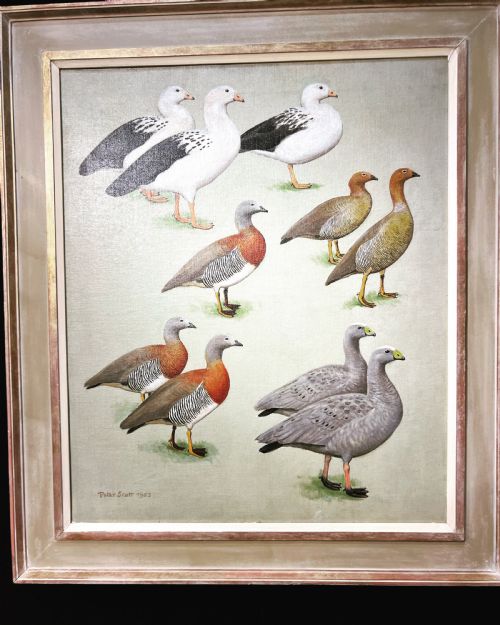
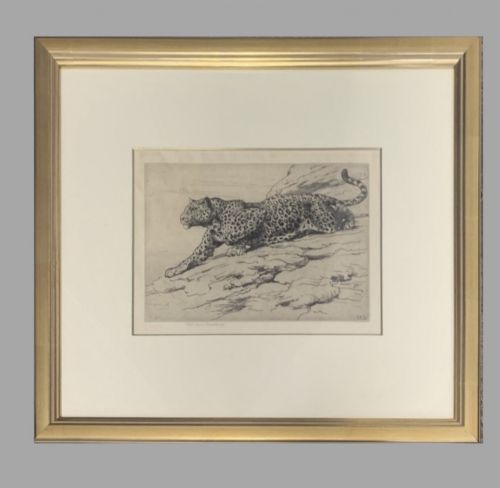
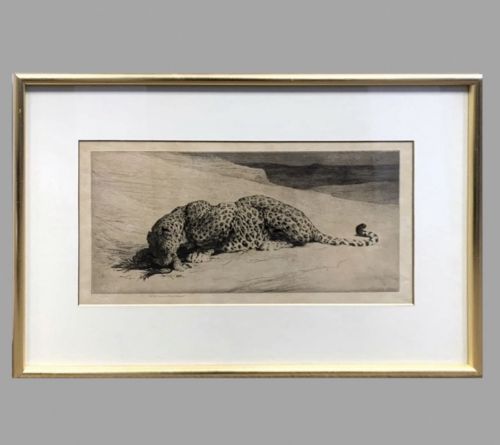
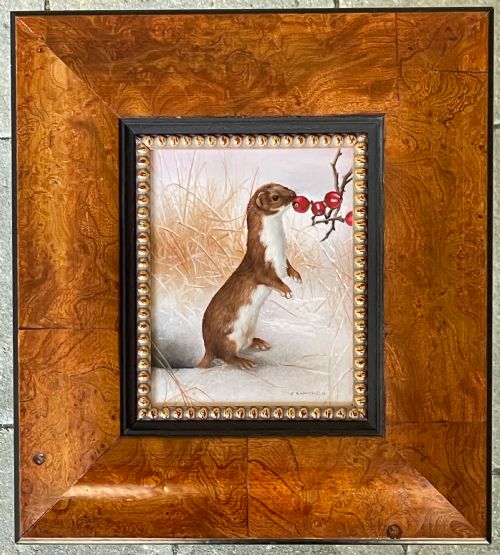
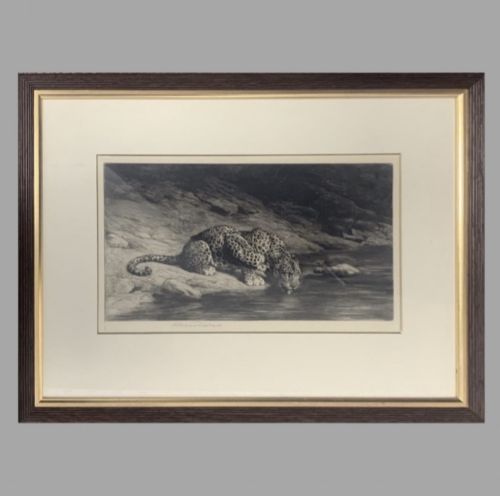
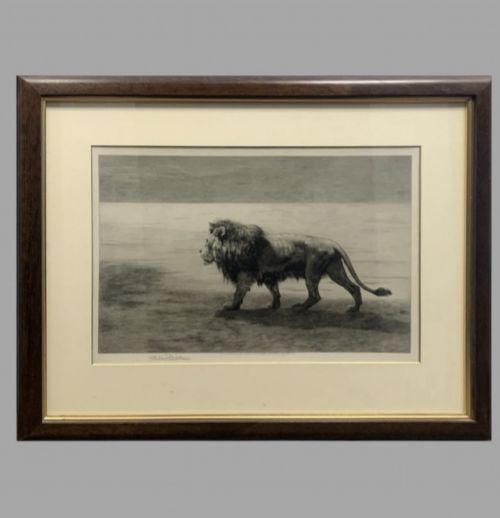
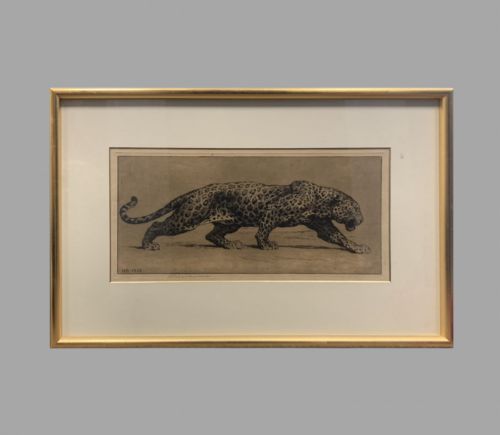
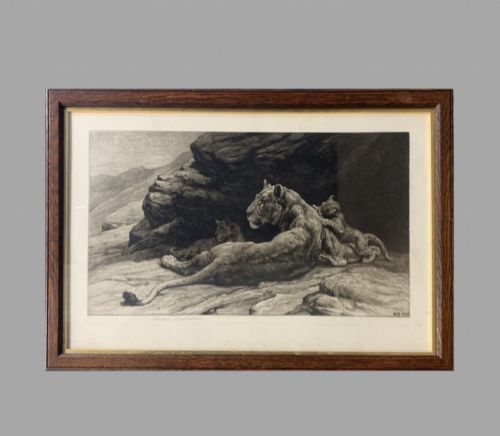
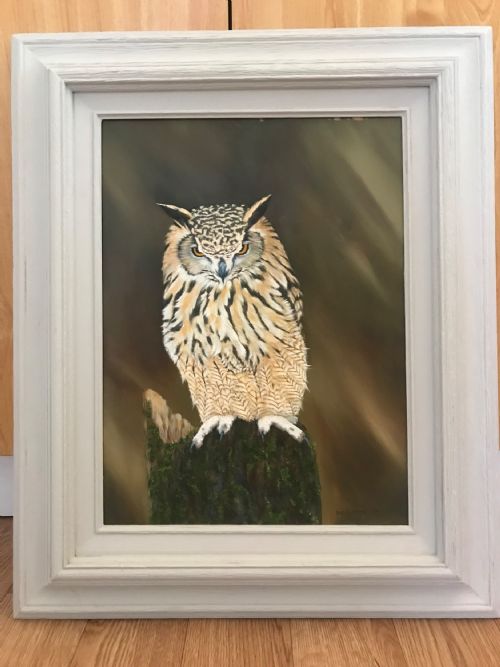
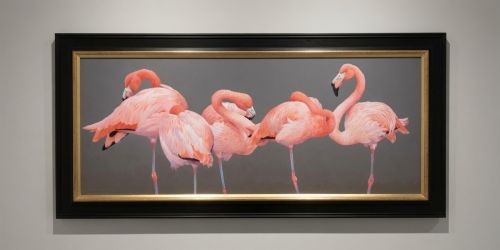
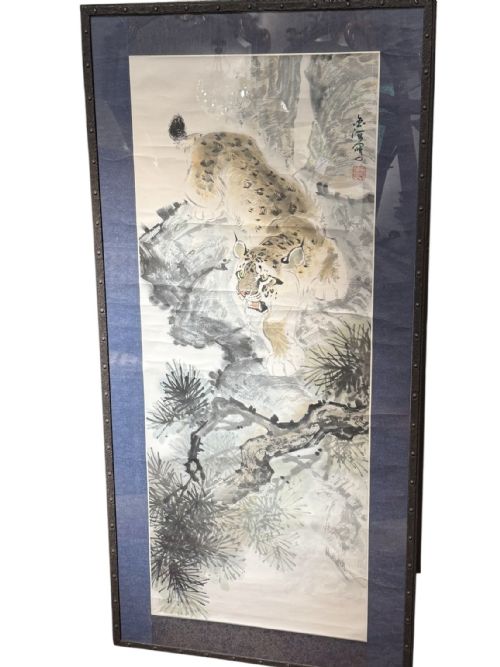
When you search for framed wildlife art, you encounter diverse depictions of animals and birds ranging from detailed natural history illustrations to expressive oil paintings. The selections span the eighteenth, nineteenth, and twentieth centuries, reflecting changing aesthetic approaches to representing creatures in their natural habitats. You will frequently find subjects encompassing British birds, big cats, and waterfowl rendered across various scales.
The physical formats vary widely, including signed artist proofs on paper and vellum, oil paintings on canvas and panel, and delicate watercolours. Many pieces retain their period frames, which often utilise wood, glass, and gold leaf to complement the imagery within. These works emerge from distinct artistic traditions such as Victorian animalier, British naturalism, and realism.
The collection accommodates both intimate miniature etchings and large landscape compositions featuring deer, bears, and exotic birds. Pieces originate from various British and continental European hands, demonstrating meticulous observation of anatomical detail and behaviour. This variety ensures that each piece offers a distinct perspective on the natural world through historical artistic lenses.
Materials and Techniques
Artists working within this genre relied primarily on oil paint, watercolour, pastel, gouache, and etching inks applied to canvas, paper, vellum, and board. Oil paintings utilised stretched canvas or wooden panels to build rich textures and deep colour fields, particularly suited for capturing the fur of large mammals and the plumage of birds. Watercolours and gouache on paper required swift, precise application to record the transient postures of wildlife in the field.
Printmakers employed etching techniques on paper and vellum, producing limited editions marked by fine, incised lines that rendered texture with high fidelity. Protective framing traditionally incorporated wooden mouldings, sometimes finished with gold leaf or gilt wood, paired with clear glass to shield the delicate pigments and papers from environmental damage.
Listings feature mediums spanning oil paint, watercolour, pastel, gouache, and etching on paper or vellum.
Differentiating Quality
The distinction between standard examples and exceptional works rests upon the artist's anatomical accuracy and ability to convey the vitality of the subject. Master hands capture muscle tension, feather structure, and light with supreme confidence, whereas lesser pieces can result in static or stiff representations.
The survival of original supporting elements, such as period frames, hand-carved gilt wood surrounds, and authenticated artist signatures, elevates the standing of a piece. Furthermore, the condition of the paper or canvas, freedom from excessive pigment flaking, and clarity of the original glazing contribute significantly to the overall integrity of the artwork.
Herbert Dicksee·Carl Whitfield·David Orr Kerr·Ralston Gudgeon·Joseph Knight·Elisabeth Frink·Philipp Ferdinand de Hamilton·Marmaduke Cradock·Jacob Bogdani·Charles F Tunnicliffe·Thomas Blinks·Arthur Wardle·Constant Ludovic Artz·Robin Hill·Michael Jackson·John Macallan Swan·Geza Vastagh·Paul-Louis Barruel·Donald Watson
The Framed Wildlife Art Glossary
- Etching
- A printmaking process where lines are bitten into a metal plate with acid before ink is applied and transferred to paper or vellum. This technique allows for extraordinary fine detail in fur and feather studies.
- Vellum
- A fine parchment prepared from calfskin, prized by printmakers for its smooth, durable surface that holds delicate ink lines with exceptional clarity.
- Animalier
- A nineteenth-century artistic style focusing specifically on the realistic representation of animals, often emphasising musculature and dynamic movement.
- Artist Proof
- A trial impression of a print taken before the final edition is produced, typically signed by the artist and highly valued for its crisp impression.
- Gouache
- An opaque watercolour paint that dries to a matte finish, used by artists to build solid blocks of colour and sharp highlights in wildlife studies.
Framed Wildlife Art: Frequently Asked Questions
What periods do these pieces come from?
The works span from the eighteenth century through the nineteenth and twentieth centuries, capturing evolving artistic interpretations of nature across different eras.
Earlier examples often reflect classical European traditions, while twentieth-century pieces lean towards modernist and direct observational styles.
How should I care for framed works on paper?
Keep delicate watercolours and etchings away from direct sunlight to prevent the fading of fugitive pigments and the yellowing of paper supports.
Maintain stable indoor humidity levels to protect both the artwork and the historical wooden frames from warping or moisture damage.
Are these works original or reproductions?
The selection primarily consists of original oil paintings, direct watercolours, pastels, and pencil studies executed by hand.
Where prints are present, they are typically limited edition artist proofs pulled from original plates rather than modern mass-produced reproductions.
How do I identify a Victorian animalier piece?
Victorian animalier works concentrate heavily on the dramatic behaviour, physical power, and anatomical precision of mammals and birds.
Look for intense engagement with the subject matter, often portraying predators and prey in heightened moments of tension.