

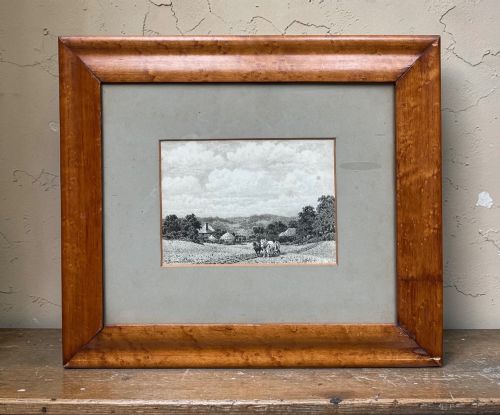
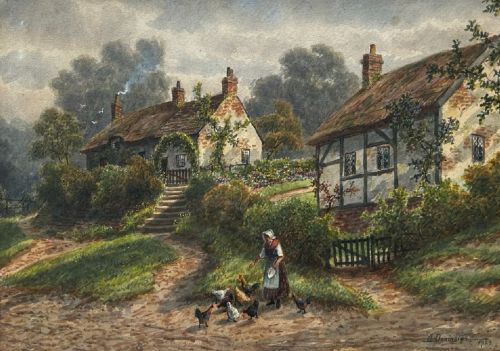
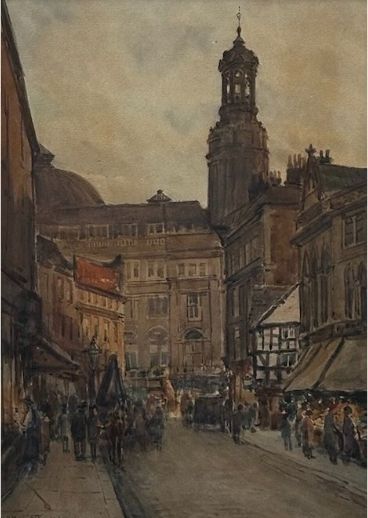
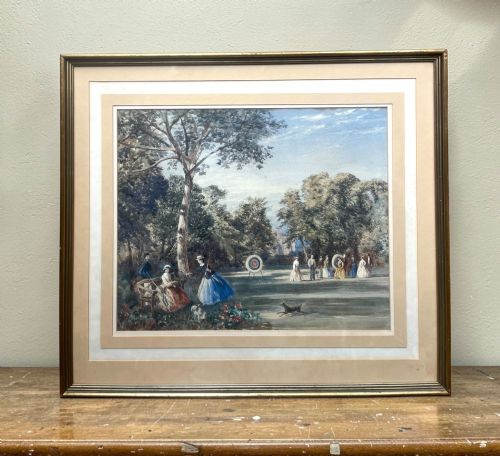
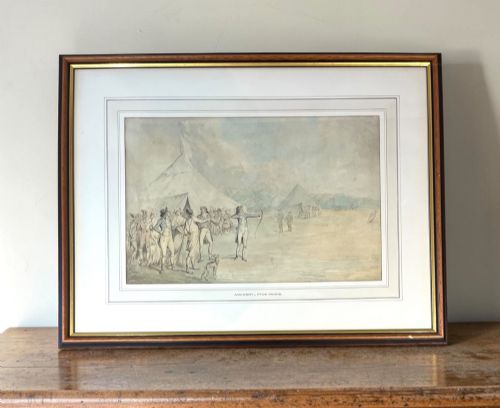
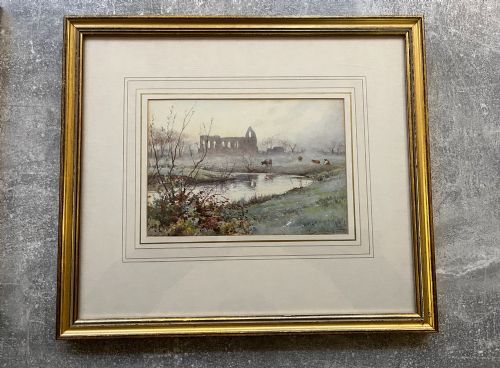
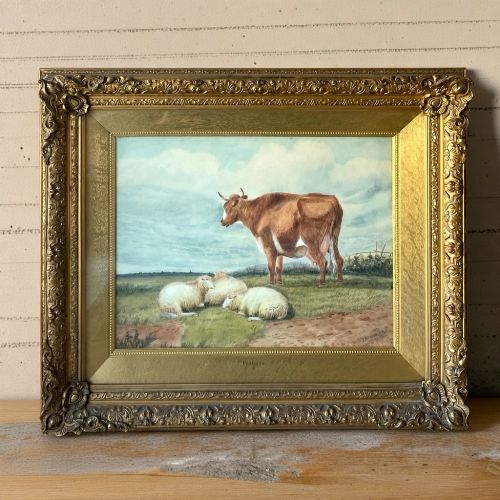
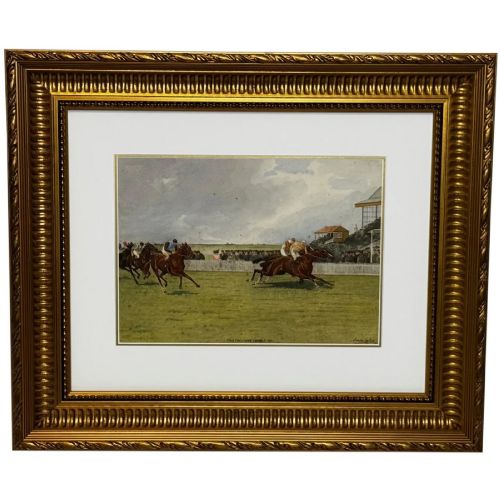
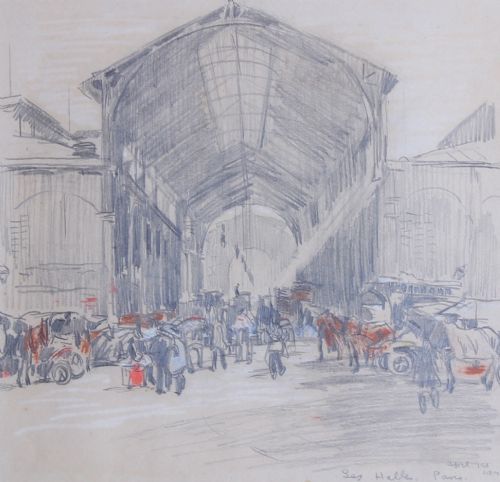
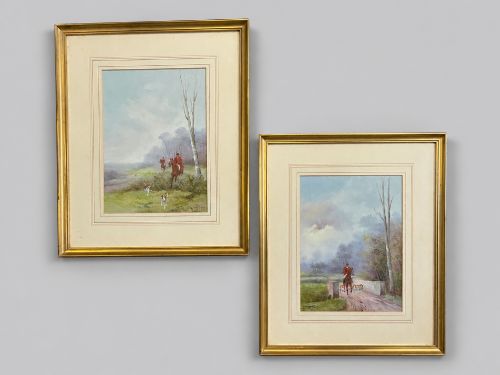
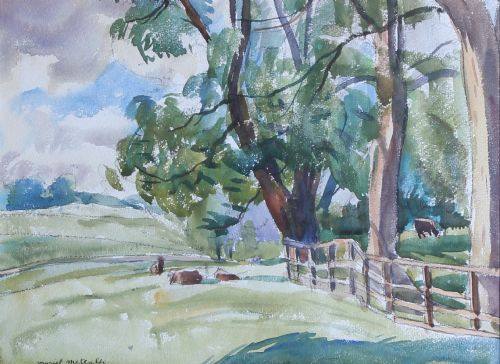
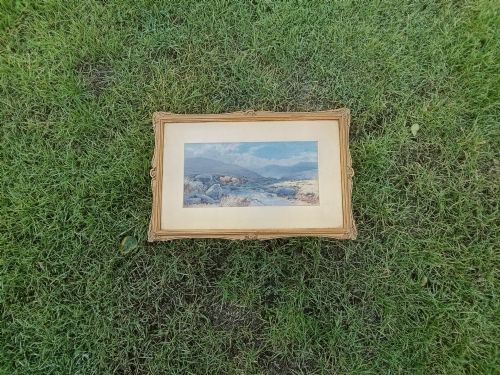
Framed Watercolour Scene
A framed watercolour scene brings the immediacy of pigment on paper to your wall, captured by artists across the nineteenth and early twentieth centuries.
Framed Watercolour Scene
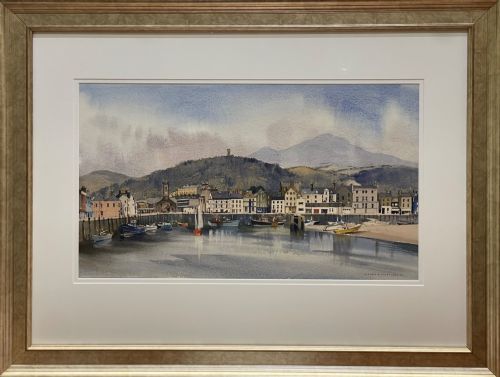
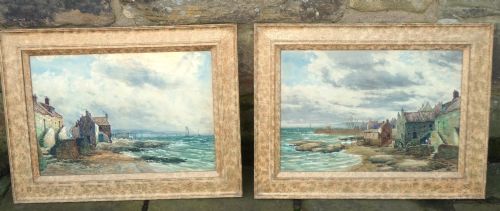
A framed watercolour scene encompasses landscapes, coastal harbours, and townscapes rendered on paper and secured behind glass.
The pieces on this page span the Victorian and Edwardian periods, stretching from early nineteenth-century works into the mid-twentieth century.
Subjects range from British rural rivers and Scottish lochs to Mediterranean views of Venice, Palermo, and Bagdad.
Materials and Technique
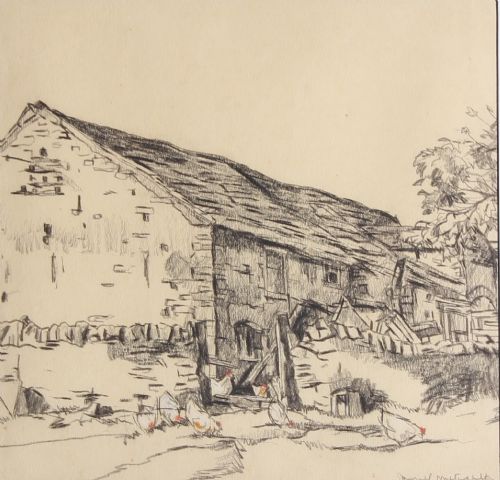
Artists applied watercolour pigment onto paper sheets, sometimes utilising pen and ink underdrawings or fabric grounds.
Protection came from glass glazing paired with wooden frames, frequently enhanced by gold leaf or giltwood mouldings.
Framed Watercolour Scene Retail Price Guide 2026
Typical asking prices for framed watercolour scene among the pieces listed under this phrase on Sellingantiques today, from the lower quarter to the upper quarter. They describe what is for sale here now, not the wider market.
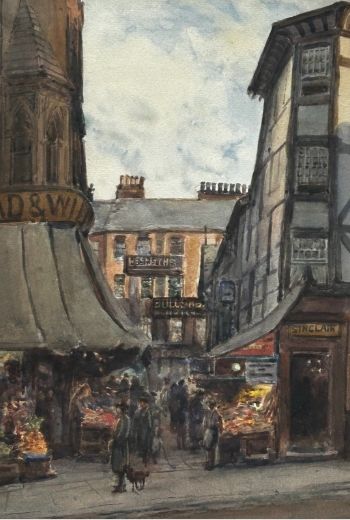
A solitary chestnut seller and bustling market scenes ensure these historic watercolours bring daily life right into the room.
Quality and Execution
Brushwork precision and tonal control distinguish the handling of light in coastal seascapes and atmospheric landscapes.
The fidelity of the framing materials, from simple wood to elaborate giltwood, alters the presence of the artwork.
Thomas Rowden·William Woolard·Cuthbert Crossley·Stuart Lloyd·Thomas Miles Richardson Jnr·James Orrock·Henry Stacy Marks·A. Mitchell·A. Marie Parsons·John McDougal·EJ Letheren·John E. Aitken·William Banks Fortescue·Robert Leslie Howey·Robert A. Nottingham·Henry Silkstone Hopwood·Fred Lawson·Robert Thorne Waite·Joseph H Barnes·Frederick Walker·George Oyston·Frederick James Kerr·Hendrik Valkenberg·Carlo Ferranti·Bonomi Edward Warren
The Framed Watercolour Scene Glossary
- Watercolour pigment
- Finely ground colorants mixed with a water-soluble binder, applied in translucent washes onto paper. This medium allows light to reflect from the paper surface through the layers of colour.
- Giltwood
- Timber that has been coated with a thin layer of gold leaf or gold paint. It provides a reflective border that complements the tones of the painting.
- Monogram
- A motif made by overlapping or combining two or more letters to form a symbol. Artists often used these initials instead of a full signature on smaller works.
- Genre watercolour
- A painting depicting scenes from everyday life, such as markets, blacksmith shops, or street figures. These works capture the social habits of past eras.
Framed Watercolour Scene: Frequently Asked Questions
How should I hang a watercolour?
Keep works out of direct sunlight to prevent the pigments from fading over time.
Ensure the room maintains stable humidity levels to protect the paper and wooden frame.
Are these works signed?
Many pieces feature artist signatures, monograms, or attribution to specific nineteenth-century followers and schools.
Unsigned works often rely on period style and subject matter for identification.
What subjects are most common?
Landscapes, riverbanks, and coastal harbours dominate the selection, alongside genre scenes of daily life.
Travel views from the Grand Tour era also appear frequently.
How do I date a piece?
Dating relies on recorded artist lifespans, stylistic movements like British Impressionism, and framing materials.
Paper quality and inscribed dates on the reverse provide additional chronological clues.