
Framed Watercolour Portrait Painting
A framed watercolour portrait painting brings a distinct face of the past into a room, captured on paper through delicate washes.
Framed Watercolour Portrait Painting
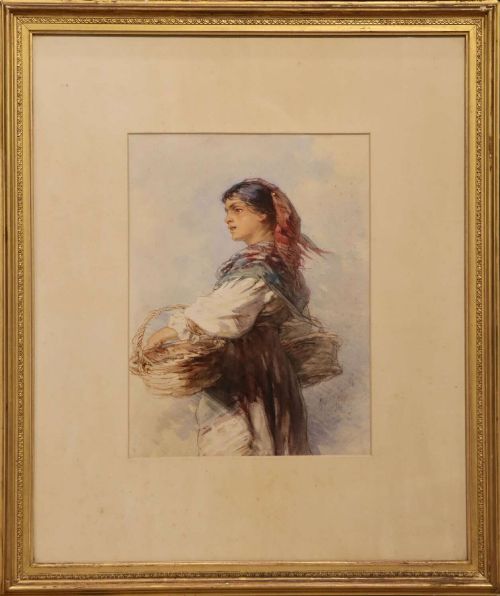
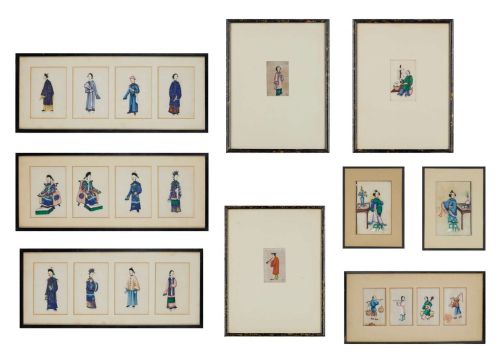
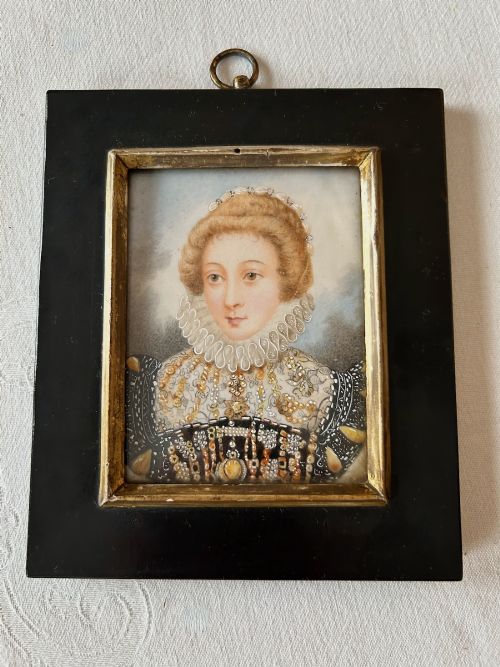
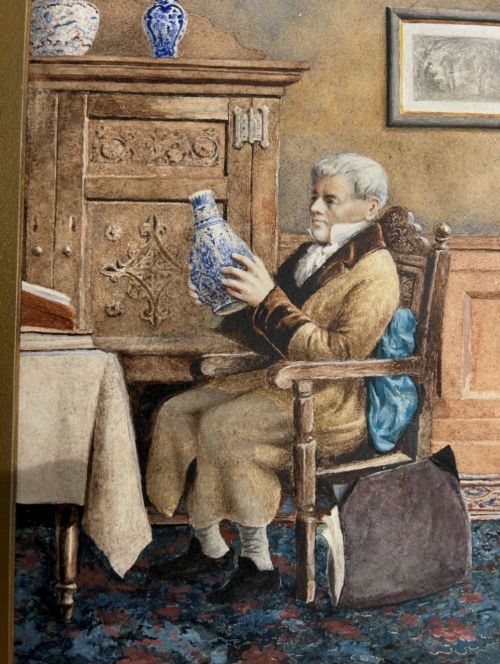
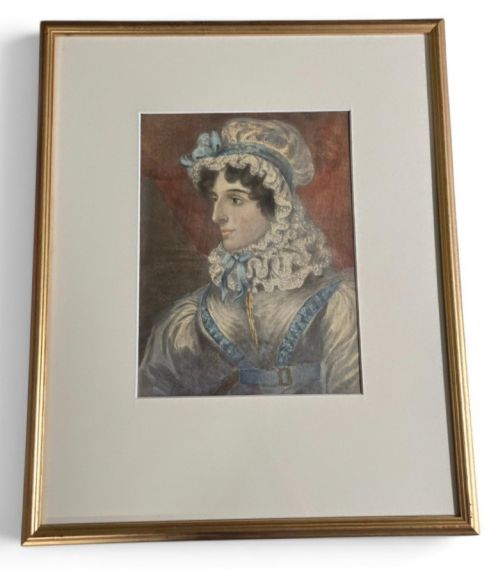
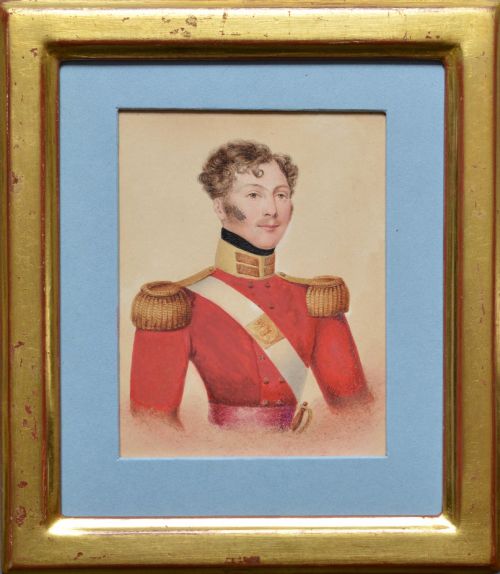
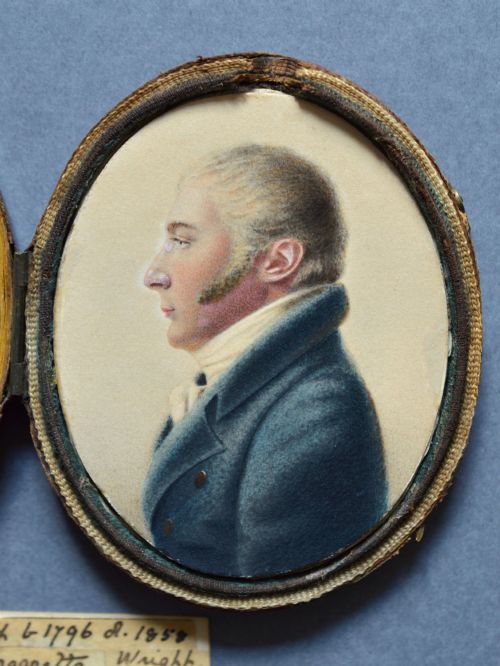
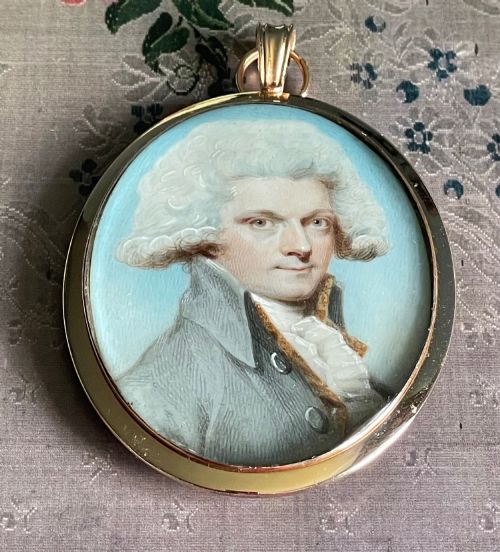
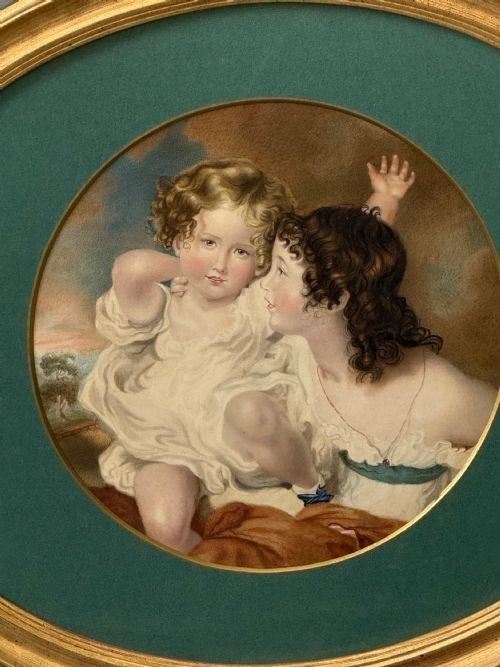
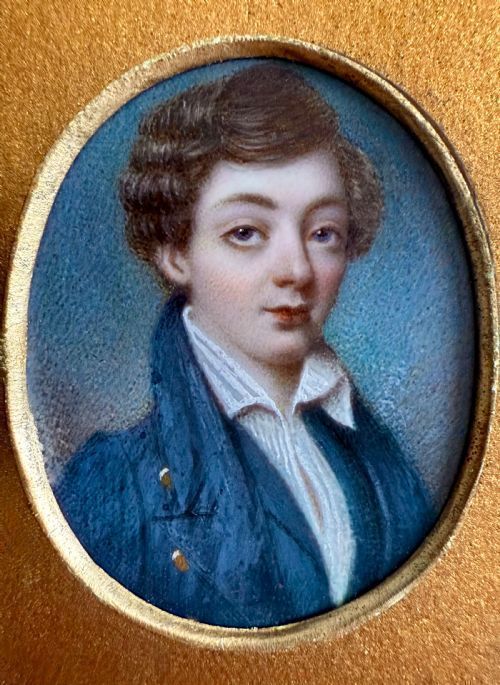
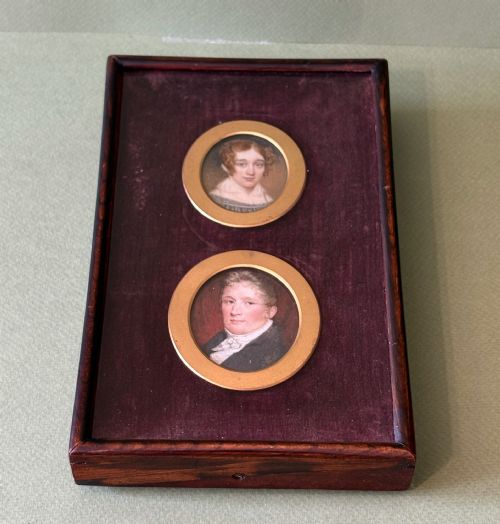
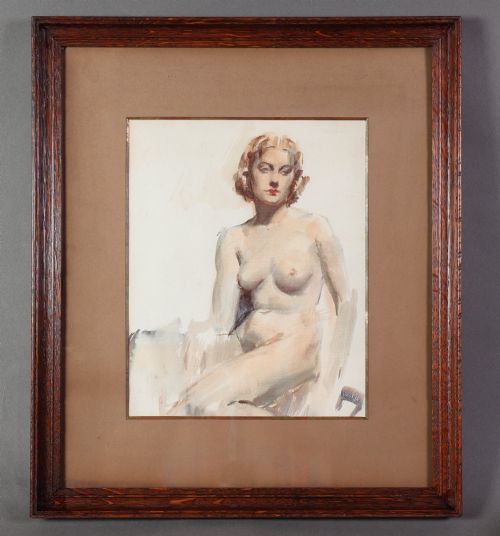
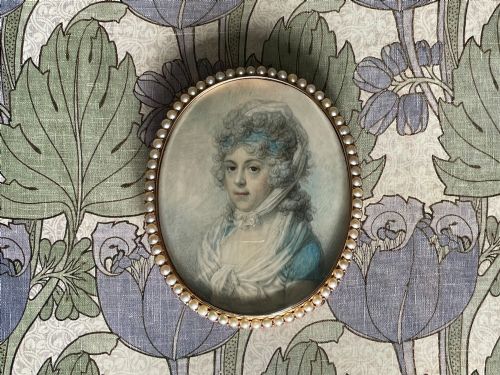
When you search for a framed watercolour portrait painting, you encounter works spanning from the eighteenth century through the mid-twentieth century. The selection ranges from intimate miniature paintings set in wood or gilt metal frames to larger sheets depicting military officers, children, and ladies. Victorian and Georgian examples dominate the offerings, often presented behind glass in period frames.
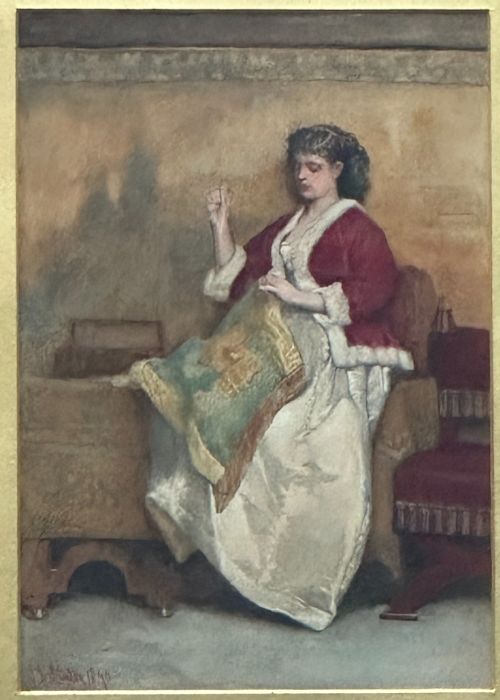
Many of these works are attributed to named artists or schools of the British tradition, while others record anonymous sitters with striking character. You meet both delicate bust-length portrait miniatures and fuller compositions showing subjects engaged in everyday activities like sewing or reading. The underlying support shifts between prepared paper, card, and occasionally glass, preserved within the original or period-appropriate framing.
How they were made
Artists built these portraits using water-soluble pigments on paper, sometimes heightening details with gouache or pastel to give depth to drapery and skin tones. The media rely on the luminosity of the white paper shining through translucent washes of colour rather than heavy, opaque layers.
Protection came from timber frames, often ebonised or gilt, holding glass directly over the face of the artwork to shield the fragile paper from moisture and dust.
Materials recorded in current works include gold leaf, gouache, glass, and wood alongside traditional watercolour on paper.
What varies in quality
The integrity of the preservation also sets examples apart, noting whether the paper retains its original tone without excessive fading and whether the frame matches the period of the painting.
Henri Fradelle·Sir James Dromgole Linton·Henry Stacy Marks·John Hassall·Thomas John Horsley·Charles Shirreff·Richard Cosway·Frederick Tatham·Alexander Harwood·Frederick Buck
The Framed Watercolour Portrait Painting Glossary
- Watercolour
- A painting method where fine pigment is suspended in a water-soluble binder and applied to paper. It allows for translucent layers that capture shifting light.
- Gouache
- An opaque water-based medium containing pigment mixed with a binding agent and a white filler. It produces solid passages of colour with a matte finish.
- Miniature painting
- A small-scale portrait executed with fine brushes, often created for personal keepsakes or lockets before the widespread adoption of photography.
- Gilt metal
- A base metal treated with a thin layer of gold or gold-coloured wash to imitate solid gold. It provides a bright border for miniature frames.
- Ebonised
- Timber treated with a dark finish to resemble ebony wood. It creates a stark, contrasting border around eighteenth and nineteenth-century portraits.
Framed Watercolour Portrait Painting: Frequently Asked Questions
How should I hang these watercolours?
Keep them away from direct sunlight to prevent the delicate pigments and paper from fading over time.
Position them on interior walls where humidity and temperature remain stable.
Are these portraits always signed?
Many fine examples from the British and regional schools remain unsigned or bear only faint initials from the artist.
Attribution often relies on stylistic comparison, old inscriptions on the reverse, or historical records.
What frames are original?
Eighteenth and nineteenth-century pieces typically utilise ebonised timber, simple moulded wood, or gilt metal frames fitted with old glass.
Frames with minor signs of age usually indicate a long association with the artwork inside.
How do miniatures differ from standard portraits?
Miniatures are executed on a much smaller scale, often designed to be held in the hand or worn as personal mementoes.
Standard framed watercolours are scaled for display on walls as part of a room's interior arrangement.