

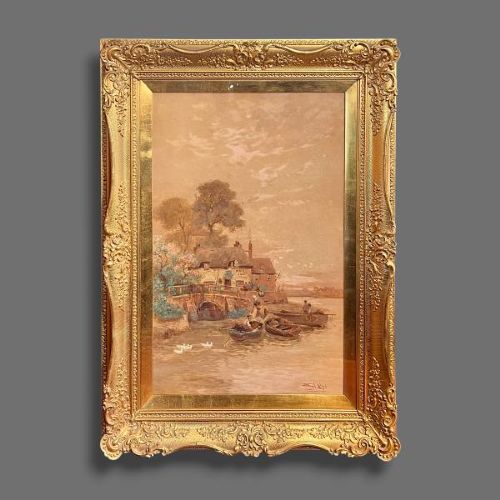
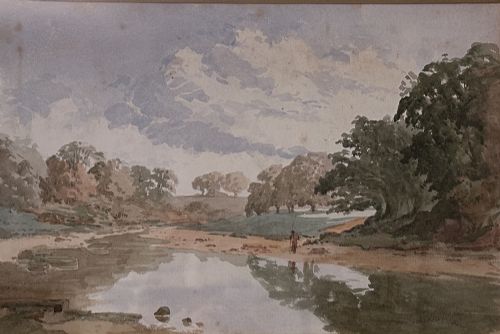
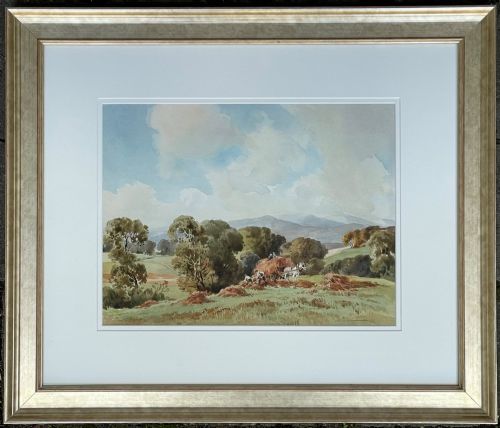
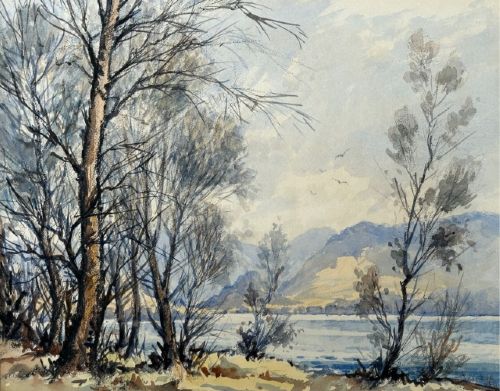
Framed Watercolor Scene
A framed watercolor scene brings the delicacy of pigment on paper to your wall, captured by artists across the nineteenth and early twentieth centuries.
Framed Watercolor Scene
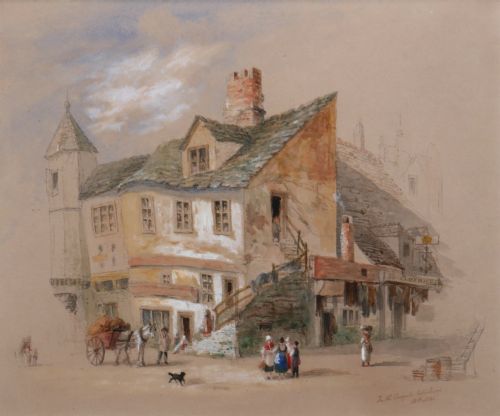
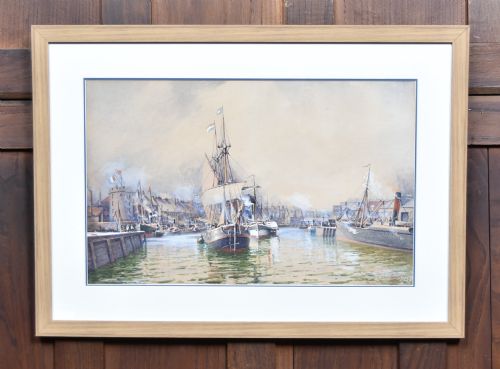
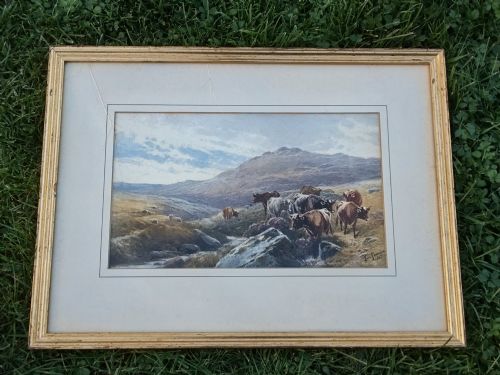
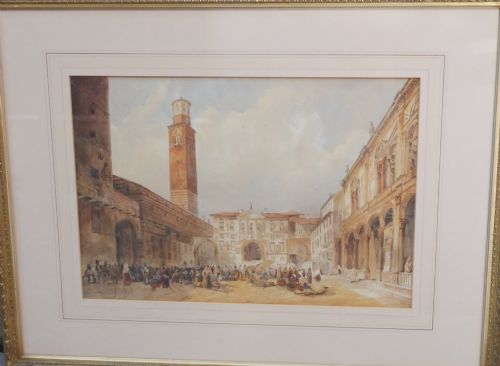
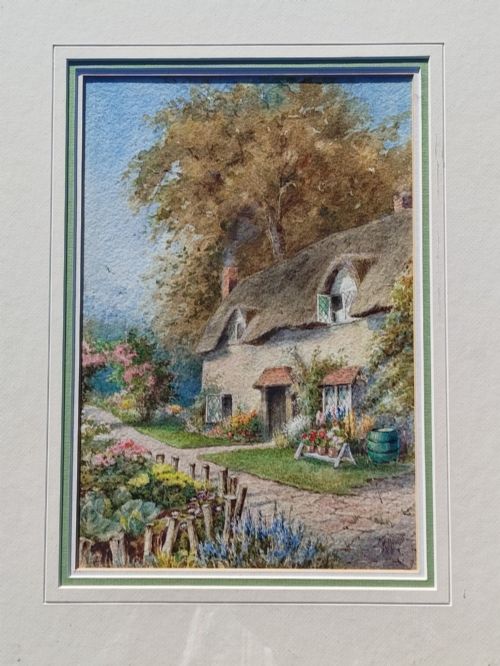
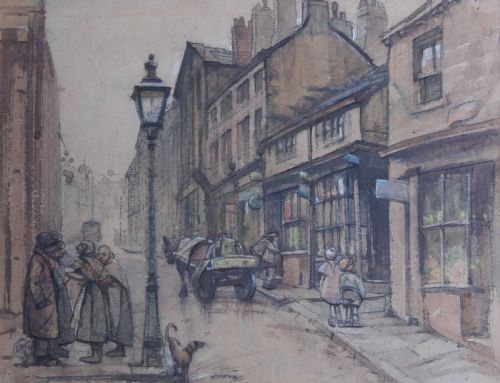
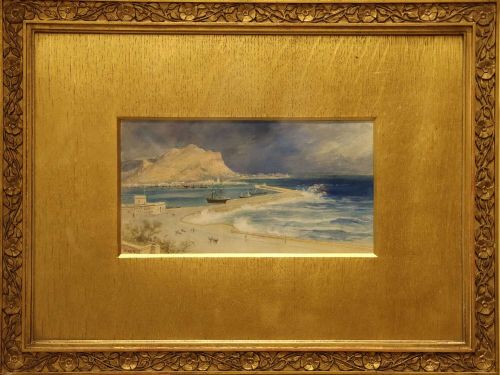
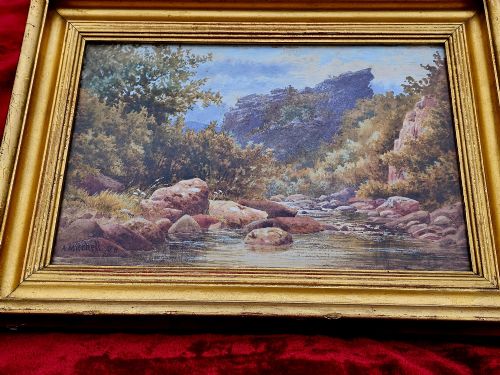
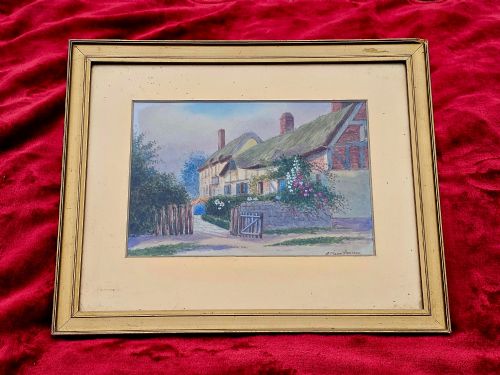
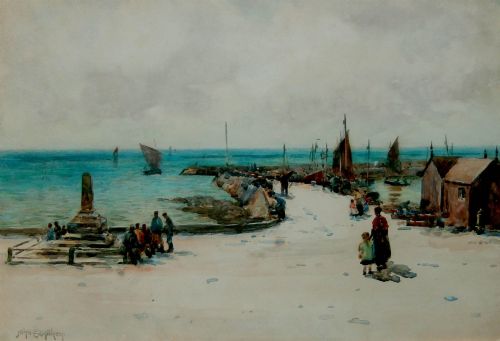
When you search for a framed watercolor scene, you encounter original paintings executed on paper using water-soluble pigments, preserved behind glass within wooden frames. These works span from the Victorian era into the mid-twentieth century, recording landscapes, maritime views, and townscapes.
The most common examples you meet on this page date from the nineteenth century through the Edwardian period, often reflecting British Impressionism, realism, or pastoral traditions. Subjects range from Scottish lochs and Cornish harbours to Italian ports and rustic cottages.
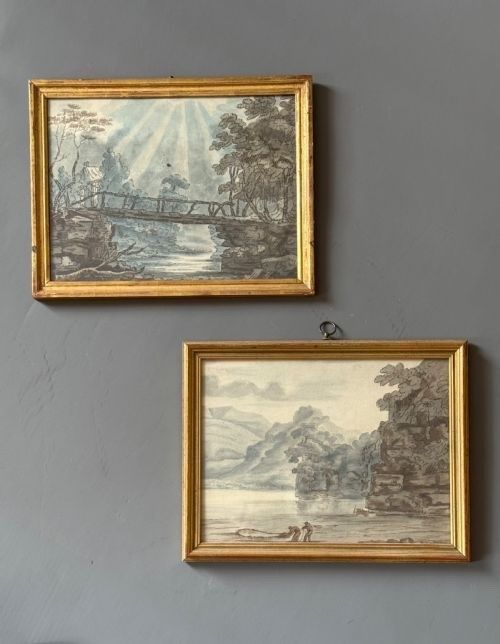
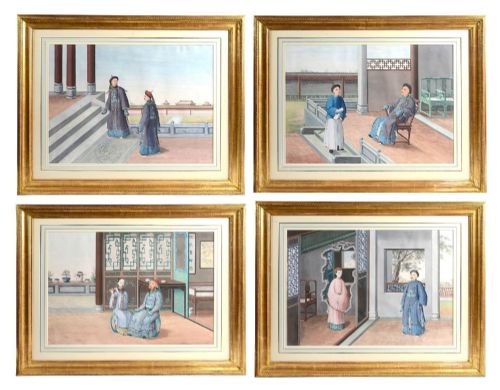
Makers and artists range from Royal Academy exhibitors to regional painters signing their work with initials or monograms. Some pieces arrive as pairs or sets, documenting travels on the Grand Tour or local countryside scenes.
Materials and Technique
Artists applied watercolour pigment onto heavy paper sheets, sometimes utilising pen and ink underdrawings to define architectural details or figures. The transparent washes created luminous effects, particularly when painters left areas of white paper bare to catch the light.
Completed paintings were set behind protective glass to shield the paper from moisture and dust. Wooden frames, frequently finished with gold leaf or giltwood, completed the presentation and secured the artwork for domestic display.
Framed Watercolor Scene Retail Price Guide 2026
Typical asking prices for framed watercolor scene among the pieces listed under this phrase on Sellingantiques today, from the lower quarter to the upper quarter. They describe what is for sale here now, not the wider market.
Materials recorded across these artworks include paper, glass, watercolour pigment, gold leaf, and giltwood.
Judging Quality and Execution
Quality rests upon the confidence of the brushwork and the artist's command of light and atmosphere. Stronger works demonstrate assured handling of washes and precise detail in focal areas without appearing overworked.
The sensitivity of the framing and the preservation of the paper pigment distinguish finer examples. Superior pieces retain vibrant colour values and clear signatures, showing minimal fading beneath the protective glass.
Mac C·K Howitt·Thomas Rowden·William Woolard·Cuthbert Crossley·Stuart Lloyd·Thomas Miles Richardson Jnr·James Orrock·Percy Lancaster·Henry Stacy Marks·A Mitchell·A Marie Parsons·John McDougal·EJ Letheren·John E Aitken·William Banks Fortescue·Robert Leslie Howey·Robert A Nottingham·Henry Silkstone Hopwood·Fred Lawson·Robert Thorne Waite·Joseph H Barnes·Frederick Walker·George Oyston·Frederick James Kerr
The Framed Watercolor Scene Glossary
- Watercolour
- A painting method where natural pigments are suspended in a water-based solution and applied to paper. This medium allows for translucent washes and delicate tonal gradations.
- Giltwood
- Wood carved and coated with a thin layer of gold leaf or metallic gilt. This finish is frequently found on traditional picture frames.
- Grand Tour
- A cultural journey through Europe undertaken by young upper-class people during the eighteenth and nineteenth centuries. Paintings from this context often depict Italian harbours and classical ruins.
- Monogram
- A motif made by overlapping or combining two or more letters to form a single symbol. Many nineteenth-century artists used monograms rather than full signatures on their watercolours.
- Provenance
- The chronology of the ownership and origin of an item. In fine art, established provenance connects a painting to its creator or original exhibition.
Framed Watercolor Scene: Frequently Asked Questions
How should I hang a watercolor scene?
Hang your framed watercolor scene away from direct sunlight to prevent the pigments and paper from fading over time. Direct heat sources from radiators can also dry out the paper and damage the wooden frame.
Position the painting at eye level in a room with stable humidity to keep the paper and glass secure. Using picture rail hooks or secure wall fixings suited to your wall type ensures the work hangs safely.
Can I remove the glass from my painting?
You should leave the glass in place because it protects the delicate watercolor pigments and paper surface from atmospheric dust and moisture. Removing the barrier exposes the unprotected paper to accidental marking and environmental degradation.
If the glass requires cleaning, wipe the exterior surface gently with a cloth dampened slightly with water. Avoid spraying cleaning fluids directly onto the frame where liquid might seep under the glass and stain the paper.
How do I date a framed watercolor?
Examine the style of the clothing, architecture, and landscape elements depicted in the scene for initial clues. Signatures, monograms, and inscriptions on the reverse of the paper or frame often point to specific active years of the artist.
The construction of the wooden frame and the type of paper used also offer period indicators. Nineteenth-century works frequently feature heavier rag paper and hand-gilt wooden mouldings.
What is the difference between a drawing and a watercolor?
A drawing relies primarily on linear marks made with mediums such as pen and ink, graphite, or chalk. The emphasis rests on outlines, hatching, and contour rather than broad fields of colour.
Watercolour involves washes of pigmented fluid applied with a brush to create tones, shadows, and colour fields. Many pieces combine both techniques, utilising ink lines to anchor a watercolor wash.