
Framed Vintage Sketches
Framed vintage sketches offer a direct line to the hand of the artist, bringing character and historic atmosphere to any wall.
Framed Vintage Sketches
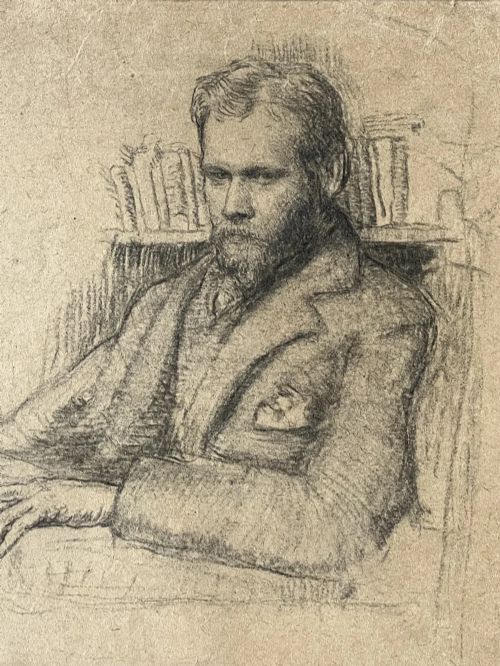
When you search for framed vintage sketches, you are looking at original works on paper produced across the nineteenth and twentieth centuries. These pieces capture immediate artistic intent through hand-drawn lines, shading, and preparatory studies rather than finished mass-produced prints.
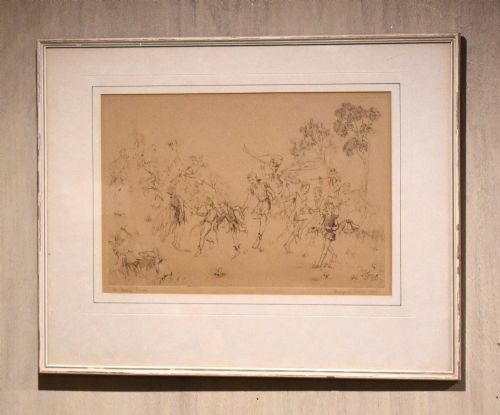
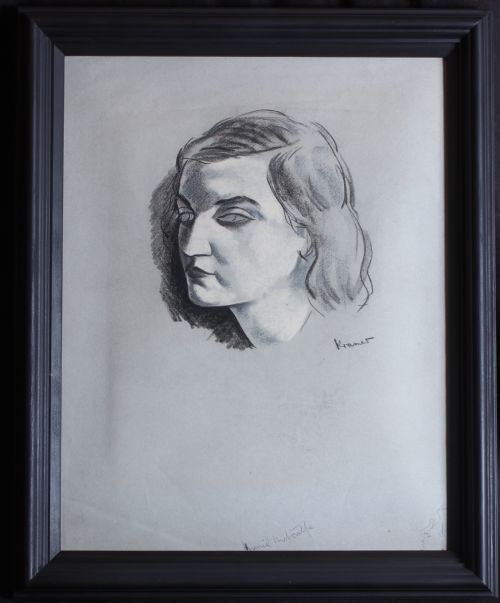
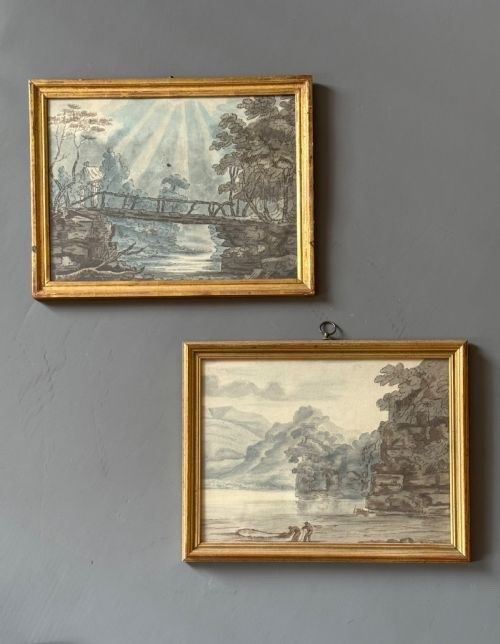
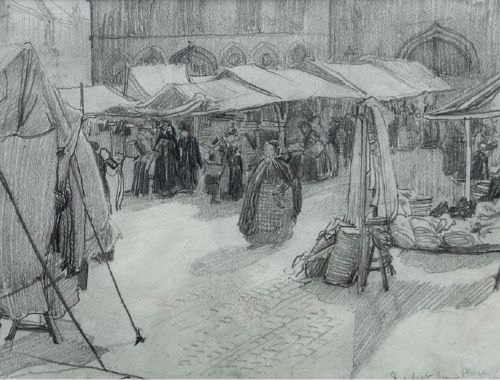
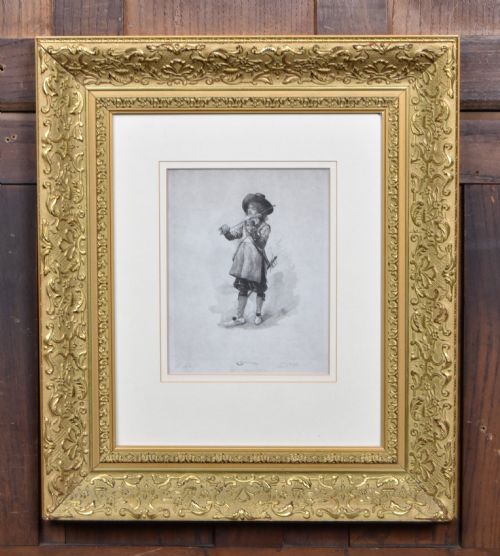
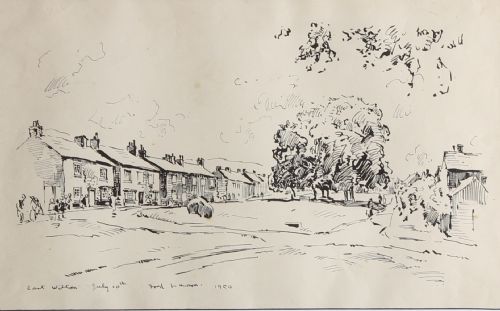
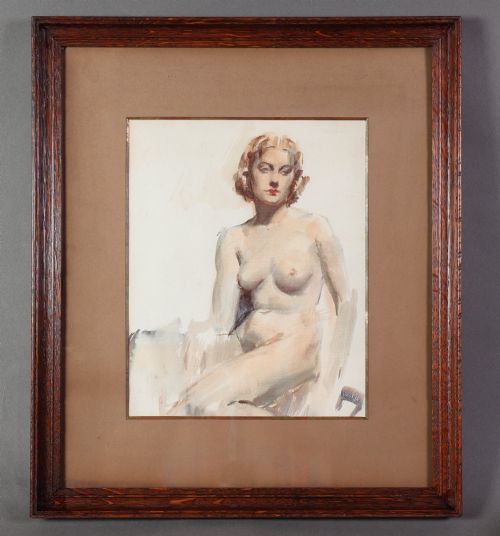
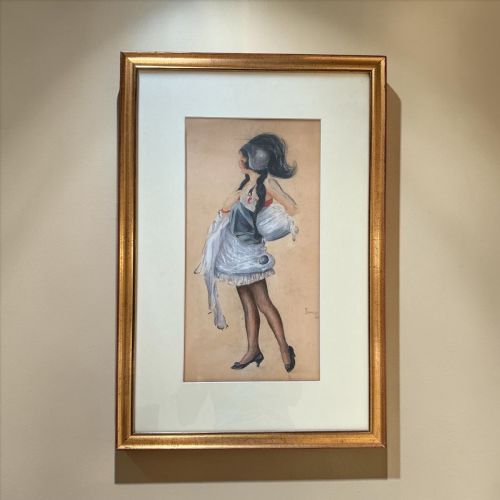
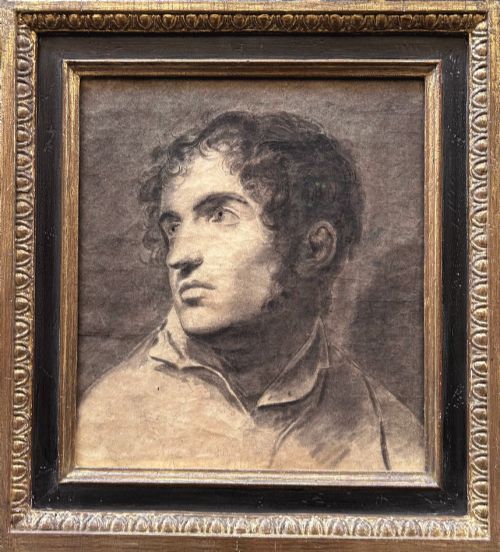
The selections span portraiture, landscape, and figure studies executed in media ranging from simple graphite to mixed watercolour. Many arrive in period timber housings with protective glass, preserving the delicate paper substrates over the decades.
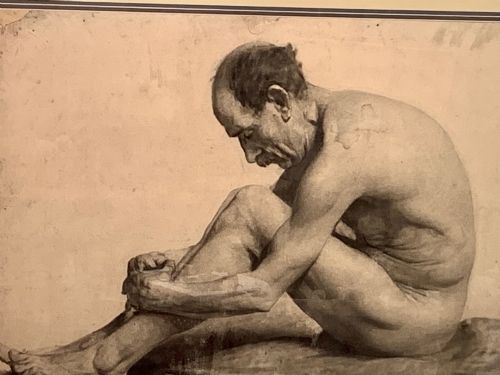
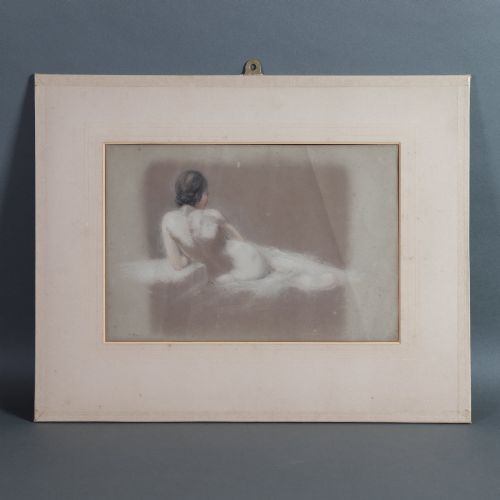
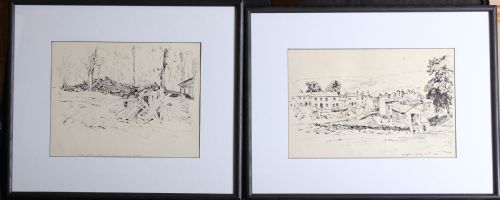
You are most likely to encounter mid-century portraits, early twentieth-century topographical views, and academic life drawings on this page. These varied pieces reflect the shifting aesthetic movements from Victorian academic realism through to modern British and continental styles.
How they were made
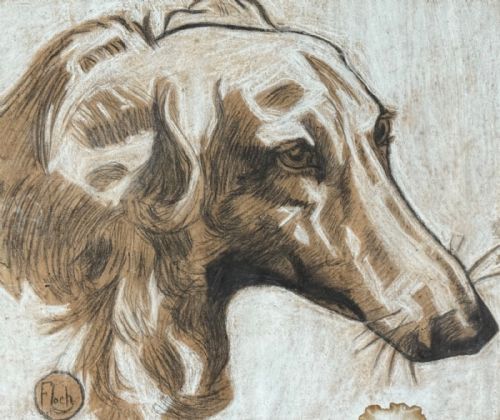
Artists relied primarily on responsive drawing materials such as graphite, charcoal, ink, and pastel applied directly to paper or buff stock. These mediums allowed for rapid execution and expressive mark-making that captured fleeting gestures or careful academic forms.
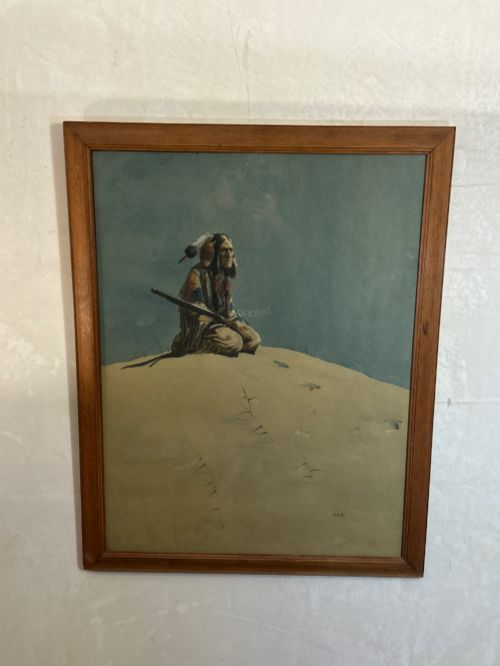
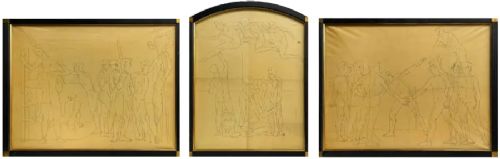
Makers housed these works behind glass within wooden frames, occasionally incorporating gilt finishes or simple walnut moulding to complement the drawing. This traditional framing protected the vulnerable paper surfaces from atmospheric moisture and handling damage.
Listings feature works on paper spanning the nineteenth century through the 1960s, utilising graphite, charcoal, ink, pastel, and watercolour.
What varies in quality
Quality rests upon the sureness of the hand and the precision of line, where confident strokes distinguish a master's preparatory study from a hesitant student exercise. A superior work demonstrates an economy of mark that conveys volume and expression with minimal effort.
The integration between the drawing and its period housing dictates the overall success of the piece, as appropriate framing enhances the visual weight of the paper. Condition also plays a role, with clean, un-foxed paper surfaces commanding greater appreciation among collectors.
John Hassall·William Etty·Fred Lawson·Augustus John·Dame Laura Knight·John Rattenbury Skeaping·Cecil Charles Windsor Aldin
The Framed Vintage Sketches Glossary
- Graphite
- A form of carbon used for drawing, producing grey or black marks that can be smudged for shading. It became widely available in pencils during the nineteenth century.
- Gouache
- An opaque water-based paint that provides solid areas of colour and highlights on paper. It often appears combined with ink or watercolour in illustrative works.
- Foxing
- Brown spots on antique paper caused by chemical reactions over time. This ageing process occurs frequently in works on paper from the nineteenth century.
- Pastel
- A drawing medium consisting of powdered pigment and a binder rolled into sticks. It creates velvety textures that require glass protection to prevent smudging.
- Support
- The physical surface, such as paper or buff board, upon which the artist executes the drawing. The weight and tone of this foundation influence the final appearance.
Framed Vintage Sketches: Frequently Asked Questions
How should I hang vintage sketches?
Keep framed works away from direct sunlight to prevent the paper and water-based pigments from fading over time. Hang them at eye level in rooms with stable humidity levels to protect the antique paper and wooden frames.
Grouping several sketches together creates an effective gallery wall, especially when the pieces share similar tonal qualities or period frames. Ensure your hanging fixings match the weight of the timber and glass assembly.
Are these drawings original artworks?
The selections consist of unique hand-drawn pieces rather than mechanical reproductions, meaning each line was laid down directly by the artist. Media such as pencil, charcoal, and ink leave physical evidence of the creator's hand on the paper.
Signatures, artist stamps, and inscriptions often accompany these pieces to confirm their origin. Examining the surface closely reveals the texture of the chalk or the pooling of ink unique to one-off creations.
What periods do these pieces span?
The inventory covers works created from the nineteenth century through the mid-twentieth century and beyond. You will find Victorian academic studies alongside modernist pieces from the 1950s and 1960s.
Stylistic shifts across these decades trace the movement from rigid academic realism towards looser, more expressive interpretations. Each era brings distinct paper types and framing conventions that help date the work.