


Framed Silhouette Miniature
A framed silhouette miniature captures likenesses in crisp profile, offering intimate glimpses of past lives through delicate paper cutting and painted glass.
Framed Silhouette Miniature
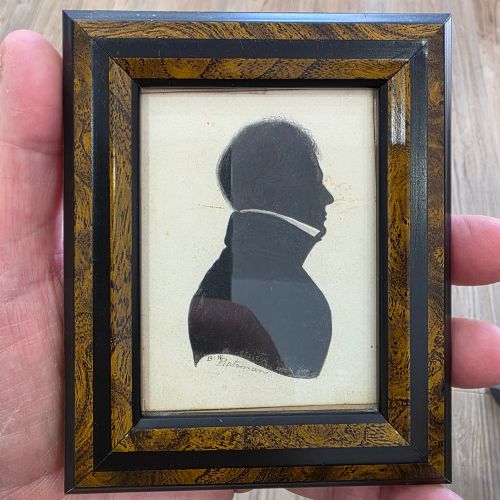
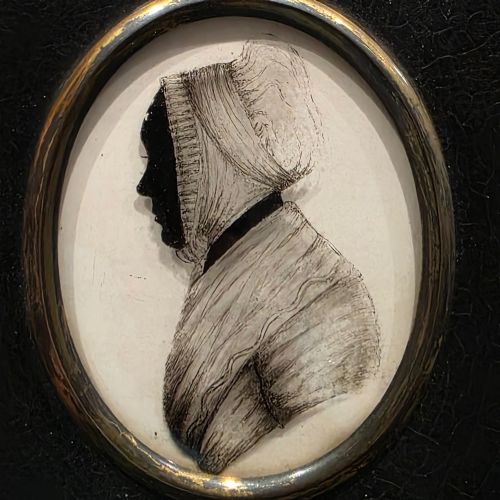
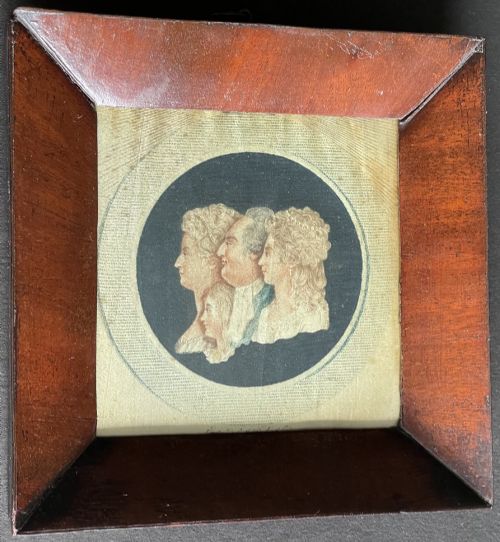
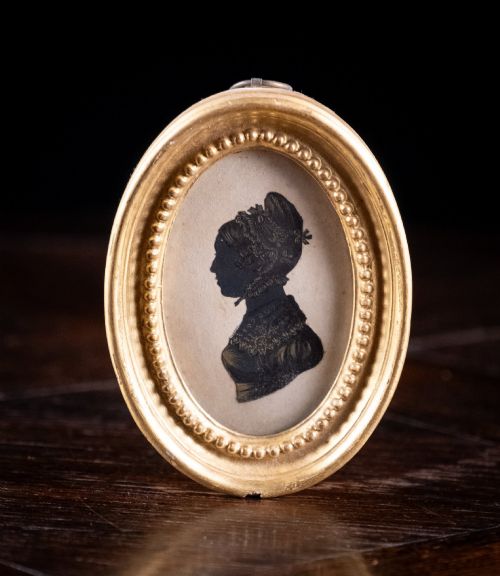
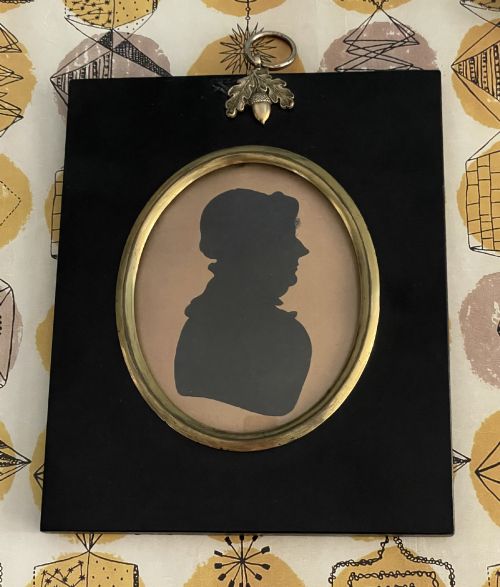
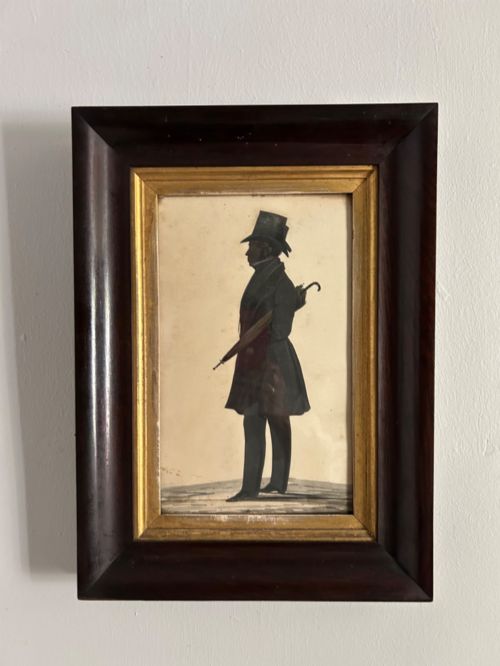
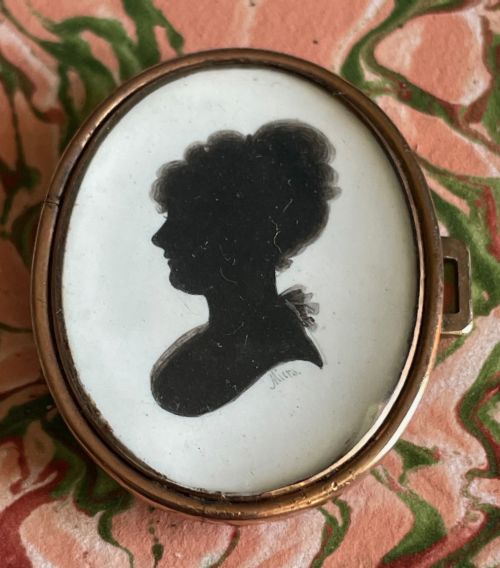
A framed silhouette miniature presents a profile likeness of a sitter, most commonly encountered from the nineteenth century, Georgian, and Regency periods. These works appear as cut paper mounted against contrasting backgrounds or as delicate paintings directly upon glass and plaster.
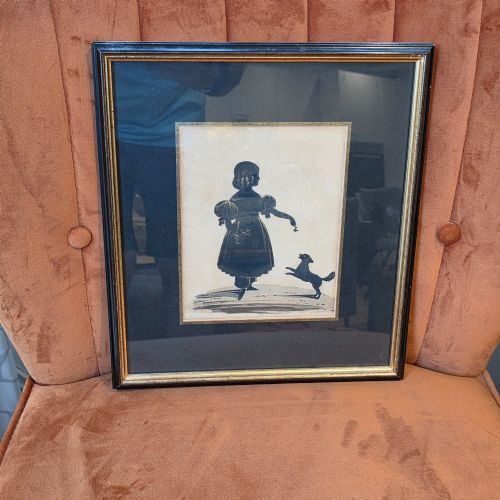
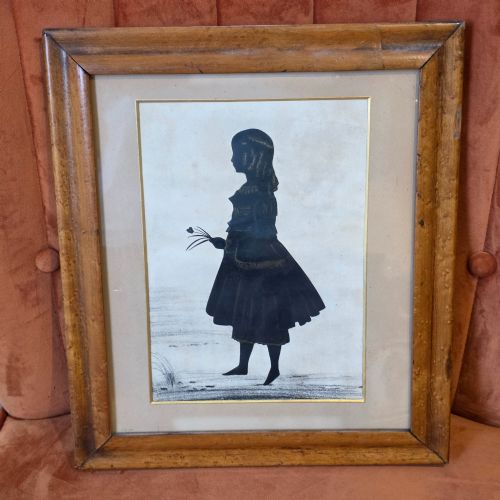
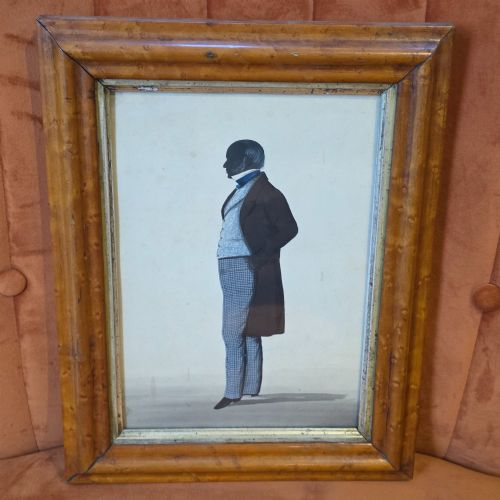
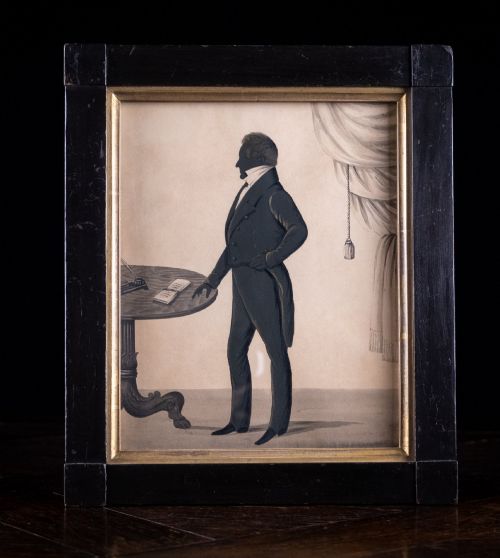
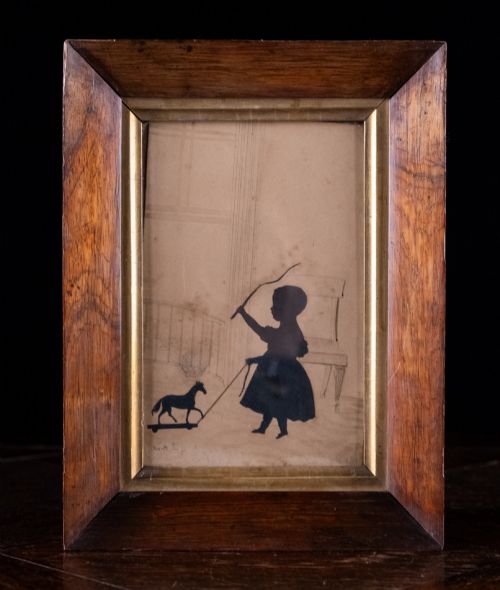
Collectors seek these framed miniature portraits for their direct records of personal appearance before the widespread adoption of photography. The forms range from head-and-shoulder profiles to full-length studies depicting sitters alongside pets or domestic objects.
Materials and Construction
Makers housed these fragile works within timber surrounds such as ebonised wood, rosewood, and brass frames, often protected by convex glass plates.
The selection includes works executed in glass, paper, brass, wood, ink, gold leaf, ebonised wood, and watercolour.
Factors of Quality
The precision of the cutting or brushwork dictates the distinction between standard profiles and superior examples. Fine execution shows in the crisp edge of a paper silhouette or the controlled delicacy of reverse painting on glass.
The presence of signature details, well-documented artist attributions, and original period framing elements elevate the significance of individual pieces within a collection.
William James Hubard·Augustin Edouart·John Miers·J. Deacon·George Atkinson
The Framed Silhouette Miniature Glossary
- Reverse painted
- A technique where the artist paints the portrait directly on the underside of a glass panel. This method leaves a glossy protective surface over the pigment.
- Ebonised wood
- Timber treated with a dark finish to resemble ebony. This material provided a dark contrasting border popular for framing profile portraits.
- Plaster
- A fine casting material used as a solid ground for early profile portraits. Artists painted directly onto this smooth white surface.
Framed Silhouette Miniature: Frequently Asked Questions
How do I identify a period frame?
Period surrounds often utilise specific timbers like rosewood or ebonised wood, coupled with small brass hanger loops and convex glass panes. These components show the hand-finished construction methods typical of Georgian and Regency workshops.
Later Victorian examples shift towards heavier mouldings and different backing papers. Examining the corner joints and the composition of the glass helps confirm the original housing of the artwork.
Were these portraits painted or cut?
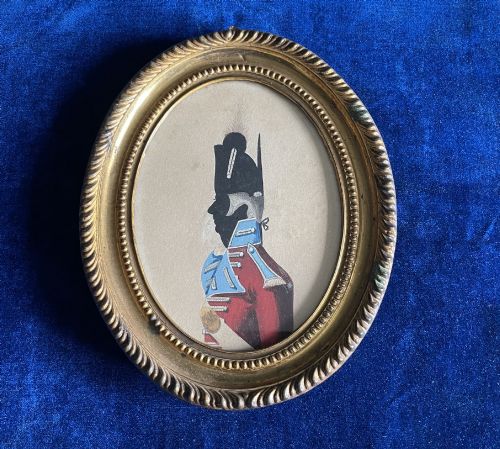
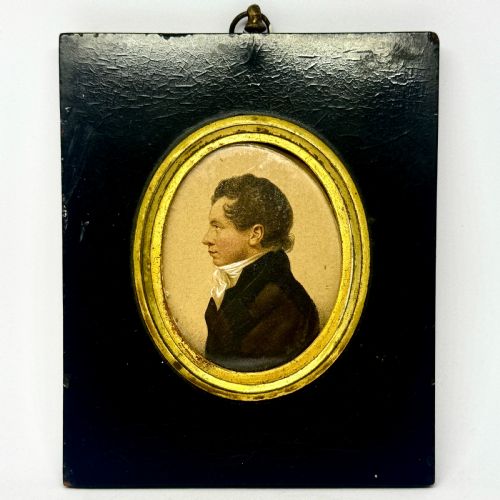
Makers employed both methods, producing some examples from hand-cut black paper and others through delicate painting with ink and watercolour. Reverse painting on glass and ink on plaster represent common alternative techniques from the eighteenth and nineteenth centuries.
Artists frequently added gold leaf highlights to both cut paper and painted profiles to accentuate collars, buttons, and hair ribbons.
How should I display these miniatures?
Hang these delicate works away from direct sunlight to protect the paper grounds, watercolours, and fugitive black inks from fading over time. Stable indoor humidity prevents timber frames from warping and protects the fragile glass.
Due to their small scale, grouping several profiles together creates a traditional gallery display reminiscent of period domestic interiors.
What subjects appear in these portraits?
The sitters include gentlemen in tailcoats, ladies wearing turban caps, children, and occasionally family pets. Full-length studies sometimes capture sitters standing outdoors or interacting with domestic furnishings.
Inscribed names, dates, or silhouette studio trade labels on the reverse frequently provide the identity of the sitter and the date of execution.