



Framed Sepia Sketch
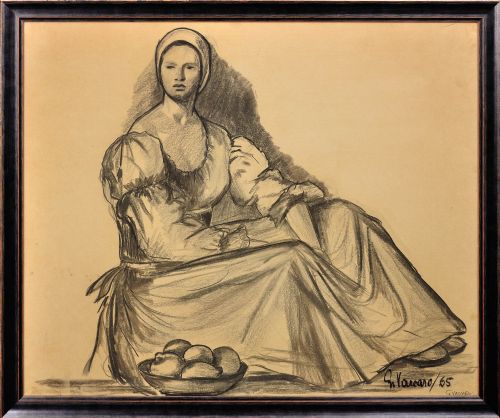
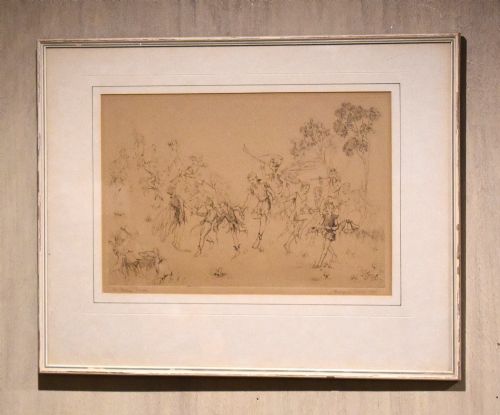
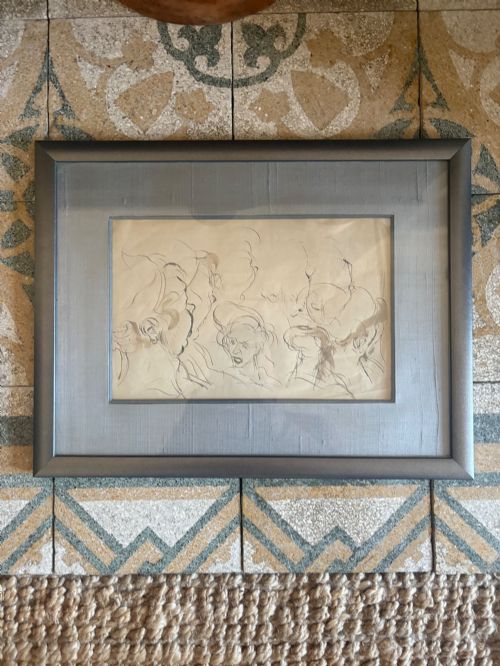
A framed sepia sketch brings monochromatic warmth and direct draughtsmanship to a wall, holding centuries of paper study in a single window.
Framed Sepia Sketch
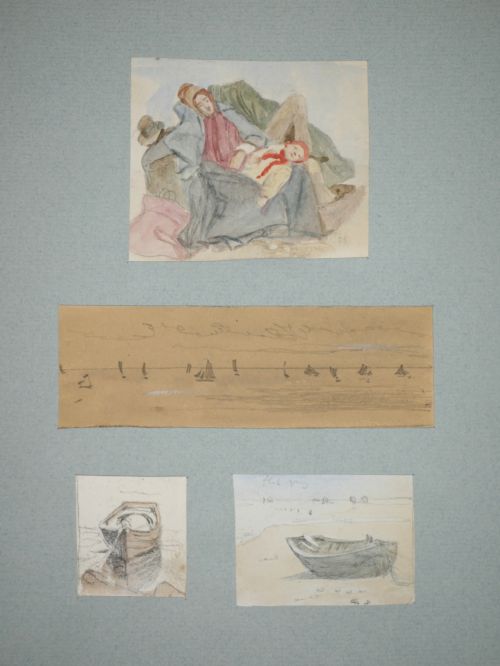
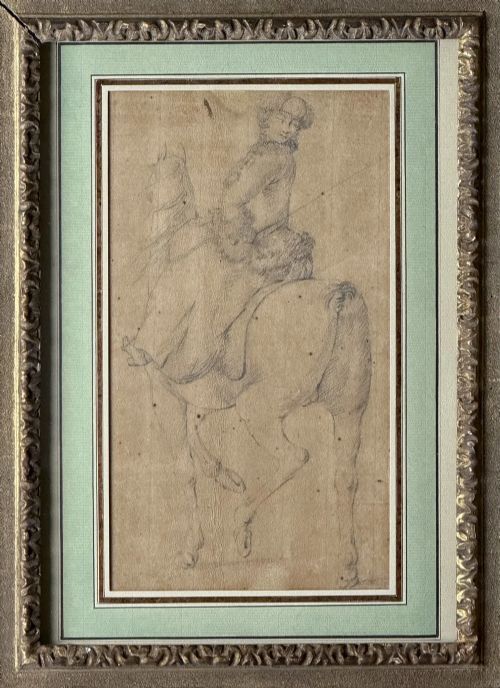
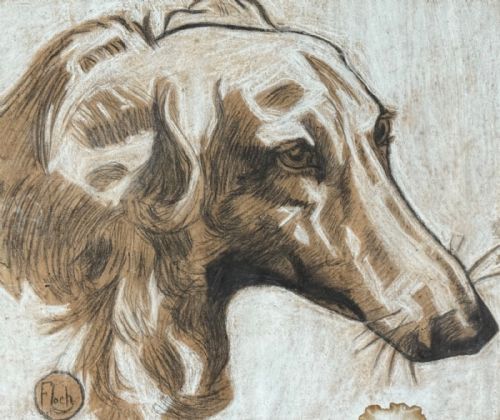
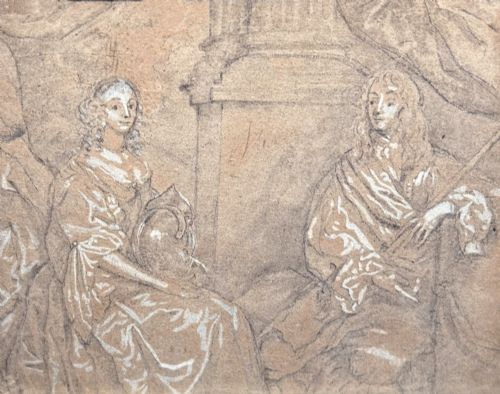
When searching for a framed sepia sketch, collectors encounter works on paper spanning from the eighteenth century through the mid-twentieth century, encompassing architectural studies, portraiture, and landscape scenes. These monochromatic works utilise ink, pencil, charcoal, and wash to achieve their characteristic warm brown tones.
The most common examples on this page date from the nineteenth century, reflecting academic training, preparatory studies, and topographical views executed in Britain and continental Europe. Each piece is preserved behind glass within a wooden frame, maintaining the delicate paper surfaces against atmospheric degradation.
Materials and execution
These works rely primarily on paper supports, ranging from buff paper to heavier watercolour sheets, upon which artists applied graphite, charcoal, pen and ink, or wash. The brownish monochrome palette known as sepia was achieved through iron gall or sepia inks, alongside graded washes of watercolour and chalk.
Framing serves a protective function, enclosing the fragile works behind glass within wood mouldings to shield the organic pigments and paper fibres from light and handling.
Framed Sepia Sketch Retail Price Guide 2026
Typical asking prices for framed sepia sketch among the pieces listed under this phrase on Sellingantiques today, from the lower quarter to the upper quarter. They describe what is for sale here now, not the wider market.
Several drawings preserve the youthful hand of seventeen-year-old apprentices learning royal palace architecture.
Separating grades of work
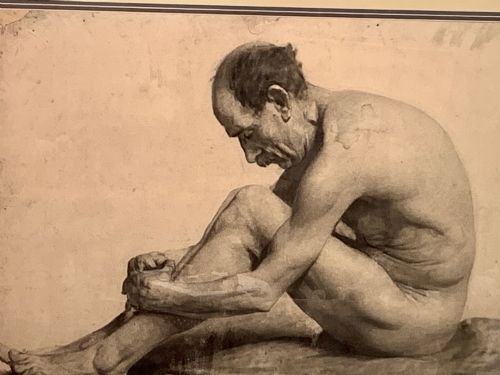
Quality rests upon the sureness of the draughtsmanship and the purpose of the sheet, distinguishing rapid preparatory notations from finished academic life studies or detailed topographical watercolours. The confidence of the line and the anatomical or architectural precision reveal the hand of a trained artist.
The preservation of the paper and the integrity of the monochrome tones also govern the standing of a piece, separating crisp, stable ink and wash compositions from heavily faded or acidic sheets.
James Smetham·Alfred Dehodencq·Hercules Brabazon Brabazon·Pio Panfili·Fred Lawson·Thomas Lound
The Framed Sepia Sketch Glossary
- Sepia
- A dark brown pigment originally extracted from the ink sac of the cuttlefish, widely used for monochrome drawings and washes.
- Wash
- A diluted layer of ink or watercolour applied evenly across paper to create shadow, depth, or tonal background in a sketch.
- Academic study
- A detailed drawing or painting executed as part of an artist's rigorous training, frequently focusing on the human figure or classical architecture.
- Preparatory study
- A preliminary sketch made by an artist to plan composition, lighting, or details prior to executing a larger finished work.
Framed Sepia Sketch: Frequently Asked Questions
What periods do these sketches cover?
The works span from the eighteenth century through to the mid-twentieth century, capturing shifting aesthetic movements across European and British art.
Nineteenth-century academic and topographical pieces form a particularly strong presence among the available selections.
How should I care for a paper sketch?
Keep works behind glass away from direct sunlight to prevent the fading of ink, pencil, and watercolour pigments on the paper.
Maintain stable indoor humidity levels to protect both the fragile paper supports and the wooden frames enclosing them.
Are these works original or printed?
The listings consist of original hand-drawn or hand-painted works on paper, executed directly in media such as ink, charcoal, and pencil.
Each piece represents a unique historical record of draughtsmanship rather than a modern reproduction.
What subjects typically appear in these drawings?
Common subjects include architectural elevations, landscape studies, maritime scenes, and anatomical or life figure drawings.
Many sheets reflect the travel records and instructional exercises common to academic training during the nineteenth century.