


Framed Rural Artwork
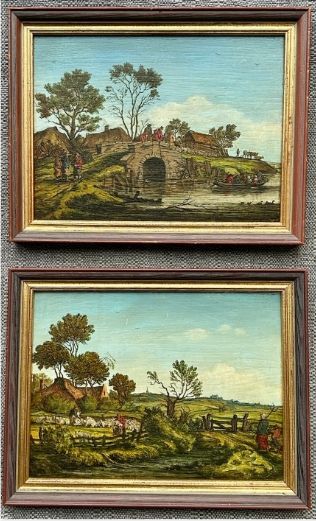
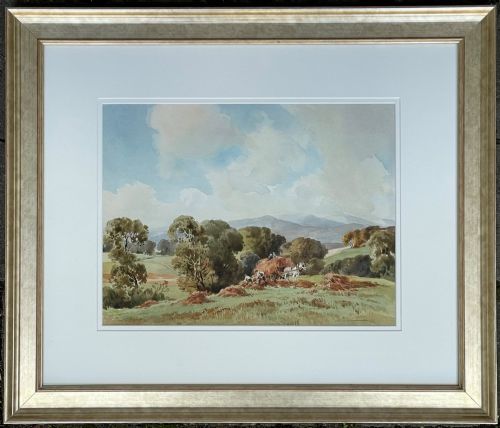
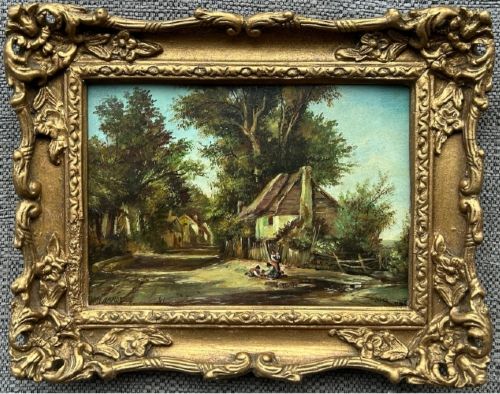
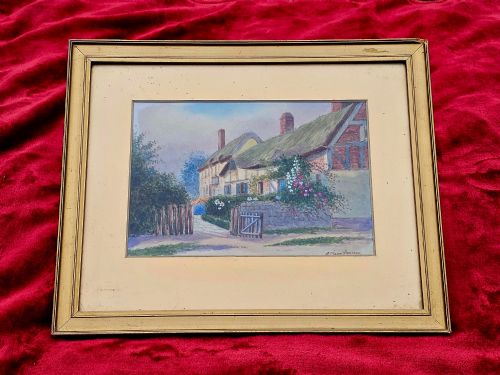
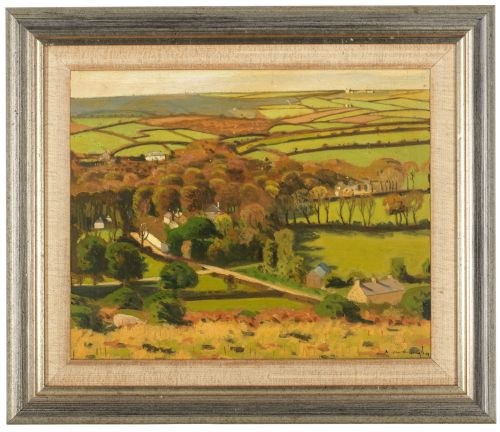
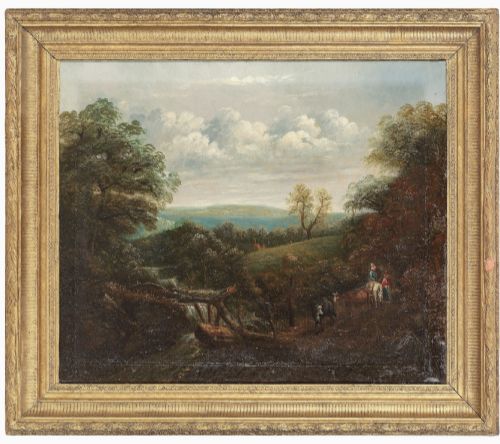
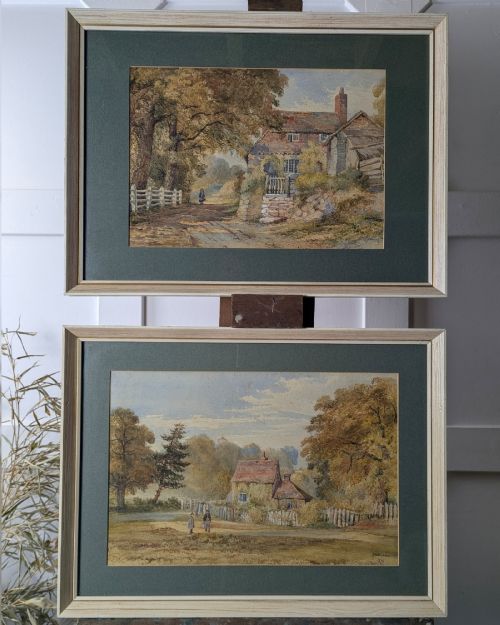
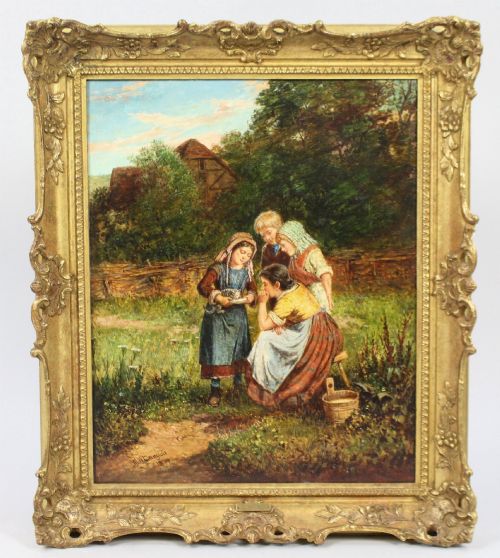
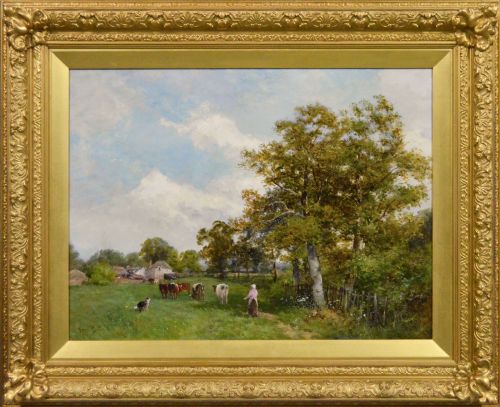
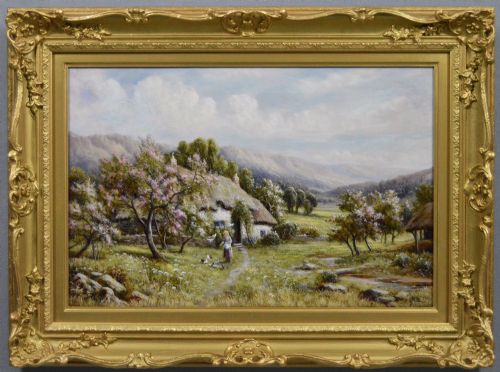
Framed rural artwork brings together pastoral landscapes, farmyards, and village life through oils and watercolours set in wood and gilt frames.
Framed Rural Artwork
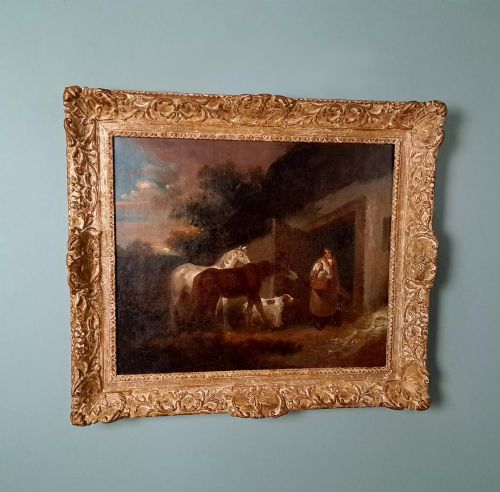
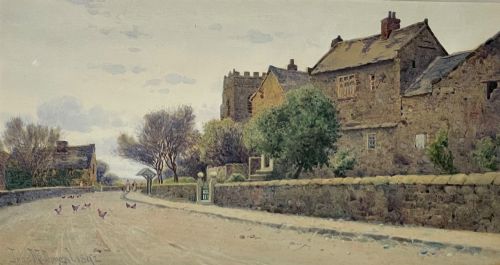
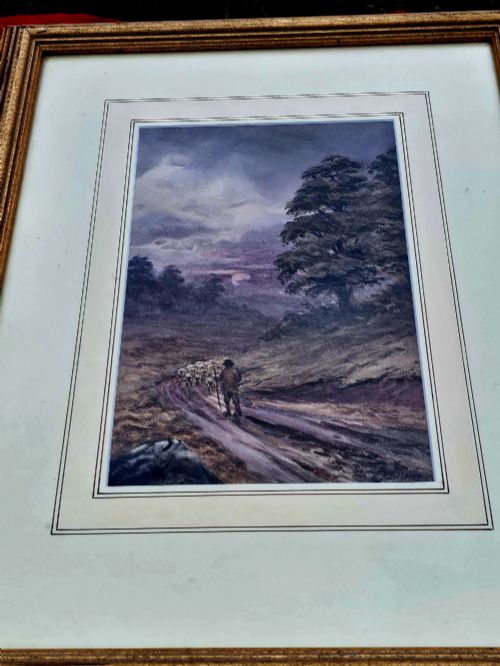
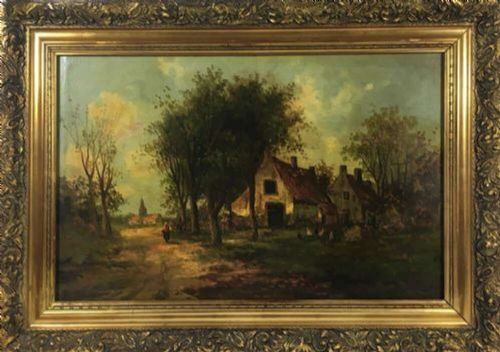
When you search for framed rural artwork, you encounter pastoral scenes depicting farmyards, cottages, horses, and harvest fields from the nineteenth and twentieth centuries.
The most common examples on this page are oil paintings on canvas or panel and watercolours on paper, encased in traditional wooden and gilt frames.
These pieces encompass Victorian realism, Edwardian watercolours, impressionism, and mid-century British landscapes, recording rural life across generations.
How they were made
Artists painted these rural subjects using oil paint on canvas, board, and wood panels, or applied watercolour onto paper.
Finished works were mounted behind glass for watercolours or left open for oils, then housed in bespoke wood and gilt wood frames.
Listings feature works created on canvas, paper, wood panels, and card.
What varies in quality
Quality rests in the precision of brushwork, the handling of light in harvest and farmyard scenes, and the fidelity of anatomical detail in equine and livestock portrayals.
The sophistication of the original wood or gilt framing and the preservation of the paper, canvas, or wood panel significantly influence the standing of each piece.
W Klombeck·Percy Lancaster·William Howard Hardy·A Marie Parsons·William Joseph Shayer Senior·John McDougal·EJ Letheren·Robert Morson Hughes·Robert A Nottingham·Mark William Langlois·David Bates·Robert John Hammond·Charles Houben·Walter Heath Williams·Robert W Macbeth·John Horace Hooper·George Augustus Holmes·Raymond Booth·Frederick Walker·Eric Brown·Ernest Higgins Rigg·George Oyston·Frederick James Kerr·Edgar Hunt·John Bond
The Framed Rural Artwork Glossary
- Oil on Canvas
- Pigments bound in drying oil applied to a woven fabric support stretched over a wooden frame. This medium allowed artists to build rich, textured layers of colour.
- Watercolour
- A painting method where coloured pigments are suspended in a water-soluble binder on paper. It creates transparent washes well-suited to atmospheric skies and open countryside.
- Gilt Wood
- Timber frames coated with a thin layer of gold leaf or metallic gilt finish. They provide traditional decorative borders that complement pastoral scenes.
- Panel
- A flat piece of wood used as a rigid painting support instead of canvas. Artists frequently utilised wooden panels for smaller, detailed landscape studies.
- Impressionism
- A nineteenth-century style characterised by relatively small, thin yet visible brush strokes and an emphasis on accurate depiction of light. This approach captures fleeting moments in rural settings.
Framed Rural Artwork: Frequently Asked Questions
What periods do these rural artworks come from?
The listings span from the late eighteenth century through the Victorian and Edwardian eras up to the mid-twentieth century. Most examples date across the nineteenth and early twentieth centuries.
During this time, artists frequently turned to British and European countryside scenes for their subjects. The selection captures evolving styles from traditional realism to impressionist watercolours.
How should I display framed rural artwork at home?
These pieces suit traditional country interiors, studies, and living spaces where wooden furniture and natural light predominate. Match the frame finish to existing room accents.
Keep paintings away from direct sunlight and damp walls to protect the canvas, paper, and gilt wood frames. Proper placement preserves both the paint and the original housing.
What is the difference between oil paintings and watercolours here?
Oil paintings utilise oil-based pigments on canvas, board, or wood panels, often displaying thicker textures and deeper colour saturation. They are typically displayed without glass.
Watercolours are executed on paper and require protective glass framing to prevent moisture damage. They generally offer a lighter, more transparent feel compared to oils.
Can I identify the specific region shown in a landscape?
Some titles and signatures note exact locations such as Cornwall, Sussex, or Yorkshire, while others depict general Flemish, Irish, or British rural life. Local landmarks or village names occasionally appear in the documentation.
Where location details are absent, the style and regional school often provide clues to the setting. Artists frequently recorded specific farms, cottages, and harvest fields.