

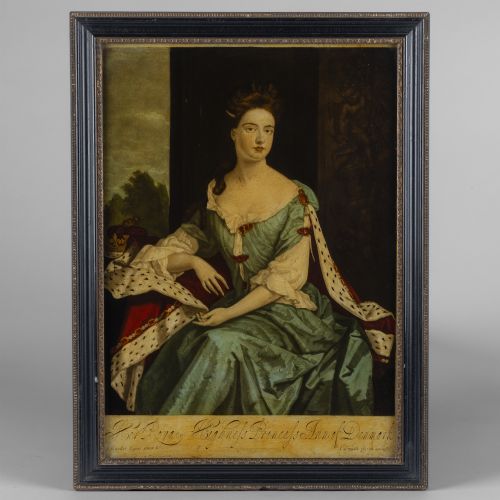
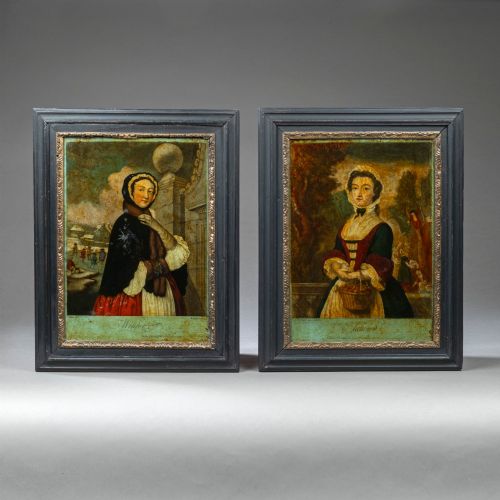
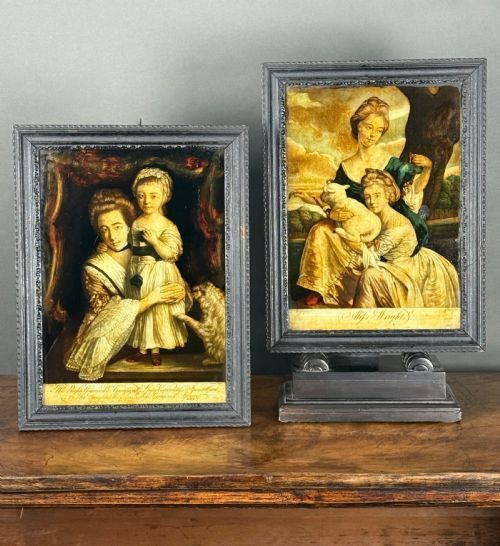
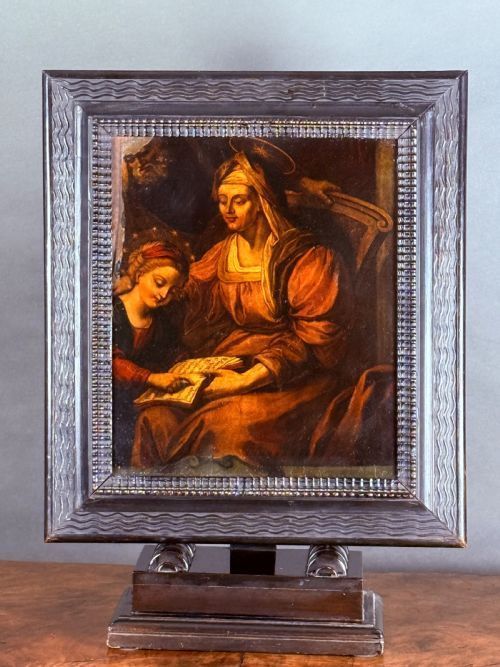
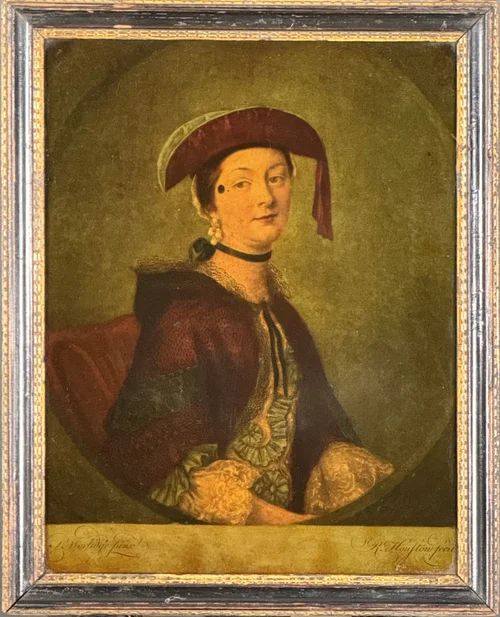

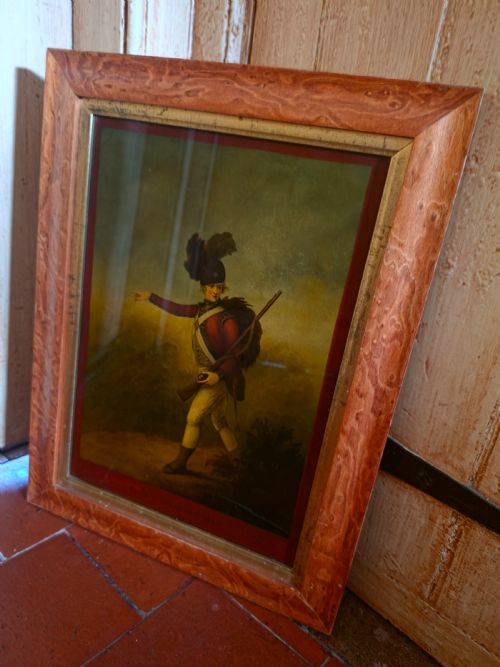

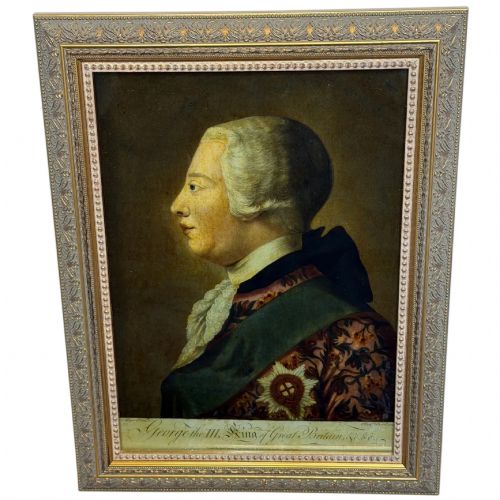

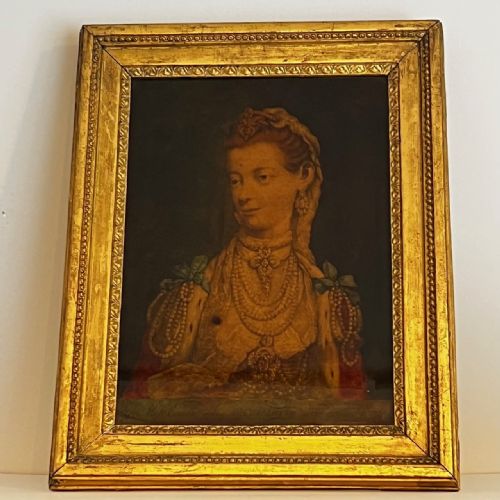

Framed Reverse Print
A framed reverse print applies pigment directly to the back of glass, creating a brilliant, glossy surface view.
Framed Reverse Print
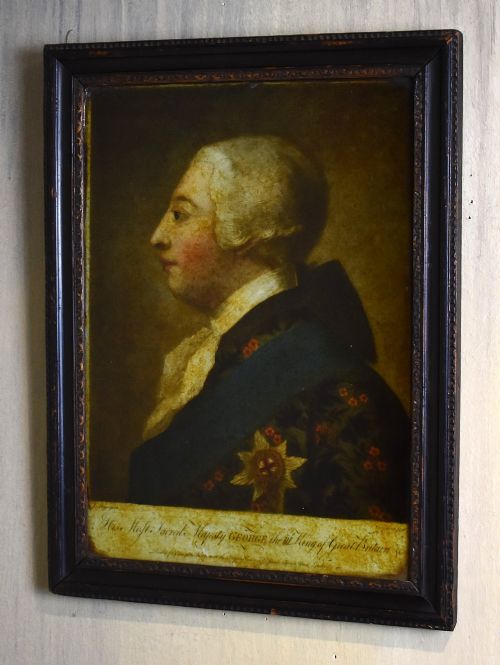
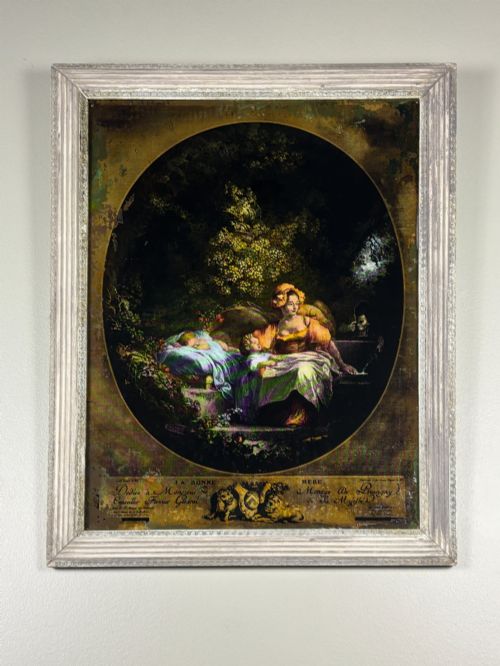
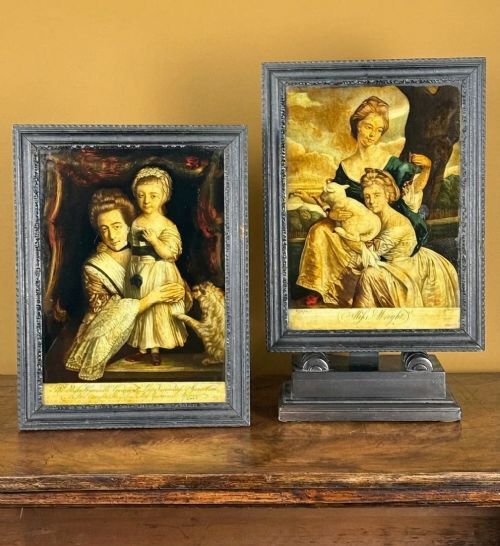
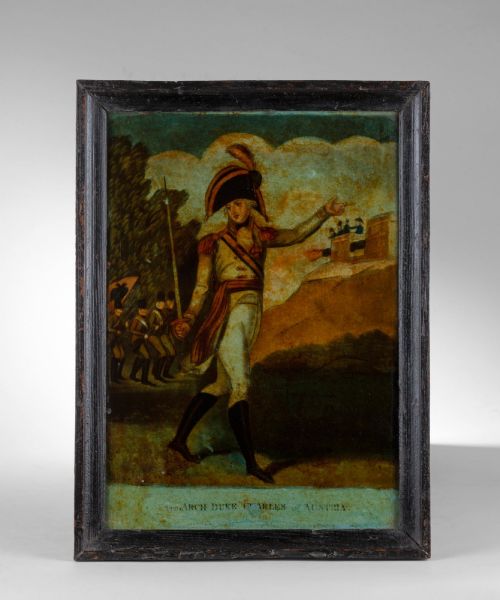
A framed reverse print presents an image transferred and painted on the underside of a glass plate, protecting the delicate pigments from atmospheric dirt and damage. When collectors seek a framed reverse print, they encounter historical works spanning the seventeenth through the nineteenth centuries, capturing royal portraits, allegorical scenes, and naval engagements.
The dominant examples on this page hail from the Georgian and Regency periods, frequently taking the form of mezzotints or hand-coloured engravings fixed within original wooden frames. These pieces merge graphic art with glass painting, offering a glossy visual depth that standard paper prints lack.
Makers and publishers produced these works to adorn domestic walls with classical subjects, seasonal allegories, and likenesses of monarchs such as King George III and Queen Charlotte. Later Victorian iterations include crystoleoms, which build up layered colour behind convex glass to achieve a three-dimensional photographic effect.
Materials and Technique
Artisans executed a framed reverse print by first adhering a printed engraving face-down onto a clean sheet of glass using a clear varnish or gum. Once the adhesive dried, they rubbed away the paper backing until only the ink lines remained bonded to the glass surface.
Painters then applied oil paint, water-colour, or gold leaf directly to the back of the lines, working backwards from the foreground details to the background layers. This requires immense precision, as any mistake made on the first application remains visible from the front.
Finished plates were secured into wooden frames, often constructed from maple or gilded moulding, sometimes incorporating mirrors or divided sections to display the artwork alongside reflective glass.
Framed Reverse Print Retail Price Guide 2026
Typical asking prices for framed reverse print among the pieces listed under this phrase on Sellingantiques today, from the lower quarter to the upper quarter. They describe what is for sale here now, not the wider market.
Listings feature Georgian and Regency reverse glass prints alongside Victorian crystoleoms, utilising paper, pigment, gold leaf, and oil paint within wood frames.
Assessing Quality and Execution
Quality in a framed reverse print rests upon the fineness of the original engraving lines and the skill of the pigment application. Superior examples display subtle shading and vibrant hand-colouring that enhances the underlying mezzotint without obscuring the detail.
The integrity of the glass and the preservation of the original backing boards heavily influence desirability. Pieces that retain their early or original wooden frames without significant flaking or lifting of the pigment command greater appreciation among collectors.
Charles Spooner·Richard Purcell·Schweninger
The Framed Reverse Print Glossary
- Mezzotint
- A printmaking process of the intaglio family where the plate is roughened uniformly to produce rich dark tones. This technique provided the detailed tonal foundation transferred onto glass.
- Crystoleum
- A Victorian method of applying coloured paints to a transparent photograph mounted face-down on glass. Artisans thinned the paper and added further pigments behind it to create depth.
- Reverse glass painting
- The practice of applying paint directly to the underside of a glass pane to be viewed from the clean side. It eliminates the need for surface varnish.
- Gilt
- A thin application of gold leaf or gold paint used to highlight frame mouldings or specific areas within the picture. It catches the ambient light in domestic interiors.
Framed Reverse Print: Frequently Asked Questions
What is a reverse glass print?
A reverse glass print is an artwork where an engraved image is transferred face-down onto glass and hand-painted from behind. This method protects the pigment and produces a distinctive glossy finish.
Viewers see the finished picture through the smooth front of the glass plate, which intensifies the colours and gives the work a luminous quality.
How do I care for these pieces?
Keep the artwork away from direct sunlight to prevent the pigments and paper adhesives from fading or degrading over time. Avoid using liquid cleaners on the glass surface to prevent moisture seeping behind the plate.
Dust the wooden frame gently with a dry cloth and ensure the hanging environment remains stable in temperature and humidity.
How do I date a piece?
Dating relies on stylistic clues within the portraiture, costume, and the construction methods of the accompanying wooden frame. Georgian and Regency pieces often feature specific monarchs or classical allegories popular during those reigns.
Victorian crystoleoms typically display photographic bases rather than ink mezzotints, marking a distinct technological shift in later nineteenth-century production.
Were they used as mirrors?
Some configurations combined a reverse glass print with a mirror plate within a single divided wooden frame. These dual-purpose wall pieces served both decorative and practical functions in period interiors.
Other examples functioned purely as wall art, hung in parlours and halls to display patriotic or sentimental subjects.