






Framed Racing Painting
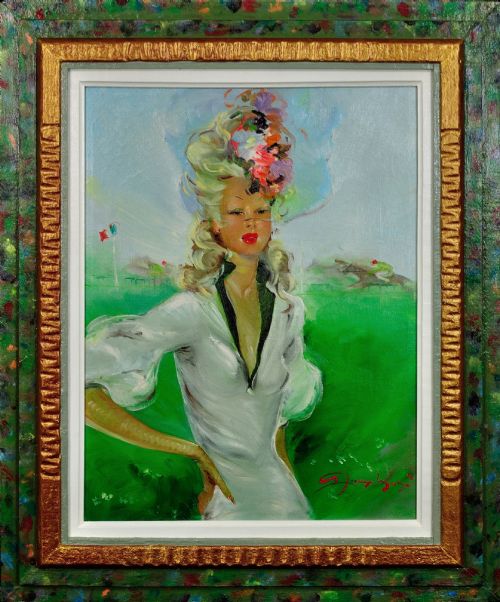
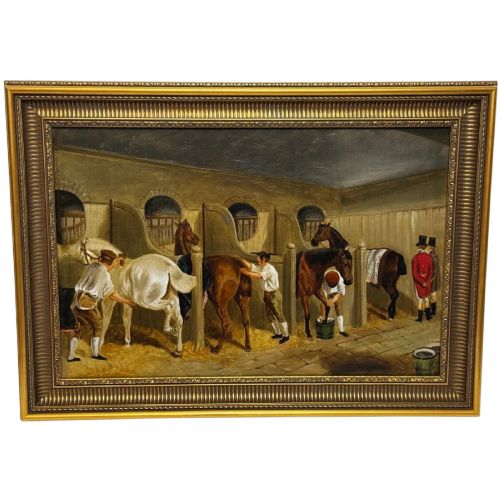
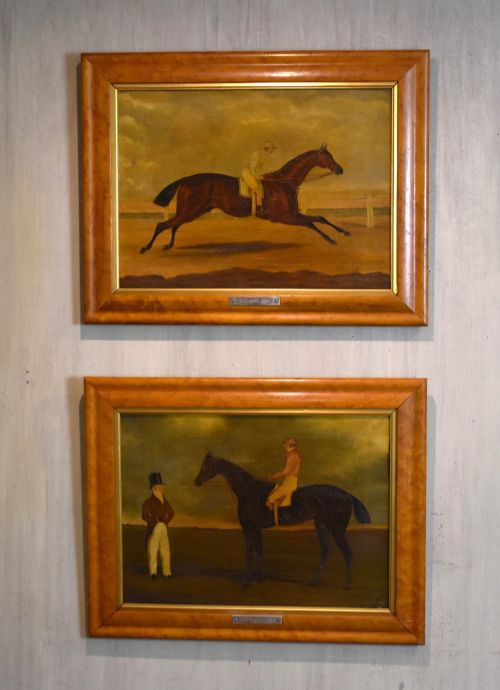
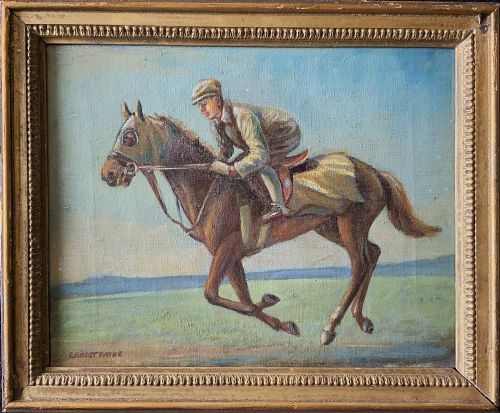
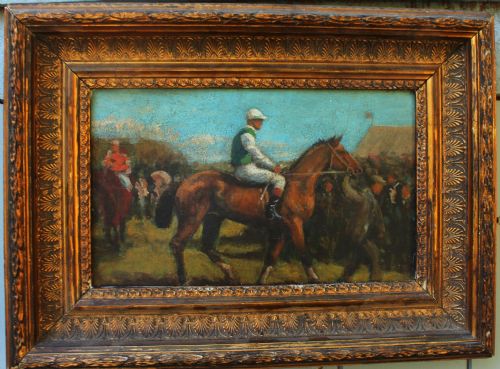
Every framed racing painting captures the tension of the turf, from Victorian racehorse portraits to mid-century French paddock scenes.
Framed Racing Painting
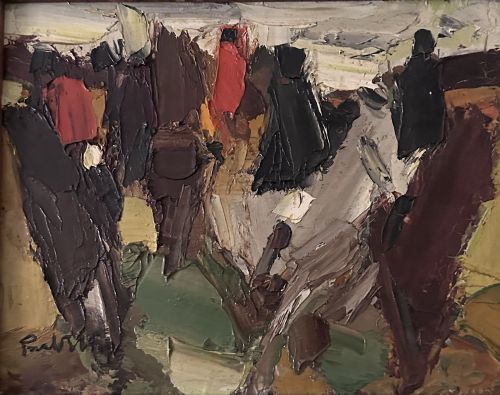
A framed racing painting brings the speed and pageantry of the turf onto the wall through a variety of historical formats. Buyers exploring this category encounter everything from Victorian oil portraits of named champions and jockeys to 1930s realisms and 1960s expressionist paddock studies.
The selection ranges widely across eras, spanning 19th-century canvases, Edwardian works, and mid-century gouache or oil pieces. Subjects extend from classic British racehorse studies to French racing scenes at Longchamp and endurance motor racing at Le Mans.
Traditional framing remains a defining feature, frequently pairing oil on canvas, watercolour, or reverse glass painting with period wood and gilt surrounds. These works serve as historical records of notable owners, famous mounts, and specific tracks from Colombo to Newmarket.
Materials and Techniques
Artists working within this tradition primarily utilised oil on canvas, watercolour, and gouache to render the musculature of horses and the motion of the track. Many examples also employ paper supports and reverse glass painting techniques to achieve distinct surface textures and depths.
Framing traditionally involves moulded wood finished with gilt layers or plain painted surrounds to complement the palette of the artwork. These protective enclosures range from simple period mouldings to ornate Victorian frames that match the sporting context of the subject.
Framed Racing Painting Retail Price Guide 2026
Typical asking prices for framed racing painting among the pieces listed under this phrase on Sellingantiques today, from the lower quarter to the upper quarter. They describe what is for sale here now, not the wider market.
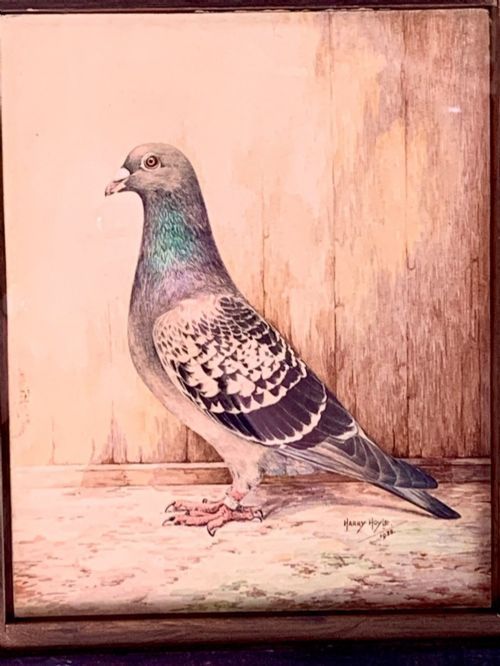
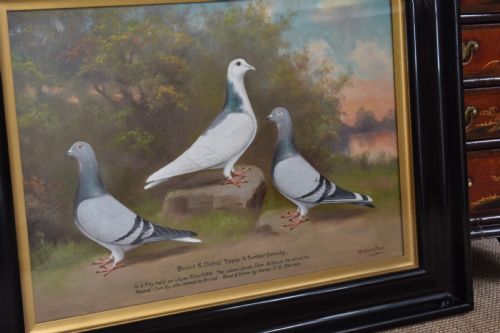
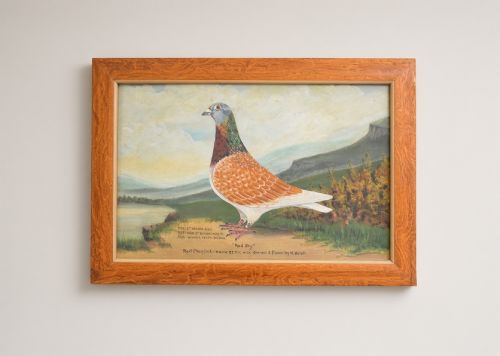
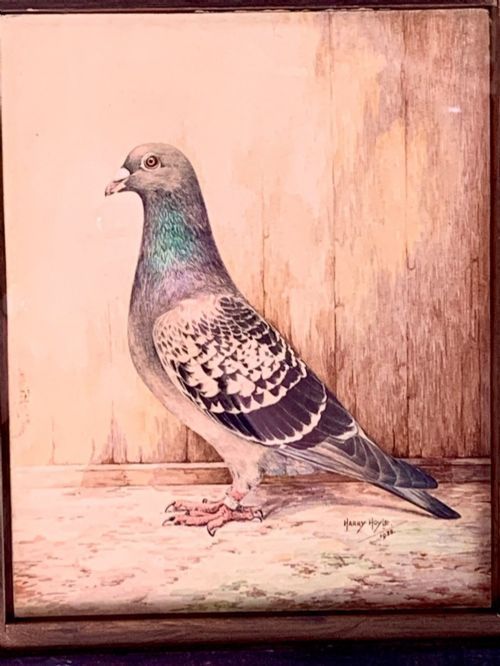
Pigeons share the turf with thoroughbreds here, proving that racing speed comes in both feathered and four-legged varieties.
Qualities of Execution
The distinction between standard decorative works and finer examples rests upon the anatomical precision of the horse and the handling of the atmosphere. Superior pieces demonstrate a confident command of movement in the figures and a specific rendering of contemporary jockeys, colours, and course details.
Provenance and attribution elevate certain works, particularly when the painting identifies named horses, historic owners, or documented tracks. The integrity of the original gilt wood framing and the stability of the canvas or paper support further define the standing of any given piece.
William Powell Frith·Ernest Payne·John Frederick Herring Snr·Alfred Munnings·John Rattenbury Skeaping·Gabriel Dauchot·Alfred Wheeler·John Atkinson·Isaac Cullin·Charles Johnson Payne Snaffles·Dion Pears·John Parker Davis
The Framed Racing Painting Glossary
- Oil on canvas
- A painting medium where pigments suspended in drying oils are applied to stretched fabric. This technique allows for rich colour blending and layered textures.
- Reverse glass painting
- An artistic process where the image is applied directly to the back of a glass pane and viewed from the front. This method yields a glossy, protected surface finish.
- Gouache
- An opaque water-based paint medium containing pigment and a binding agent. It provides flat areas of bright colour alongside watercolour washes.
- Victorian sporting art
- A genre of 19th-century painting dedicated to equestrian sports, racing, and field pursuits. These works often record specific racehorses and historical race meetings.
Framed Racing Painting: Frequently Asked Questions
What periods do these paintings cover?
The works span from the 19th century through the Victorian and Edwardian eras into the mid-20th century. Individual pieces reflect the artistic styles of their respective decades, including British realism and French expressionism.
This broad chronological range allows collectors to select works ranging from early Victorian race portraits to dynamic 1960s trackside scenes.
How do I identify the subject of a racing painting?
Many works include inscriptions on the canvas or frame identifying the winning horse, the jockey, the owner, and the racecourse. Details such as specific racing silks often point towards historical racing archives.
Studying the costume of the jockey and the style of the horse helps narrow down the probable decade and geographical location of the race.
What is reverse glass painting?
Reverse glass painting involves applying paint directly to the rear side of a glass sheet so the finished image is viewed through the front. This technique protects the pigments from dust and fading while producing a distinctive sheen.
Equestrian scenes executed in this manner offer a smooth, luminous alternative to traditional canvas supports.