


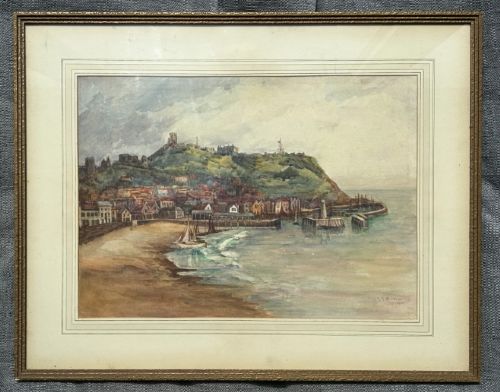


Framed Paper Marine Painting
Framed paper marine paintings capture coastal harbours and naval vessels on delicate supports preserved beneath glass.
Framed Paper Marine Painting
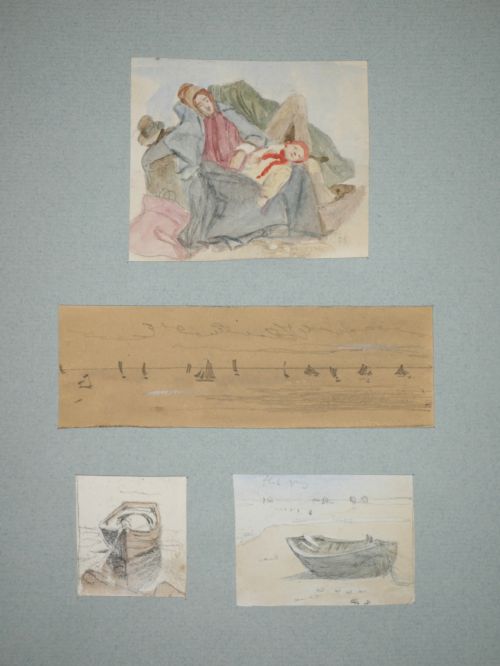
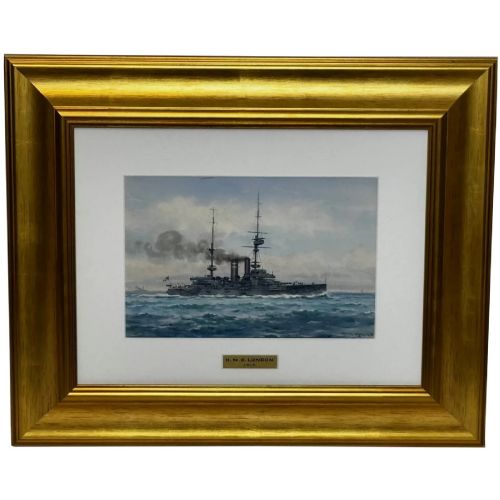
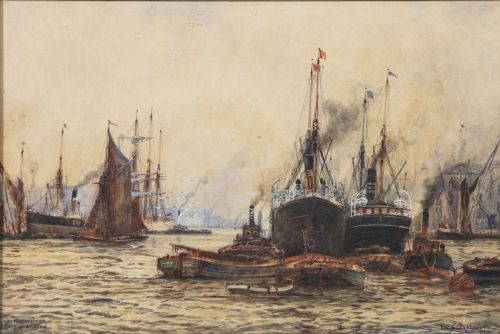
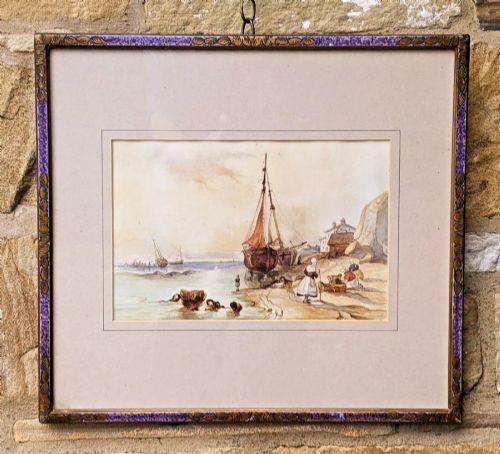
A framed paper marine painting presents watercolour or ink artwork depicting ships, coastal inlets, and tidal harbours. These pieces span the Victorian, Edwardian, and mid-century periods, capturing maritime activity from fishing boats to naval vessels.
The works typically employ watercolour pigment and ink on paper supports, preserved behind protective glass within wooden frames. Most examples originate from British artists recording domestic ports and European waterways during the nineteenth and early twentieth centuries.
Materials and techniques
Artists relied primarily on watercolour paint and ink applied directly to paper substrates. These delicate water-soluble pigments required careful glazing to protect the surface from moisture and atmospheric degradation over time.
Wood provided the structural housing for these watercolours, enclosing the paper sheet alongside glass to form a sealed display unit. Many compositions incorporate fine ink linework beneath transparent washes of pigment to define rigging, hulls, and architectural stonework.
The available listings feature works executed in watercolour, ink, and gouache on paper supports, spanning the Victorian period through to the mid-twentieth century.
Indicators of quality
Quality rests upon the artist's handling of light and maritime atmosphere, where confident brushwork conveys movement in water and sky. Master painters achieve depth and transparency without overloading the paper with heavy pigment.
The preservation of the paper support directly influences the integrity of the painting. Strong pieces retain vibrant pigments without excessive fading or foxing, housed within period wooden frames that complement the artwork.
James Orrock·James Smetham·Frank Watson Wood·Frank William Scarbrough·Thomas Bush Hardy·John McDougal·Samuel Owen·S. J. Lamorna Birch
The Framed Paper Marine Painting Glossary
- Watercolour paint
- A medium consisting of coloured pigments suspended in a water-soluble vehicle, applied to paper to create transparent washes of colour.
- Works on paper
- A classification encompassing artistic creations executed on paper supports, including watercolours, drawings, and ink sketches.
- British Impressionism
- An artistic approach focusing on light and everyday subjects, visible in coastal scenes capturing transient weather and open water.
- Foxing
- Brown spots and discolouration that develop on older paper due to chemical reactions over time.
Framed Paper Marine Painting: Frequently Asked Questions
How should I display framed paper marine paintings?
Keep these watercolours away from direct sunlight to prevent the pigments from fading and the paper from yellowing. Maintaining a stable indoor climate protects the paper support and wooden frame from humidity fluctuations.
Position the paintings at eye level on interior walls where artificial lighting remains subdued. Avoid placing them near heat sources that could dry out the wood and paper components.
What subjects appear in these marine paintings?
The compositions frequently feature bustling fishing harbours, tidal inlets, and coastal landscapes along British shores. Naval vessels, sailing ships at sea, and European canal scenes also recur across the various periods.
Artists documented specific locations such as Whitby, Scarborough, and Portsmouth, alongside international ports. These scenes record working maritime life and coastal architecture from past centuries.
How do I identify the date of a paper marine painting?
Examine the signature, inscriptions, and framing style for clues regarding the period of creation. Many nineteenth and early twentieth-century works carry artist signatures or dates written directly on the paper surface.
Stylistic elements also indicate the era, shifting from detailed Victorian maritime art toward looser Edwardian and British Impressionist interpretations. Paper types and backing materials often provide additional chronological context.
Are these paintings original artworks?
The listings consist of original hand-painted watercolours and ink drawings executed directly onto paper by individual artists. Each piece represents a unique creation rather than a mechanical print or reproduction.
Signatures, brushstroke textures, and variations in pigment density confirm the hand-rendered nature of these works. Collectors value these historical pieces for their direct connection to the artist's hand.