
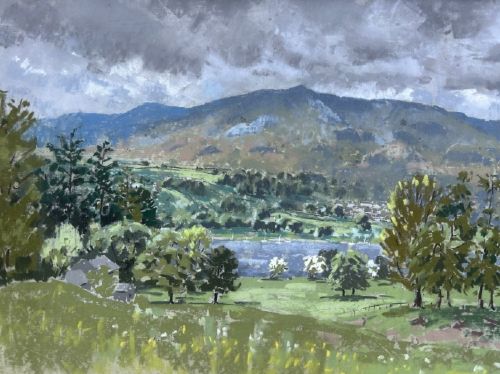
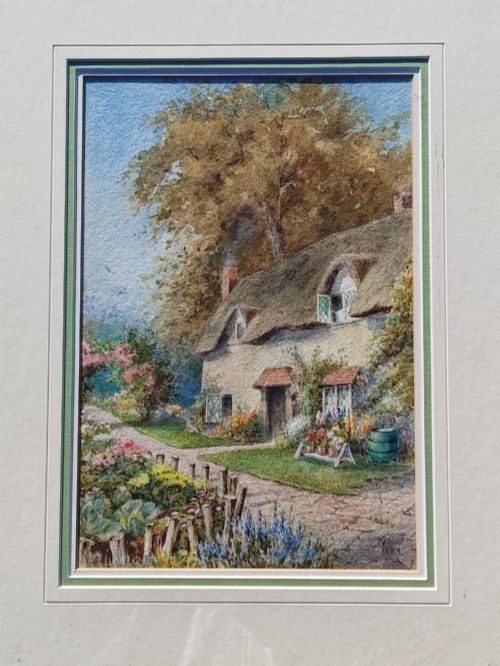
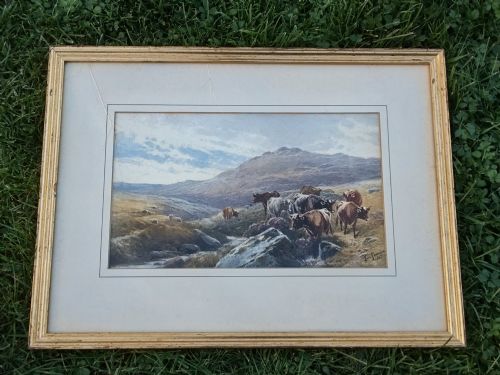
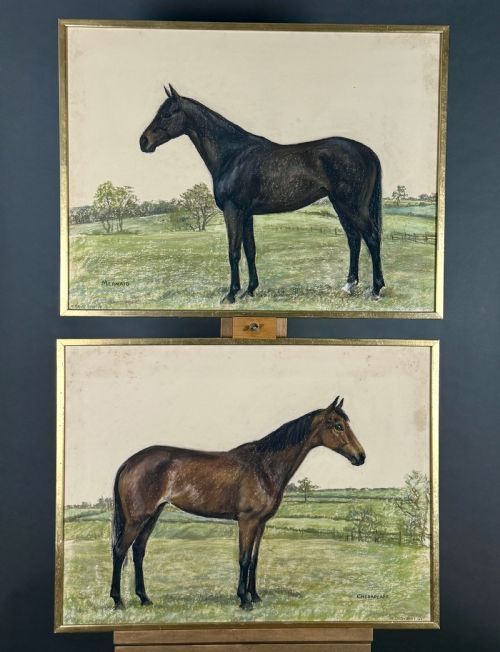
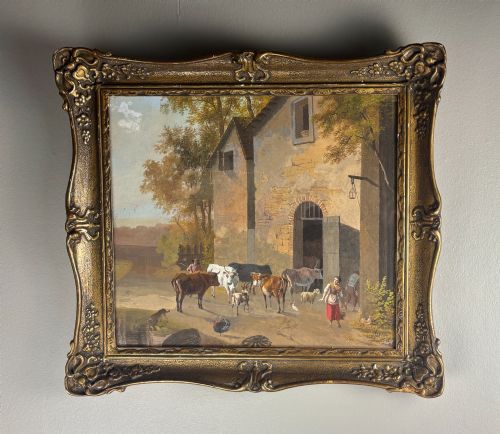
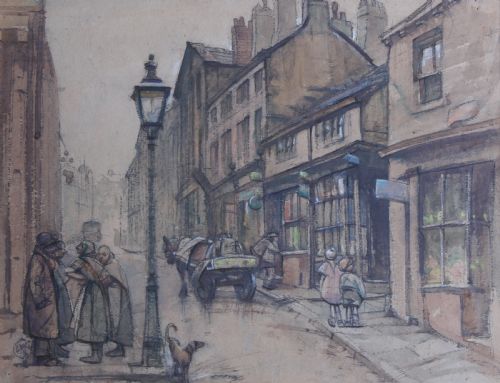
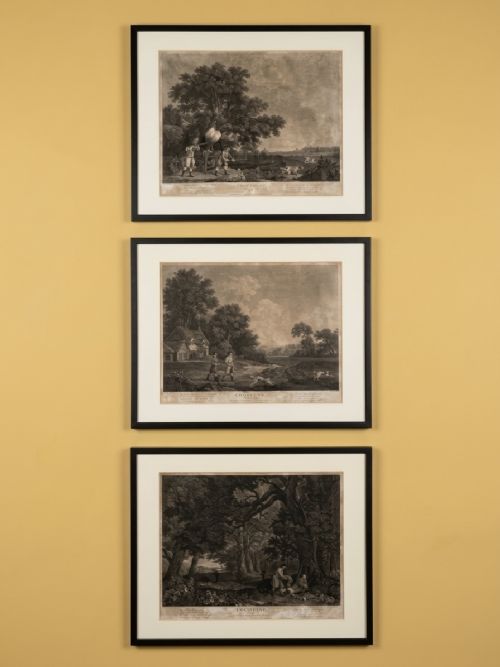
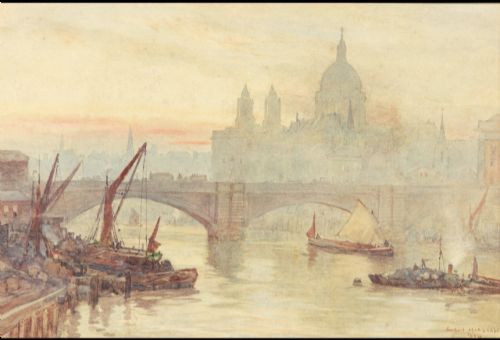


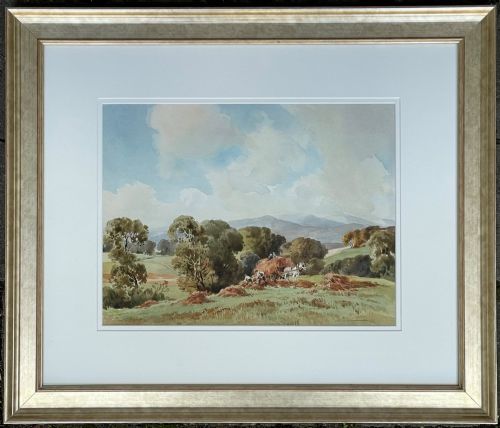
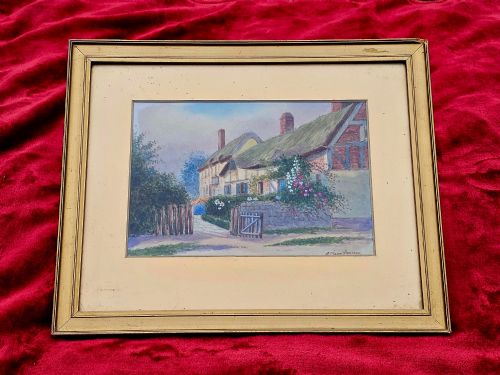
Framed Paper Landscape
A framed paper landscape captures topography and mood on delicate supports behind protective glass, offering an intimate window into past views.
Framed Paper Landscape
A framed paper landscape is a work of art on paper depicting natural scenery, urban outskirts, or coastal views, preserved behind glass within a supportive wooden or gilt frame. Buyers seeking this phrase encounter original watercolours, pastels, drawings, and engravings spanning the Victorian era through the mid-twentieth century.
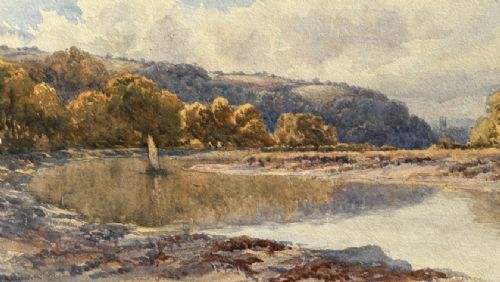
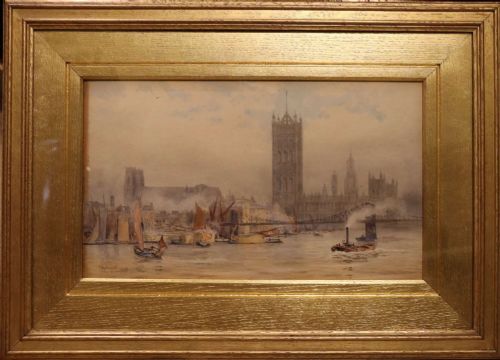
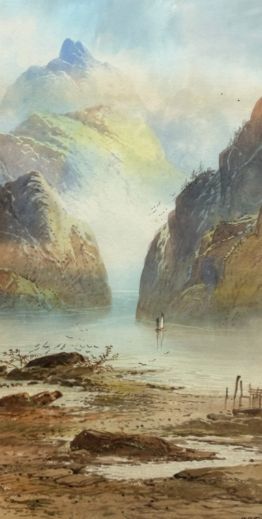
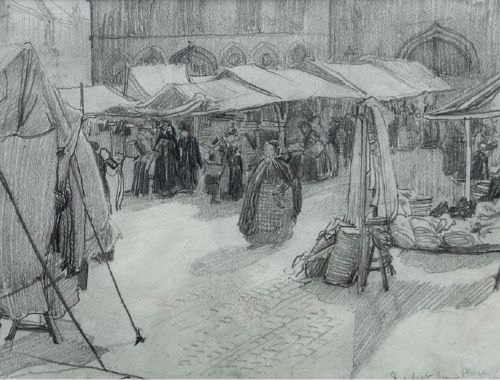
The selections on this page lean heavily towards British and European landscape painting from the nineteenth and early twentieth centuries, encompassing styles from strict topography to early British impressionism. Subjects range from tranquil rural riverbanks and dramatic Scottish lochs to bustling market towns and coastal harbours.
Most examples consist of hand-painted pigments, ink, or chalk on paper sheets, frequently retaining their historic framing and protective mats. These works reflect the shifting ways artists recorded the natural world across the Georgian, Victorian, Edwardian, and later twentieth-century periods.
Materials and construction methods
Artists relied primarily on watercolour pigments, ink, pencil, and pastel applied directly to various paper weights and textures, sometimes combining mediums for mixed media depth. Watercolour washes created transparent atmospheric effects, while ink and pencil provided structural definition to architectural elements and foliage.
Protection and presentation relied on wooden or gilt wood frames housing clear glass panes to shield the fragile paper surfaces from dust and moisture. Original backing boards and historic mount cards frequently accompany these works, preserving the integrity of the piece over generations.
Listings feature works spanning the eighteenth century through the 1960s, executed in watercolour, pastel, ink, and engraving.
Distinctions in quality and execution
The quality of a framed paper landscape rests upon the artist's handling of light, depth, and proportion, separating hasty sketches from confident, masterly compositions. Brushwork control in watercolours or the deft layering of pastel pigment dictates how convincingly an artist rendered atmosphere and texture.
The preservation of the paper support and the vibrancy of the original pigments heavily influence overall standing, alongside the presence of period-appropriate framing. Works that retain crisp linework, stable paper integrity without excessive fading, and period glazing represent the stronger end of the range.
James Orrock·William Henry Earp·Henry Percy Huggill·Percy Lancaster·A. Marie Parsons·John McDougal·Robert Leslie Howey·William Joseph Boyes·Muriel Metcalfe·Fred Lawson·John Smith Atherton·Th. Thibault·David Roberts·Anton Ignaz Melling·Thomas Maidment·Étienne Baudet·J.C Burgess·Henry de Waroquier·Bonomi Edward Warren·William Matthison·Robert George Talbot Kelly·Charles Edward Wilson·William Greaves·Alfred George Morgan·Thomas Cooper Moore
The Framed Paper Landscape Glossary
- Watercolour pigment
- A water-soluble colorant ground with a binder, applied in translucent washes to paper to create luminous effects.
- Gilt wood
- Wood coated with a thin layer of gold leaf or metallic paint, commonly found on decorative historic frames.
- Pastel
- A dry drawing medium composed of powdered pigment and a binder, offering rich, velvety colour application on paper.
- Engraving
- A printmaking technique where an artist carves an image into a metal plate, which is then inked and pressed onto paper.
Framed Paper Landscape: Frequently Asked Questions
How should I hang a framed paper landscape?
These works require placement away from direct sunlight and excessive humidity to prevent the paper from yellowing and the pigments from fading.
Using sturdy wall anchors and picture wire suited to the weight of the wooden frame ensures the piece hangs securely without warping the historic backing.
Can I replace the glass on these frames?
Retaining original historic glass is generally preferred by collectors to maintain the authenticity and period character of the artwork.
If replacement becomes necessary due to breakage, conservation-grade UV-filtering glass protects the delicate paper pigments from future light damage.
How do I identify the period of the artwork?
Clues to the date of creation often appear in the artist's signature, stylistic movements such as Victorian landscape painting or British impressionism, and framing materials.
Inscriptional notes on the reverse of the paper or backing board frequently record locations, dates, and titles associated with the scene.
What is the difference between watercolour and pastel landscapes?
Watercolour employs translucent washes of pigment suspended in water, creating soft luminous skies and fluid transitions across the paper surface.
Pastel utilises dry chalky sticks that yield opaque, textured colour layers requiring secure framing behind glass to prevent smudging.