
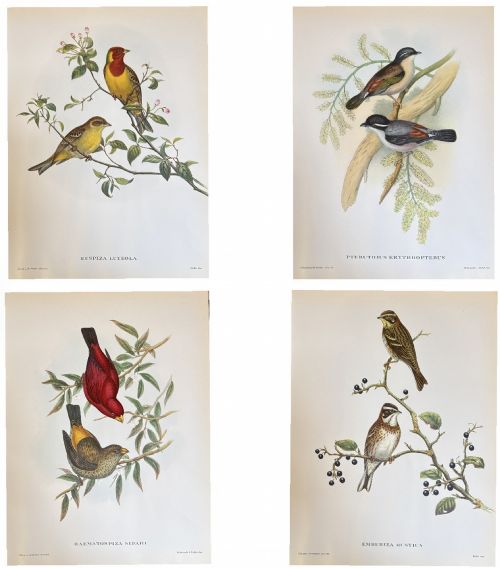
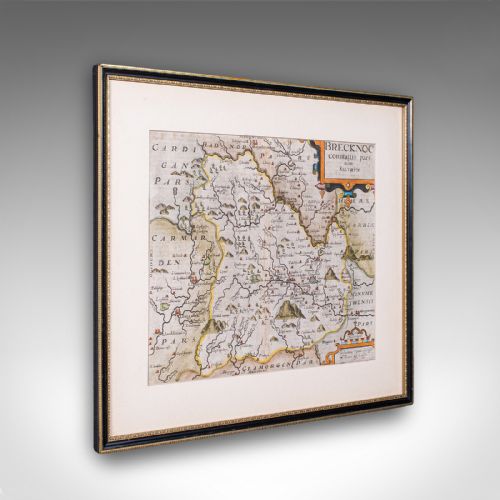
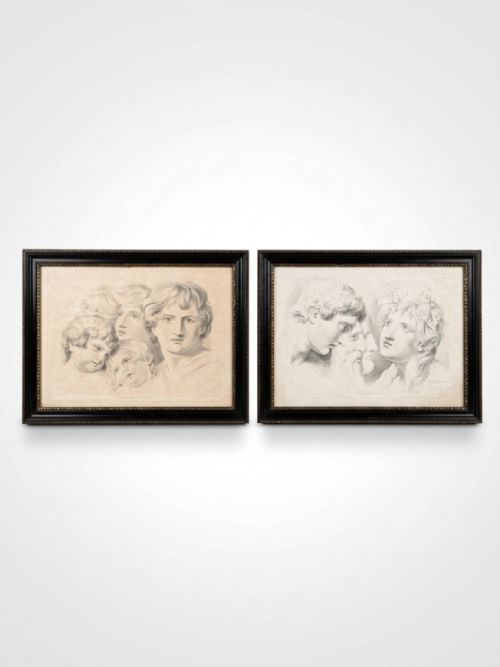
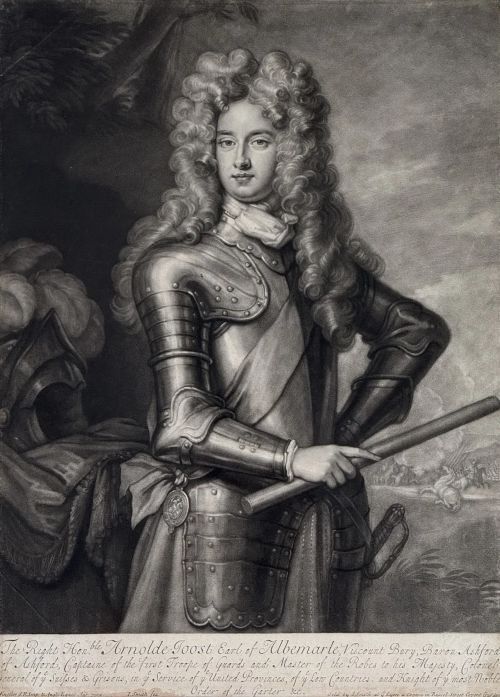
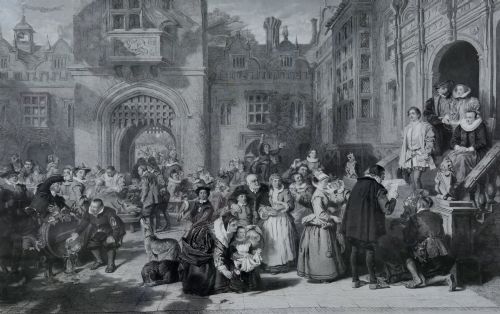
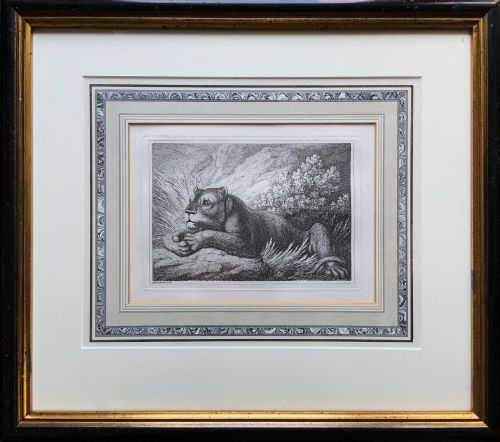
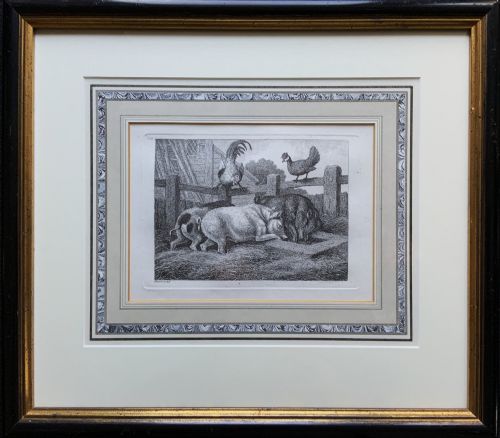
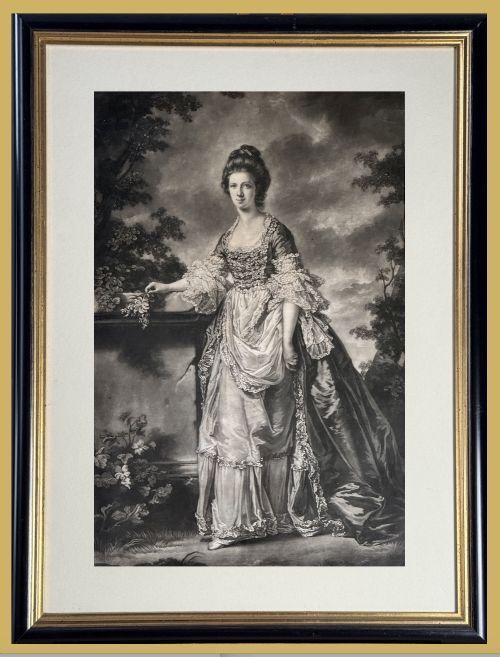
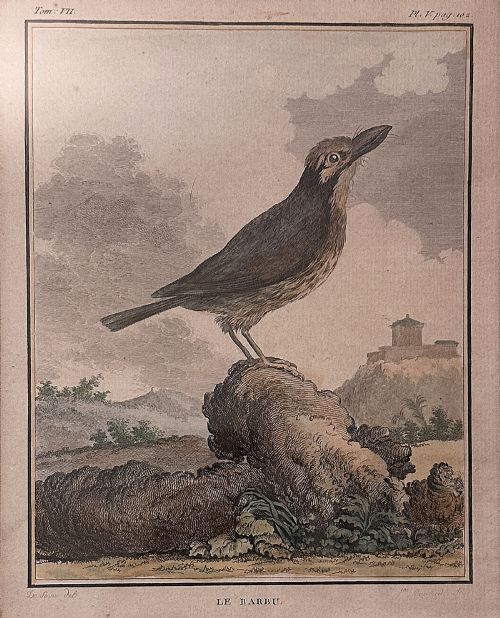
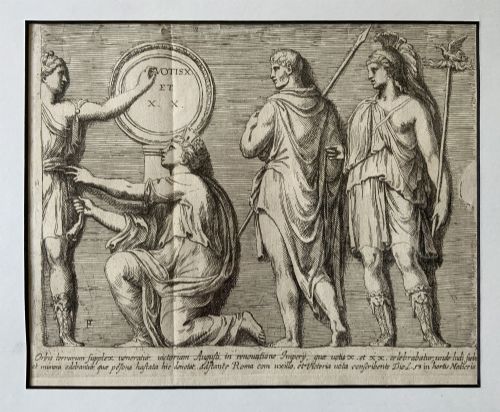
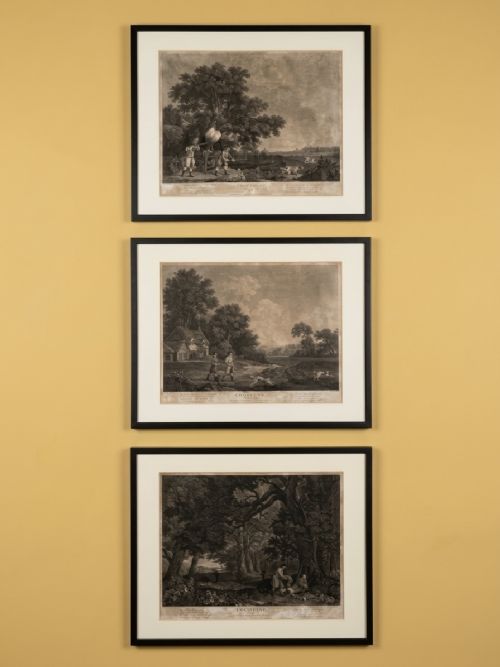
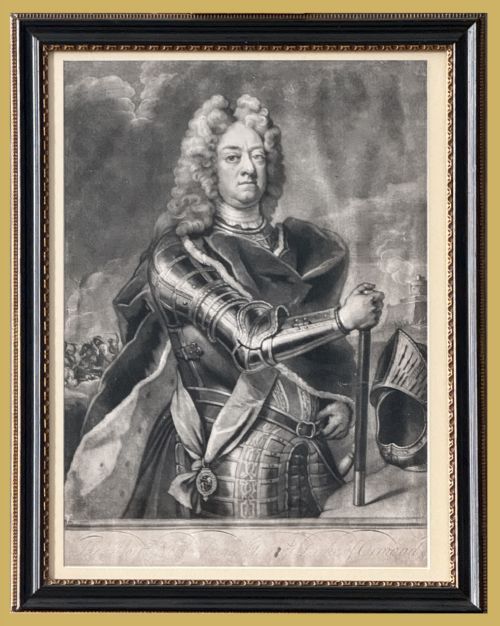
Framed Paper Engraving Print
A framed paper engraving print captures centuries of portraiture, cartography, and narrative scenes preserved beneath protective glass.
Framed Paper Engraving Print
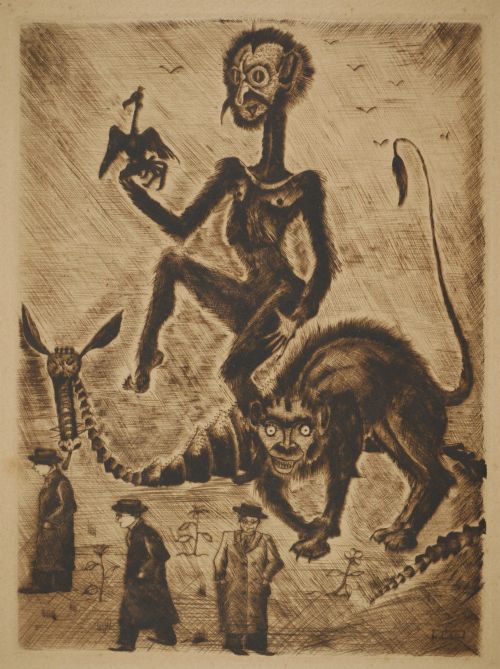
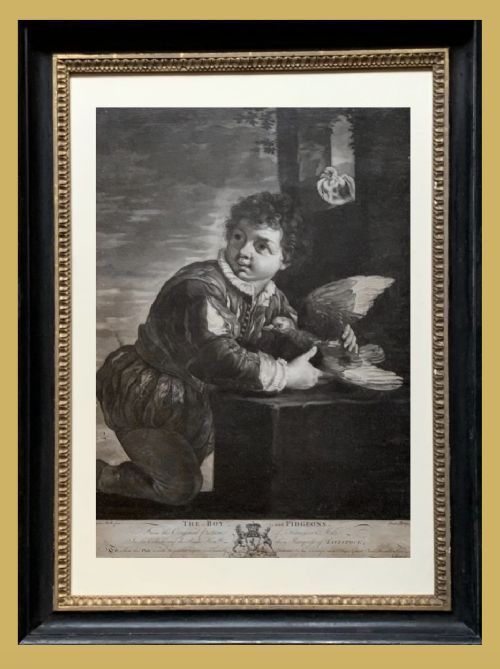
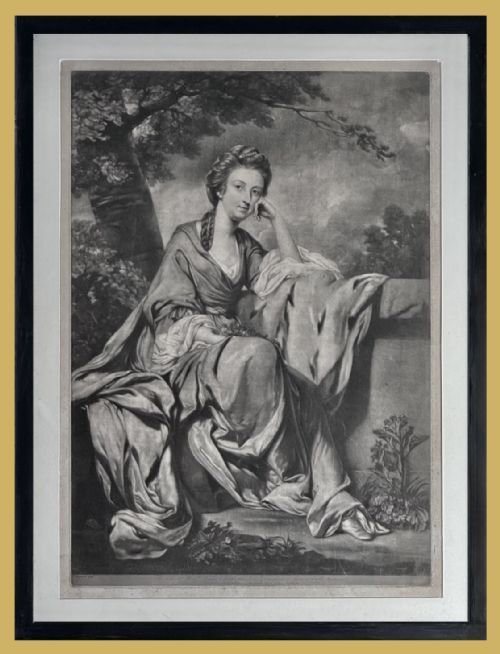
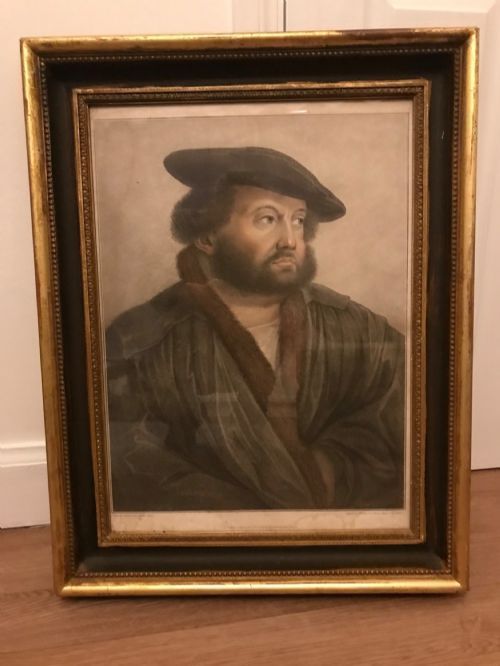
A framed paper engraving print brings historical imagery into domestic spaces, ranging from classical portraiture to detailed cartography. Collectors encounter works spanning the seventeenth century through the twentieth century, with a strong concentration of eighteenth-century mezzotints and line engravings.
The subjects on this page include aristocratic portraits after notable painters, topographical maps, and narrative scenes involving angels or literary themes. Many pieces arrive housed in period wooden mouldings that complement the printed work on paper.
The selection reflects diverse European traditions, including British, French, and Dutch printmaking. These framed works function simultaneously as historical documents and decorative wall art.
Materials and Techniques
Makers utilised high-quality paper sheets as the primary medium to receive ink transferred from engraved metal plates or woodblocks. Master engravers and mezzotinters worked copper or steel plates using burins and rockers to create tonal gradations and sharp lines.
Completed prints were frequently mounted behind glass within wooden frames, occasionally incorporating gold leaf or giltwood accents to enhance the visual presentation. Watercolour touches occasionally appear on specific plates to add subtle colour highlights to the monochrome ink.
Listings feature paper works spanning the seventeenth, eighteenth, and nineteenth centuries, utilising ink, watercolour, and giltwood frames.
Quality Variations
The integrity of the accompanying frame matters significantly, as original or period-appropriate wood and giltwood housings preserve the historical context of the artwork. The preservation of the paper sheet, free from heavy foxing or distortion, also determines the overall standing of an individual piece.
John Simon·John Boydell·Edward Fisher·Francesco Bartolozzi·John Smith·James Watson·Jacobus Houbraken·Herbert Dicksee
The Framed Paper Engraving Print Glossary
- Mezzotint
- A printmaking process where the copper plate is roughened uniformly to produce rich dark tones and subtle gradations of light. This technique allows for remarkably smooth tonal transitions, making it popular for portraiture.
- Stipple engraving
- A method of producing images on a metal plate by means of dots rather than continuous lines. The resulting effect creates soft, painterly textures often utilised for classical figurative subjects.
- Foxing
- Brown spots and discolouration that develop on antique paper over time due to chemical reactions involving iron impurities. This ageing process occurs frequently in works from the eighteenth and nineteenth centuries.
- Plate mark
- The indentation left on paper by the edge of the metal printing plate under the pressure of a press. Its presence confirms the authenticity of an intaglio print.
- Giltwood
- Wood that has been coated with a thin layer of gold leaf or gold paint. This finish frequently adorns antique frames from the Georgian and Victorian eras.
Framed Paper Engraving Print: Frequently Asked Questions
How do I clean the glass on my framed print?
Apply a mild glass cleaner to a soft cloth rather than spraying the liquid directly onto the frame. This prevents moisture from seeping behind the glass and damaging the antique paper within.
Take care to avoid touching the wooden moulding with harsh chemicals, which can strip historic finishes. Wipe gently and dry immediately with a clean lint-free cloth.
Can I hang these prints in direct sunlight?
Sunlight causes fading on both printing ink and historical paper over extended periods. Position your framed works away from windows that receive harsh, direct rays.
Using museum-grade UV-filtering glass provides an additional layer of protection against light damage. Rotating your display periodically also helps preserve the tones of the ink.
What is an intaglio print?
Intaglio encompasses techniques where the image is incised into a surface, such as a copper or steel plate. Ink is applied into the grooves and wiped from the surface before printing.
This method produces raised lines of ink that can often be felt on the paper surface. Line engravings and mezzotints both fall under this broad category.
How are antique frames identified?
Examine the joinery at the corners of the frame, the type of wood used, and the composition of the gesso or gilding. Hand-carved wooden mouldings with signs of age typically indicate earlier periods like the Georgian era.
Original backing boards and old framing nails also offer clues to the age of the housing. Replacing a frame alters the historical integrity of the piece.