




Framed Ornithological Engravings
These framed ornithological engravings bring natural history into the room, offering detailed bird studies ready to hang.
Framed Ornithological Engravings
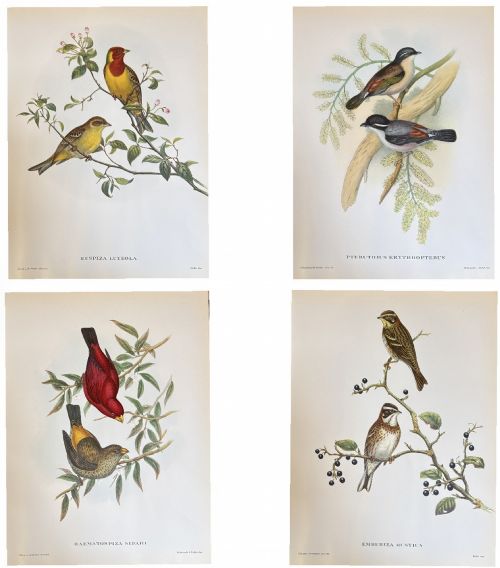
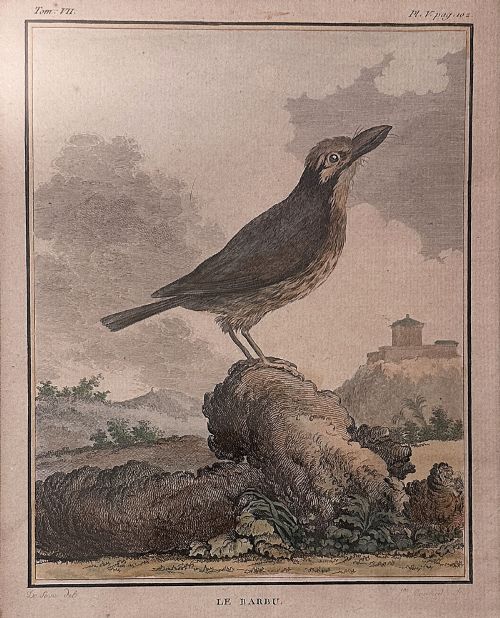
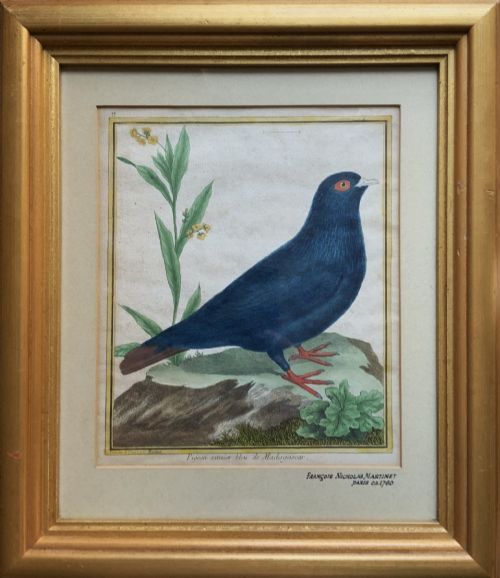
Framed ornithological engravings comprise paper prints depicting birds, presented behind glass within wood or gilt frames. These wall art pieces capture avian subjects through printed lines, frequently enhanced with hand colouring or watercolour.
Buyers meet works originating from the eighteenth and nineteenth centuries, spanning Georgian and Victorian periods. Subjects range from single pigeon and parrot studies to sets of ducks, waterfowl, and general bird engravings.
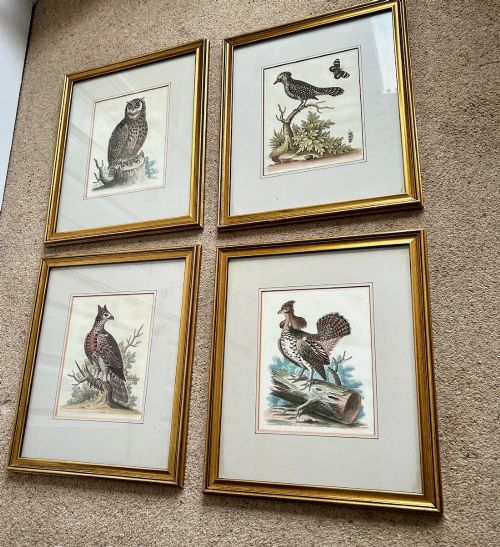
The selection includes individual plates alongside larger sets numbering up to twelve pieces. Forms span framed prints, wall art, and specific engravings created by noted natural history illustrators.
How they were made
Maker methods rely on paper inscribed with ink lines via engraving or lithography techniques. Artisans then applied watercolour or hand colouring directly to the paper to render the plumage and natural tones of the birds.
Finished works are housed behind glass within wood frames, sometimes finished with gilt or gold leaf accents. These protective enclosures preserve the delicate paper and pigment from atmospheric damage over the centuries.
Framed Ornithological Engravings Retail Price Guide 2026
Typical asking prices for framed ornithological engravings among the pieces listed under this phrase on Sellingantiques today, from the lower quarter to the upper quarter. They describe what is for sale here now, not the wider market.
Feather your walls with eighteenth-century ducks, pigeons, and parrots that refuse to migrate.
What varies in quality
Visual distinction rests in the precision of the initial engraving lines and the sensitivity of the hand colouring. Stronger examples display crisp detail in the bird's feathers alongside well-preserved pigment tones that retain their original vibrancy.
The presentation hardware contributes to the overall character, notably the material and finish of the wood and gilt frames. Matching sets of multiple engravings demonstrate greater consistency in provenance and visual impact than isolated single plates.
François-Nicolas Martinet·George Edwards·William Swainson·Edward Lear·Eleazor Albin·Rev B. Morris
The Framed Ornithological Engravings Glossary
- Engraving
- A printmaking process where an artist cuts an image into a metal plate using a sharp tool. Ink is then applied to the plate and transferred to paper under pressure.
- Lithography
- A planographic printing method based on the chemical repulsion of oil and water. Artists draw the image on stone or metal to produce multiple flat prints.
- Hand coloured
- The manual application of watercolour or tint onto a printed image using a brush. This technique adds realistic hues to monochrome engravings.
- Gilt wood
- Timber frames finished with a thin layer of gold leaf or metallic paint. This treatment provides a reflective, decorative border around the artwork.
- Watercolour
- A paint medium consisting of coloured pigments suspended in a water-soluble vehicle. It appears frequently in these works for tinting feathers and backgrounds.
Framed Ornithological Engravings: Frequently Asked Questions
How do I hang these prints?
Secure the framed engravings to the wall using appropriate fixings suited to the weight of the wood and glass. Hang them at eye level in rooms away from direct sunlight to protect the paper.
Group sets together symmetrically to create a balanced display on the wall. Maintain consistent spacing between frames to unify multiple bird studies.
What periods do they cover?
The available pieces span the eighteenth and nineteenth centuries, including Georgian and Victorian eras. Dates range from around seventeen-forty through to nineteen-ten.
Earlier examples often date to the mid-eighteenth century, while later Victorian works extend into the mid and late nineteenth century.
Are the colours original?
Many examples feature hand colouring applied during the period of production, using watercolour pigments over the printed ink lines. These tones were added by hand to represent natural bird plumage accurately.
Inspect the pigment under magnification to observe how the brushwork interacts with the paper surface. Period colouring shows natural integration with the ink lines.
How should I clean the glass?
Wipe the glass gently with a soft cloth and a mild glass cleaner sprayed onto the cloth rather than directly onto the frame. Prevent liquid from seeping behind the glass where it could damage the paper.
Keep the wood and gilt frame free from dust using a dry, soft brush. Avoid harsh chemical polishes that might degrade the frame finish.
Can I buy single plates?
The selection includes both individual framed prints and complete sets numbering up to twelve pieces. Single plates offer a focused subject for smaller wall spaces.
Larger sets provide a cohesive display sharing identical publishing periods and artistic styles. Choose single items or grouped series depending on available wall area.