






Framed Ocean Scene Painting
A framed ocean scene painting captures the movement and light of coastal waters, offering a window to maritime history for your wall.
Framed Ocean Scene Painting
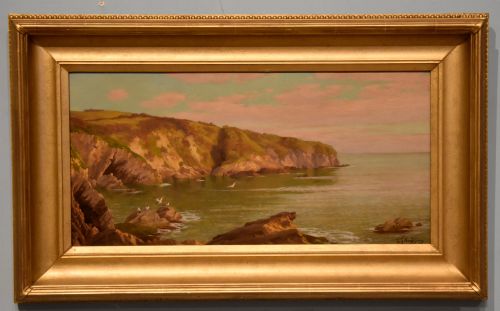
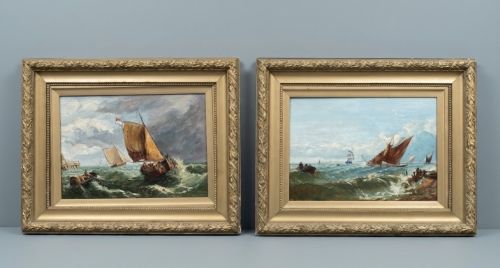
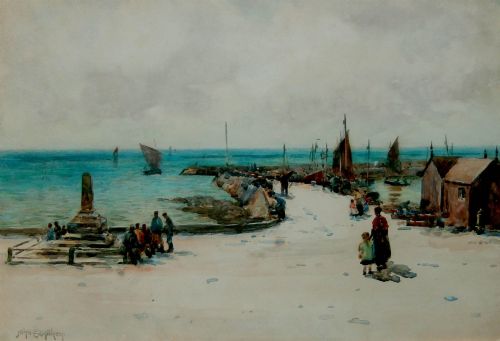
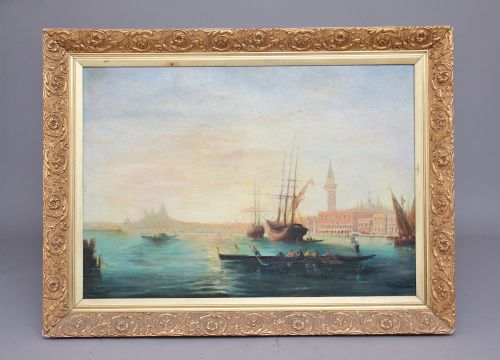
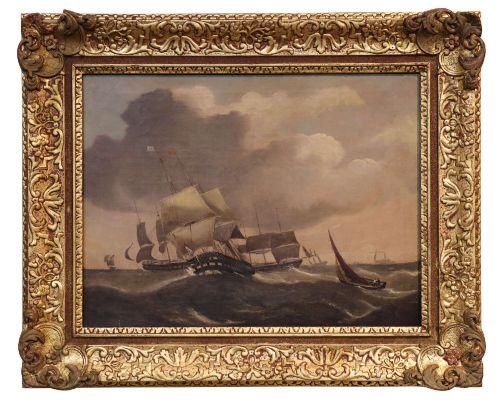
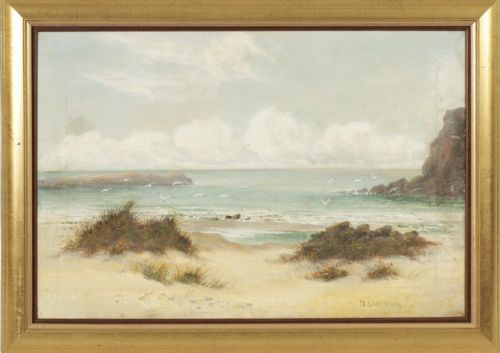
A framed ocean scene painting depicts marine life, coastal harbours, and shipping vessels across various historical periods. These works capture everything from calm Venetian lagoons to heavy seas with steamships and sailing boats.
The selections available here span from the 19th century through to the mid-20th century, encompassing Victorian and Edwardian pieces alongside later impressionist works. Buyers frequently encounter coastal scenes originating from British shores as well as continental European locations.
Common formats include both oil paintings on canvas or board and delicate watercolours on paper. Most arrive housed within period gilt wood or ebonised frames that complement the maritime subject matter.
How They Were Made
Artists applied oil paint to stretched canvas or wooden boards, building up rich textures to render churning waves and cloudy skies. Watercolours utilised pigment suspended in water applied directly to paper, often capturing the bright light of harbours and bays.
Makers enclosed these artworks within wooden frames finished with gold leaf or gilt, protecting the edges and enhancing the visual depth of the scene. Ebonised timber frames also appear, providing a dark contrast against lighter maritime palettes.
Framed Ocean Scene Painting Retail Price Guide 2026
Typical asking prices for framed ocean scene painting among the pieces listed under this phrase on Sellingantiques today, from the lower quarter to the upper quarter. They describe what is for sale here now, not the wider market.
Several artists clearly preferred getting salt spray on their boots, recording stormy waters from the safety of rocky British cliffs.
What Varies In Quality
The skill of the brushwork and the precision in capturing natural light separate standard decorative watercolours from accomplished fine art paintings. Artists who successfully convey the weight of water and atmospheric conditions produce more compelling compositions.
The preservation of the paint surface and the originality of the matching frame influence the standing of a piece. Works retaining their untouched historic gilt wood frames carry stronger visual integrity.
John E. Aitken·William Banks Fortescue·Gustave De Bréanski·Claude Thomas Stanfield Moore·Sir William Russell Flint·Frederick Stuart Richardson·Sir David Murray·Owen Bowen·James Watson·Daniel Sherrin·Thomas Bush Hardy·Charles Martin Powell·Arthur Joseph Meadows·Harry John Pearson
The Framed Ocean Scene Painting Glossary
- Seascape
- A work of art depicting the sea, ocean, or marine subjects. These pieces frequently record historical shipping, coastal cliffs, and fishing boats.
- Gilt Wood
- Wood treated with a thin layer of gold leaf or metallic gilt paint. This finish frequently surrounds 19th-century and Edwardian frames.
- Watercolour
- A paint consisting of colorants suspended in a water-soluble vehicle, typically applied to paper. It offers translucent washes suitable for coastal light.
- Impressionism
- An art style characterised by relatively small, thin, yet visible brush strokes and an emphasis on accurate depiction of light. British examples capture local fishing harbours and coastal weather.
Framed Ocean Scene Painting: Frequently Asked Questions
How do I date a maritime painting?
Examine the style of the clothing worn by figures in the scene, the type of vessels depicted, and the construction methods of the frame. Victorian and Edwardian works often display distinct framing materials and painterly techniques that separate them from later 20th-century creations.
Signatures, artist registry records, and inscriptions on the reverse of the canvas or board additionally provide reliable chronological markers for identification.
Where were these coastal scenes painted?
Artists travelled extensively along British coasts, capturing fishing harbours in Cornwall, Scotland, and Wales. Popular continental destinations included the Venetian lagoon, the Bay of Naples, and the shores of France.
Painters set up their easels outdoors or worked from preliminary sketches to record authentic maritime conditions and local seafaring life.
Are watercolours as durable as oils?
Watercolours on paper require protection behind glass to prevent atmospheric damage and fading from direct sunlight. Oil paintings on canvas or board are more robust, though they still benefit from stable indoor humidity levels.
Both mediums have survived a century or more when given proper care by previous owners.
How should I hang a framed ocean painting?
Select a wall space away from direct sunlight and excessive moisture sources like unvented kitchens or bathrooms. Use appropriate fixings suited to the weight of the wooden frame and the wall construction.
Ensure the picture hangs level at eye height to properly appreciate the painted perspective of the sea and sky.