


Framed Miniature Painting
These framed miniature painting works capture personal likenesses and historical scenes in intimate scale, drawing collectors through their meticulous brushwork and period framing.
Framed Miniature Painting
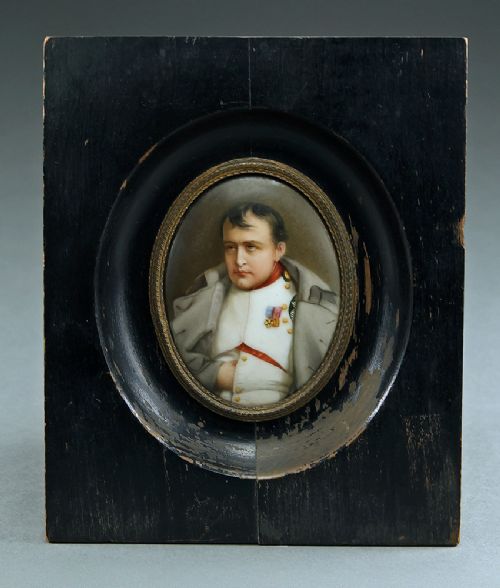
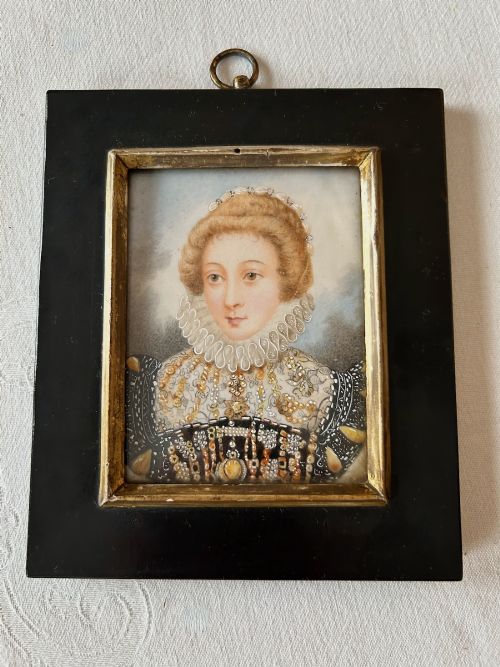
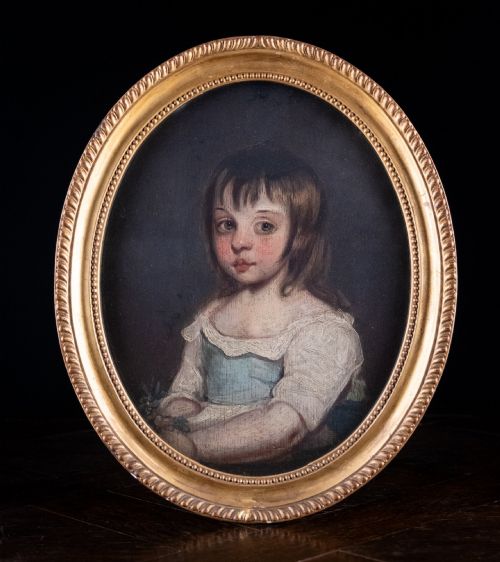
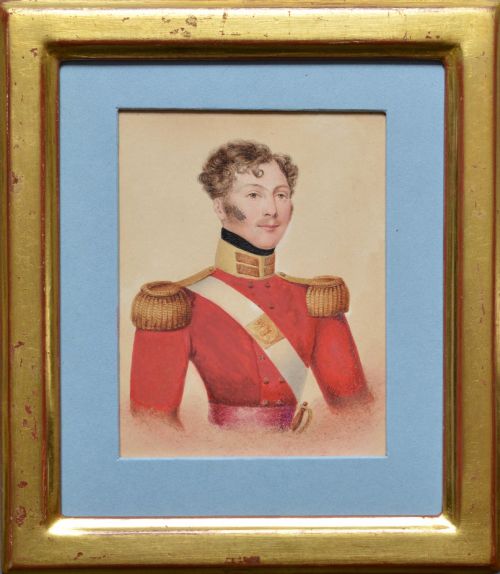
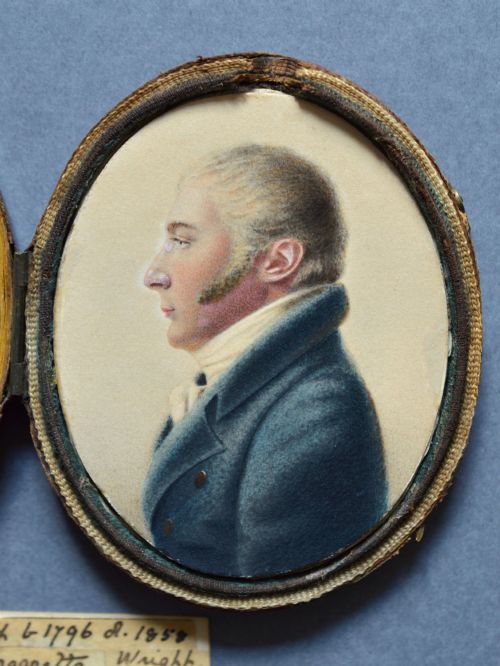
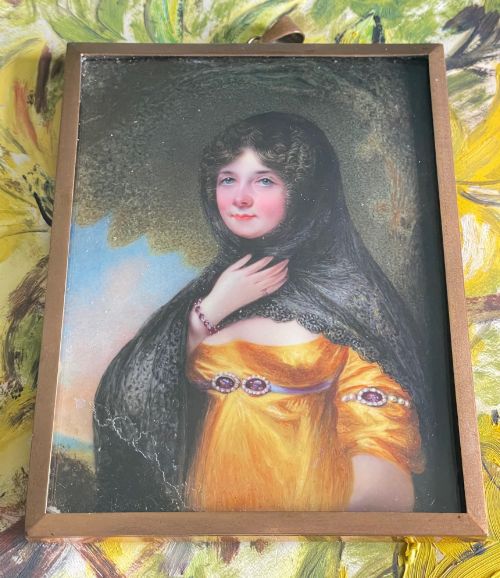
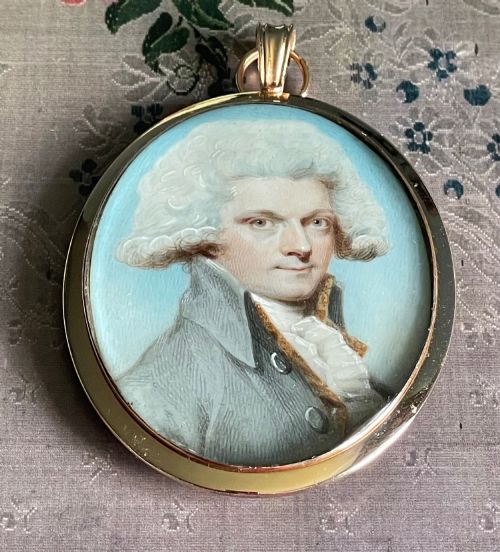
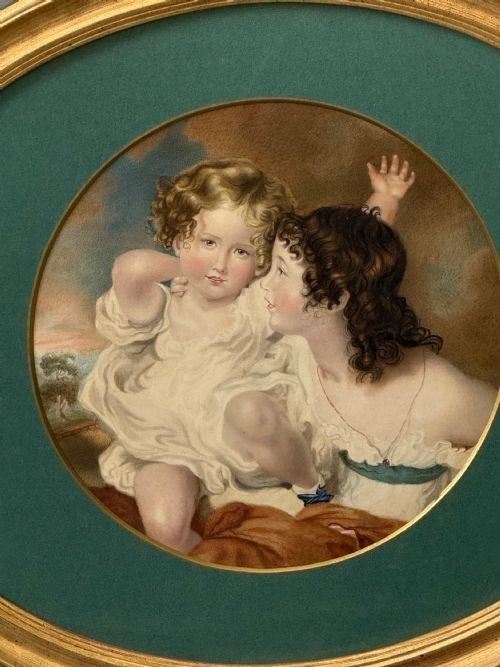
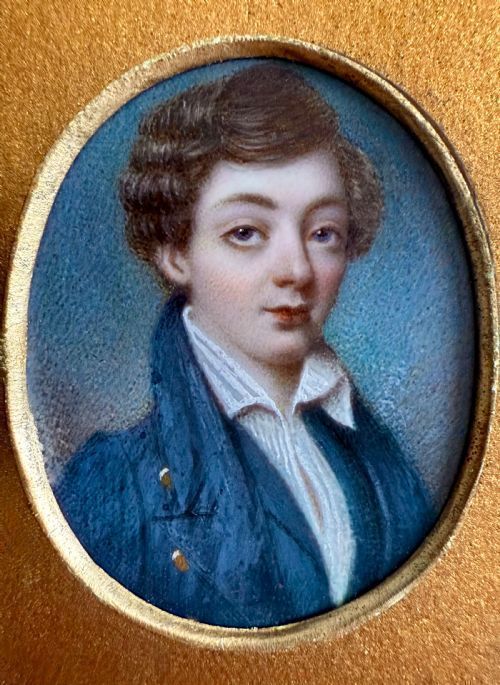
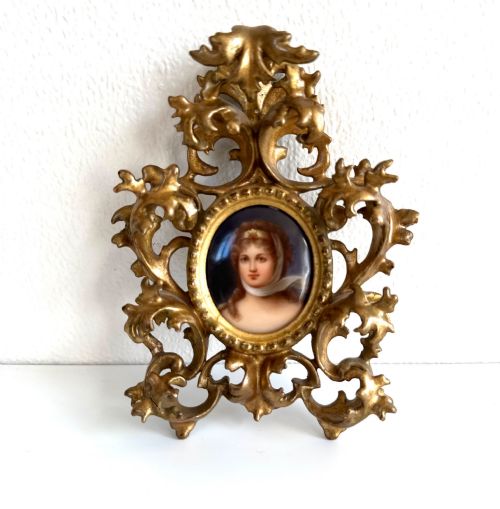
A framed miniature painting comprises small-scale portraits and scenes produced across the eighteenth and nineteenth centuries, spanning Georgian, Regency, and Victorian eras. These items capture sitters ranging from military officers and nobility to children and literary figures.
Originating from British, European, American, and Anglo-Indian traditions, these pieces reflect domestic portraiture trends and international tastes. Collectors encounter works produced by named miniaturists as well as anonymous regional schools.
How they were made
Artists painted these works using watercolour, gouache, enamel, or oil on specialised grounds such as paper, card, and glass. Enamel pieces required firing in kilns to fix powdered glass pigments onto metal backing plates.
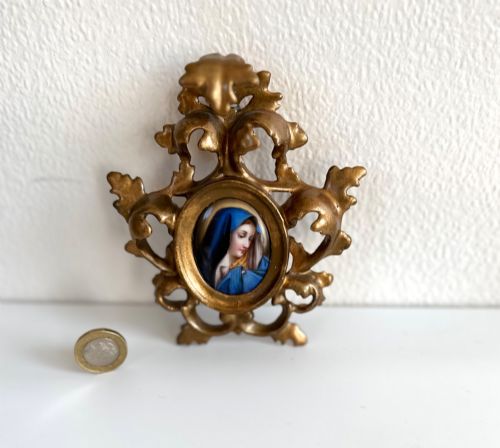
Makers housed the finished artwork behind protective glass within surrounds fashioned from ebonised wood, papier-mâché, and cast brass. Gilt metal frames and gold leaf accents added decorative contrast to the darker timber housings.
Listings feature works spanning the eighteenth and nineteenth centuries, encompassing Georgian, Regency, and Victorian stylistic periods.
What varies in quality
Preservation of the original housing and backing materials influences overall integrity. Intact glazing, original frames, and legible signatures or documentation elevate historical value.
Frith·Henri Fradelle·JAMES SHARPLES·Henry Bone ARA·Thomas John Horsley·Horace Hone·Charles Shirreff·Richard Cosway·John Miers·James Gillespie·Frederick Buck·Dumont·F NORIE·J F Sharpe
The Framed Miniature Painting Glossary
- Portrait Miniature
- A small-scale painting executed with fine detail, typically depicting a specific person.
- Silhouette
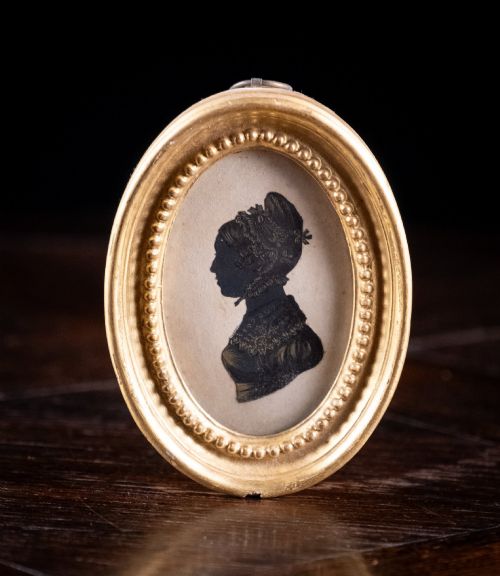
- A profile likeness cut from paper or painted in solid black, often enhanced with gold highlights.
- Enamel
- A vitreous composition fused to a metal substrate through kiln firing to produce durable coloured imagery.
- Reverse Painting
- An image applied to the back side of a glass panel so the composition is viewed through the transparent front.
- Gilt Metal
- A base metal treated with a thin layer of gold or gold-coloured wash to imitate solid precious metal.
Framed Miniature Painting: Frequently Asked Questions
How were miniature paintings displayed?
Owners typically hung these small works on domestic walls in groupings or kept them inside protective cases on tabletops. Many items also functioned as personal jewellery or pocket mementoes.
Wall mounting allowed families to display lineages and allegiances in private chambers or receiving rooms.
Who sat for these portraits?
Sitters included military officers, aristocracy, children, and literary figures of the Georgian and Victorian eras. Commissioned pieces recorded betrothals, departures for military service, and family memorials.
Artists also painted historical and religious subjects alongside imaginary character studies for domestic decoration.
How do I identify the period?
Clothing styles, hairstyles, and framing materials provide the primary clues for dating a piece. Georgian works often feature powdered wigs and simple oval wooden frames, while Victorian examples display distinct attire and heavier gilt surrounds.
Inscriptions on reverse panels or old labels occasionally supply exact dates or sitter names.
What is a silhouette portrait?
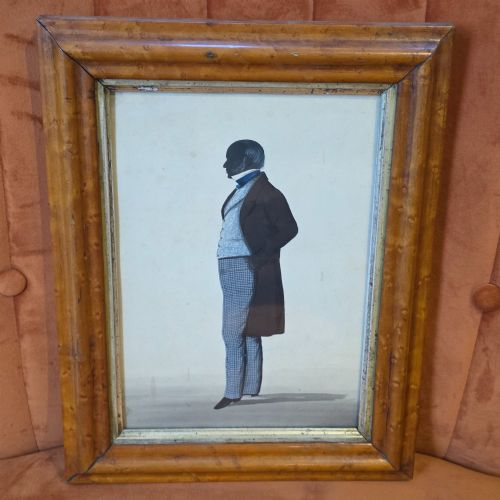
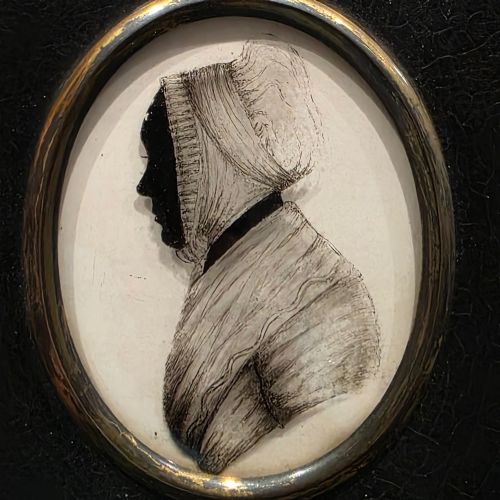
A silhouette is a monochromatic profile portrait, usually cut from black paper or painted onto card or glass. Artists added delicate touches of gold leaf to define uniform buttons, lace, and hair.
Profile artists travelled extensively to produce quick likenesses before photography became widespread.