



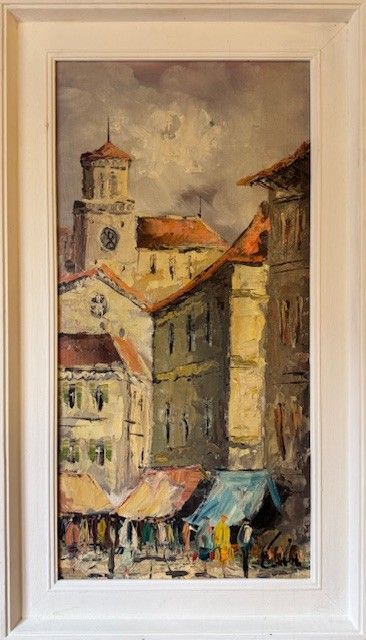





Framed Market Painting
A framed market painting brings the bustle of town squares and trading scenes straight to your wall through oils, watercolours, and tempera.
Framed Market Painting
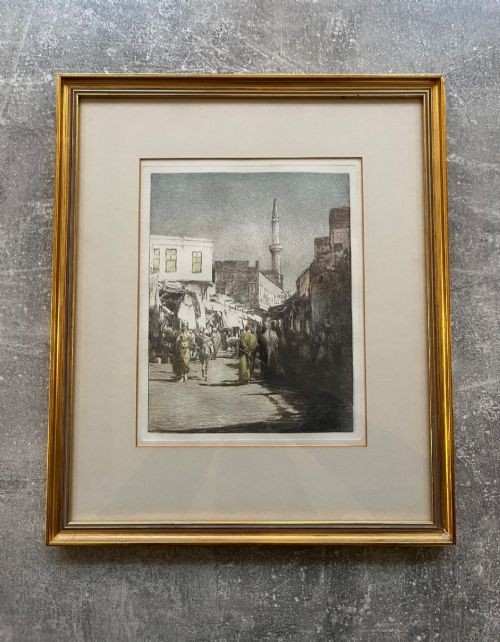
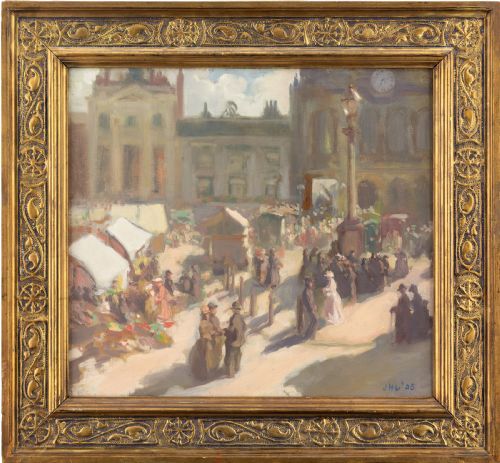
A framed market painting captures daily commerce, town squares, and trading scenes across various eras from the late nineteenth century to the mid-twentieth century. You will frequently encounter works executed in watercolour on paper and oil on canvas, housed within traditional wooden or giltwood frames.
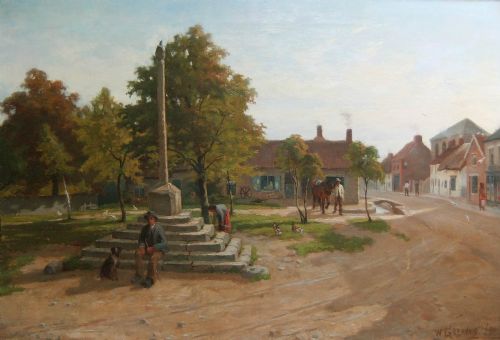
The subjects range from British townscapes and rural village street scenes to continental European squares and tropical settings like the Ubud School. Artists document these bustling gatherings using distinct regional approaches, spanning Victorian realism, British impressionism, and mid-century styles.
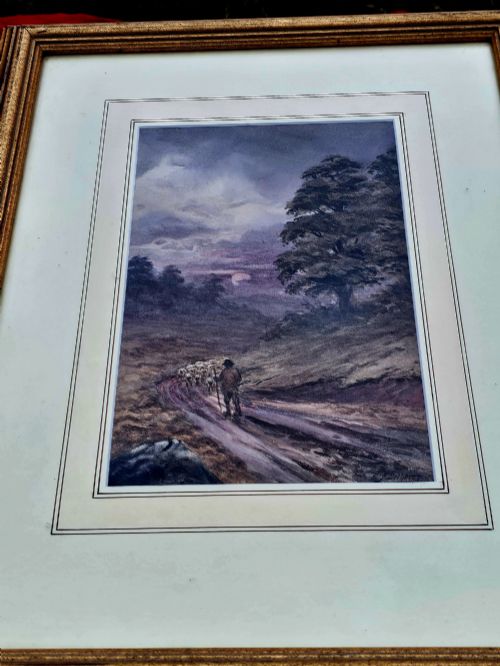
Most examples present figurative compositions showing figures herding livestock, packing produce carts, or trading goods outdoors. These artworks provide a direct visual record of historical commerce, anchored securely behind glass or within decorative timber mouldings.
Materials and construction
Artists painted these market scenes onto prepared canvas, wood panels, paper, and tempera on canvas using oil paints, watercolours, and tempera. The resulting artworks rely on pigments applied with brushwork that varies from tight Victorian realism to looser impressionistic strokes.
Surrounding the artwork, the frames utilise wood and giltwood construction, often protected by glass where paper watercolours are concerned. These frames provide structural support and define the visual boundary of each townscape.
The physical build combines the painter's chosen medium with stretcher frames or backing boards, creating a complete hanging piece ready for display.
Framed Market Painting Retail Price Guide 2026
Typical asking prices for framed market painting among the pieces listed under this phrase on Sellingantiques today, from the lower quarter to the upper quarter. They describe what is for sale here now, not the wider market.
Several canvases capture the exact moment a vendor packs away vegetables, proving artists loved a hurried goodbye just as much as we do.
Evaluating quality in market scenes
The strength of a piece rests in the artist's ability to render light, movement, and the bustling atmosphere of a busy trading square. Finer examples display confident brushwork and accurate perspective in complex townscape settings.
Material preservation dictates much of the standing, with stable paint layers, minimal fading in watercolours, and original or period-appropriate frames holding greater appeal. The distinction lies between hurried decorative sketches and considered artistic interpretations executed by named painters.
Thomas Ellison·John Hodgson Lobley·William Greaves·Stanley Orchart·Cornelis Christian Dommersen·Joseph W Milliken·Rowland Henry Hill·Ernst Louizor·Alfred George Stevens·Paul Paul
The Framed Market Painting Glossary
- Watercolour
- A paint consisting of colour suspended in a water-soluble binder, typically applied to paper to create translucent washes. This medium requires protection beneath glass to prevent moisture damage.
- Giltwood
- Wood that has been treated with a thin layer of gold leaf or gilt powder. This finish adds decorative warmth and reflectivity to picture frames.
- Townscape
- A painting or drawing representing a city street, square, or urban landscape. These works focus on architectural elements combined with human activity.
- Impressionism
- An artistic style characterised by relatively small, thin, yet visible brush strokes and an emphasis on accurate depiction of light. Practitioners of this movement capture the transient effects of outdoor illumination.
Framed Market Painting: Frequently Asked Questions
How do I clean the glass on a watercolour?
Use a soft cloth slightly dampened with a mild glass cleaner, applying it to the cloth rather than spraying the frame directly.
Take care to avoid letting any liquid seep beneath the glass edge where it could damage the paper artwork inside.
Where should I hang a market painting?
Choose an interior wall away from direct sunlight and damp conditions to protect the canvas, paper, and pigments from fading or deterioration.
Well-lit hallways, living rooms, and dining spaces allow the detailed activity within these townscapes to be appreciated at close range.
How do I identify oil on canvas?
Examine the surface closely under good light to observe the texture of woven fabric behind the paint layers and the raised impasto of the brushwork.
Unlike watercolours, oil paintings do not strictly require glass for protection, though many retain original frames for aesthetic completeness.
What defines Edwardian art style?
Edwardian artworks often lean towards accessible realism, narrative charm, and gentle impressionism reflecting the lifestyle and landscapes of the early twentieth century.
In market paintings from this period, you will notice soft natural light and careful attention to period costume and daily routine.