




Framed Maritime Print
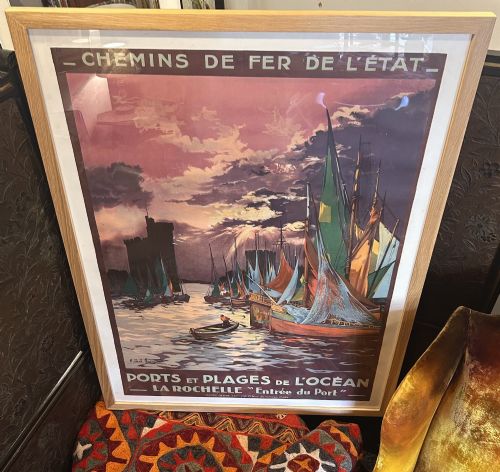
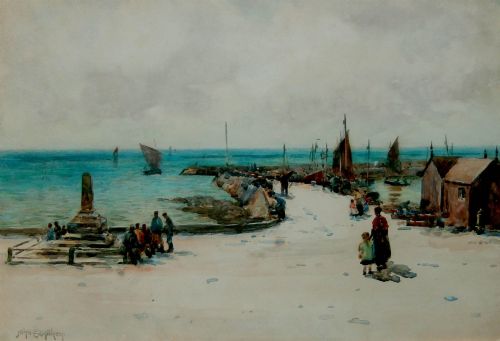
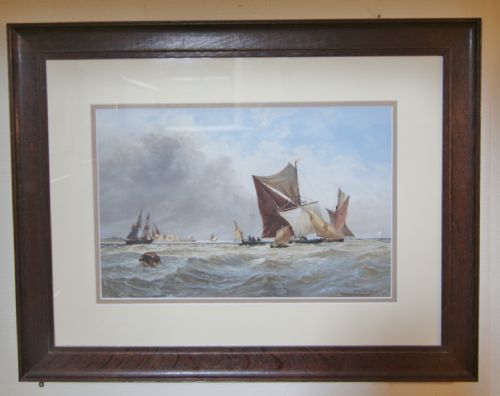
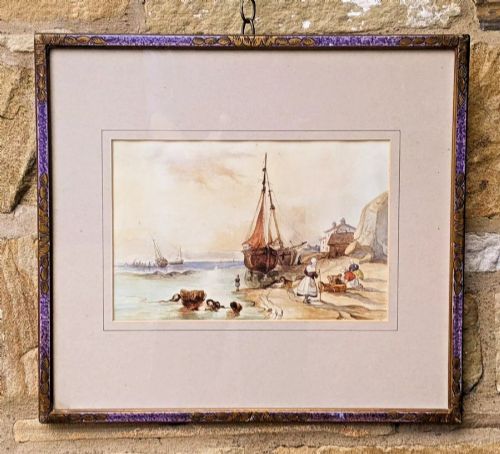
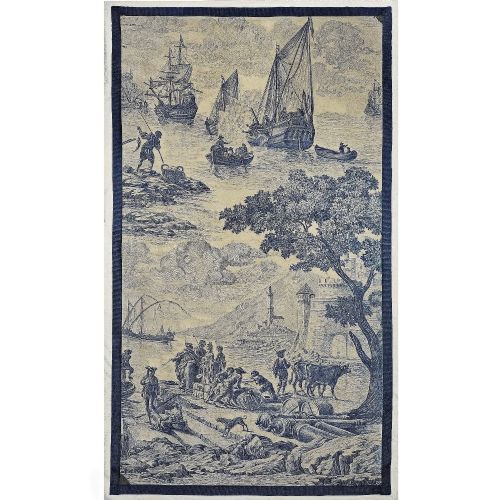
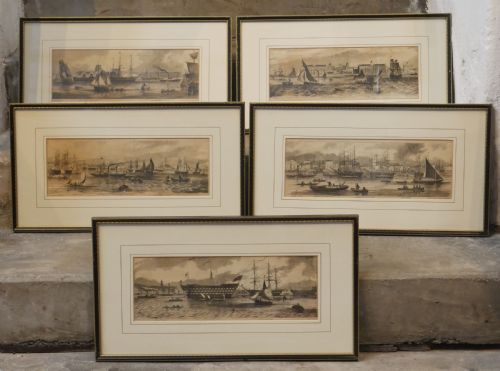
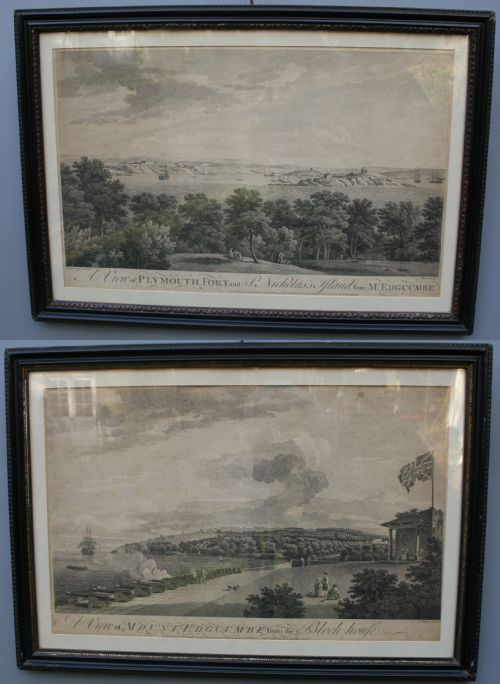
A framed maritime print captures naval engagements, coastal harbours, and sailing vessels behind glass within period wood.
Framed Maritime Print
A framed maritime print covers a wide range of paper works documenting ships, ports, and naval history.
The selections on this page lean heavily towards nineteenth-century engravings, aquatints, and early twentieth-century watercolours.
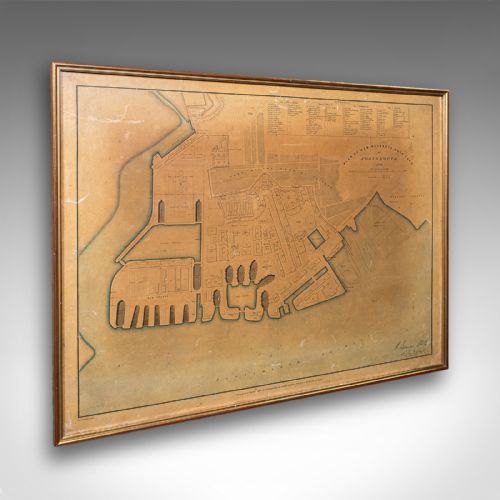
Buyers encounter subjects spanning royal yachts, dockyard plans, and fishing boats rendered across the Victorian and Edwardian eras.
How they were made
Works on paper utilise watercolour, etching, lithography, and aquatint techniques applied to detailed marine subjects.
Framing relies on period timber, incorporating oak, maple, and giltwood mouldings alongside protective glass.
Backings often consist of card or textile panels that support the primary paper artworks.
Framed Maritime Print Retail Price Guide 2026
Typical asking prices for framed maritime print among the pieces listed under this phrase on Sellingantiques today, from the lower quarter to the upper quarter. They describe what is for sale here now, not the wider market.
Materials documented across the inventory include paper, oak, maple, glass, watercolour, and gold leaf.
What varies in quality
The calibre of a piece rests on the precision of the draughtsmanship and the historical weight of the subject matter.
Original artist attributions and named vessels elevate the distinction of a work above anonymous harbour scenes.
The integrity of the original frame and the preservation of the paper beneath the glass shape the overall standard.
John E. Aitken·F Corpuz·TB Hardy·W J Huggins·Frank Wood·WF Mitchell·Henry Wimbush·John Scott Russell
The Framed Maritime Print Glossary
- Aquatint
- A printmaking technique that produces tonal areas resembling watercolour washes. It was frequently utilised for nautical views and coastal scenes.
- Engraving
- A method of cutting design lines into a metal plate to hold ink for printing. These offer high precision in depicting rigging and architecture.
- Giltwood
- Wood carved and coated with gold leaf or metallic paint. It provides a bright decorative border common in nineteenth-century framing.
- Lithography
- A planographic printing process using oil and water on a stone plate. This technique enabled faithful colour reproduction for posters and series.
- Watercolour
- Pigments bound in a water-soluble vehicle applied to paper. Coastal painters utilised this medium to capture changing light and sea spray.
Framed Maritime Print: Frequently Asked Questions
How do I date a maritime print?
Dating relies on the paper type, printing technique, and framing materials present in the object. Historical clues within the depicted vessels or uniforms also assist in establishing the era.
Items from the nineteenth century often exhibit hand-tinted elements or specific engraving styles that distinguish them from later twentieth-century photographic reproductions.
What framing is typical for these pieces?
Original frames frequently comprise simple oak, maple, or moulded giltwood sections designed to protect the paper without overpowering the subject. Many retain their early glass panes.
Retaining the original framing materials helps preserve the historical context and overall integrity of the artwork.
Where were these prints displayed originally?
These works hung in maritime offices, domestic parlours, and captain's cabins during the Victorian and Edwardian periods. They served as commemorations of naval service or commercial shipping fleets.
Collectors today place them in studies, hallways, and living spaces to anchor a room with nautical history.
How should I care for antique paper art?
Protect the paper by keeping the piece away from direct sunlight and maintaining stable indoor humidity levels. Direct exposure to heat can fade watercolours and discolour the paper support.
Ensure the backing board and glazing remain sealed to prevent dust and moisture from reaching the delicate surface over time.