







Framed Maritime Ocean Scene
A framed maritime ocean scene brings the movement and weather of open water directly into a room.
Framed Maritime Ocean Scene
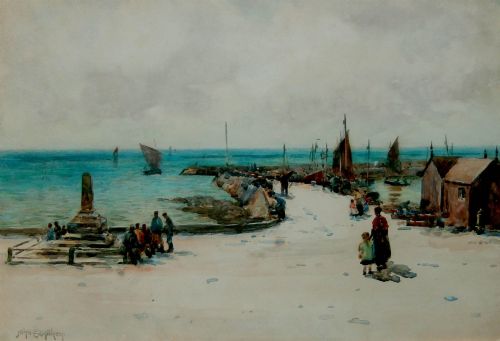
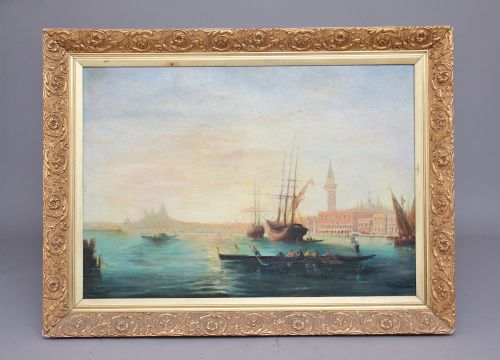
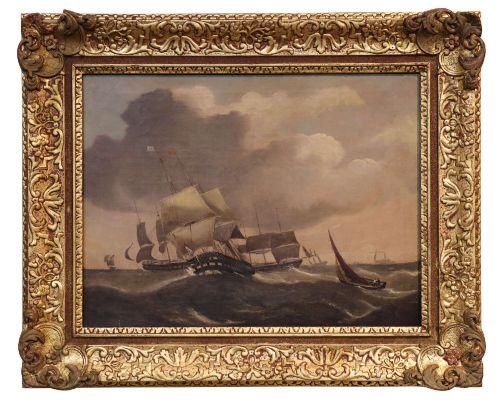
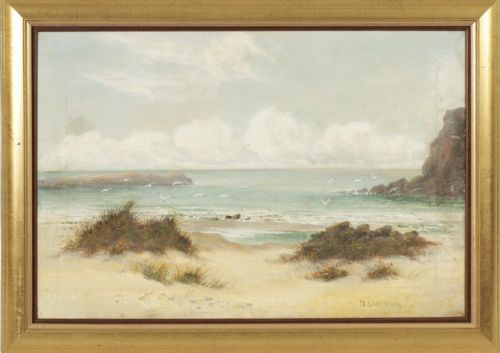
A framed maritime ocean scene captures coastal views, rough seas, shipping vessels, and harbour life across the nineteenth and twentieth centuries. These works range from intimate watercolours to large oil paintings on canvas and board, often set within period gilt wood frames.
The selections span Victorian marine art, British impressionism, and post-impressionism, reflecting the varied approaches artists took to recording water, light, and shorelines. Common subjects include lighthouses, fishing boats in choppy seas, steamships, and quiet bays.
Victorian and Edwardian pieces dominate the selection, alongside works from the nineteen-twenties and mid-twentieth century. Buyers encounter everything from detailed depictions of Dutch coastlines to impressionist Welsh and Scottish coastal scenes.
Materials and construction
Support materials range from stretched canvas and wooden panels to heavy paper sheets for watercolours, frequently protected beneath glass. The frames themselves play an integral structural role, housing the artwork securely while complementing the tonal qualities of the marine palette.
Framed Maritime Ocean Scene Retail Price Guide 2026
Typical asking prices for framed maritime ocean scene among the pieces listed under this phrase on Sellingantiques today, from the lower quarter to the upper quarter. They describe what is for sale here now, not the wider market.
Listings feature works created across the nineteenth and twentieth centuries, using oil and watercolour on canvas, board, and paper.
Qualities of execution
The strength of a framed maritime ocean scene lies in the artist's handling of atmospheric light, water movement, and spatial depth. Superior examples demonstrate confident brushwork and precise observation of weather, vessels, and coastal architecture.
Framing also distinguishes the pieces, as period gilt wood or ebonised surrounds that harmonize with the era of the painting elevate the overall presentation. The depth of the pigment and the stability of the surface substrate further separate standard decorative works from accomplished fine art.
John E Aitken·William Banks Fortescue·F Corpuz·Gustave De Bréanski·John Bell·Claude Thomas Stanfield Moore·Marie-Edouard Adam·E Tucker·Owen Bowen·Daniel Sherrin·Thomas Bush Hardy·Charles Martin Powell·James G Faulds·Arthur Joseph Meadows·Harry John Pearson
The Framed Maritime Ocean Scene Glossary
- Oil on canvas
- Pigments bound in drying oil applied to a woven fabric stretched across a wooden frame. This medium allows for rich colour blending and textured impasto, particularly suited to depicting churning waves.
- Watercolour
- A painting method in which water-soluble pigments are suspended in a water-based solution on paper. It creates luminous, transparent washes that capture coastal light and misty sea air.
- Gilt wood
- Wood carved and coated with a thin layer of gold leaf or metallic powder. It provides a reflective, ornate border that enhances the warmth of nineteenth-century marine canvases.
- Marine art
- Painting or visual representation that depicts ships, harbours, beaches, and the sea. This genre encompasses historical naval battles, commercial shipping, and tranquil coastal scenes.
Framed Maritime Ocean Scene: Frequently Asked Questions
What periods do these paintings date from?
The available works span the nineteenth century through the Victorian and Edwardian eras, extending into the nineteen-twenties, thirties, and sixties. This broad timeline captures shifts in painting styles from traditional marine realism to impressionist interpretations.
Buyers will find that Victorian and early twentieth-century pieces form the core of the selection, reflecting a sustained artistic interest in coastal subjects.
Are the frames original to the artwork?
Many pieces retain their period gilt wood or ebonised frames, which correspond to the era in which the painting was created. These frames are selected to complement the specific aesthetic of the maritime scene.
Inspect the listing details for notes on whether the frame is period-appropriate or a later replacement added to preserve the artwork.
What subjects appear most frequently?
Common subjects include sailing vessels in choppy waters, lighthouses on rocky cliffs, bustling fishing harbours, and quiet coastal bays. Scenes range from British and European shores to distant Mediterranean and Venetian lagoons.
Artists frequently focused on the changing conditions of the sea, recording calm harbours alongside dramatic shipwrecks and stormy weather.
How should I hang a framed oil painting?
Framed oil paintings and watercolours require secure wall fixings suited to the weight of the wood frame and glass where present. Position the artwork away from direct sunlight and fluctuating heat sources to protect the canvas and pigments.
Ensuring stable room conditions helps preserve both the structural integrity of the wooden support and the quality of the paint surface.