





Framed London Picture
A framed london picture captures the capital through centuries of oil paintings, watercolours, engravings and silhouettes.
Framed London Picture
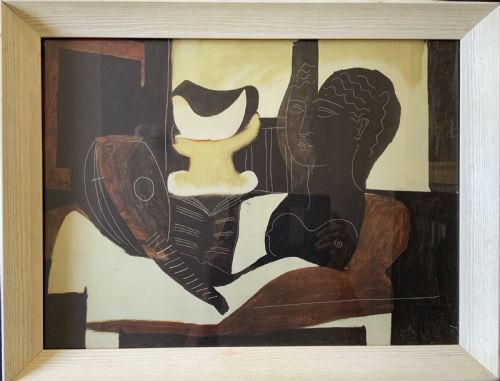
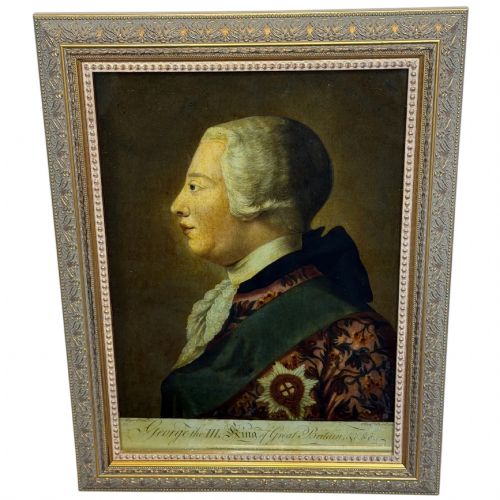
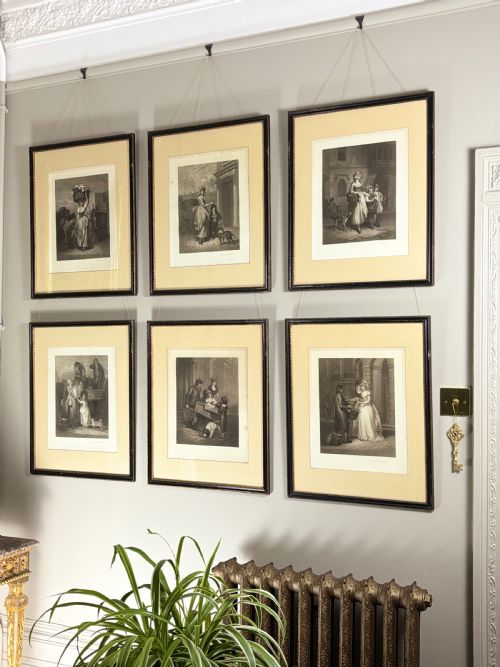
When you search for a framed london picture, you encounter a diverse collection of artworks and prints depicting the capital's landmarks, rivers and streets across various eras. The pieces range from eighteenth-century engravings and silhouette portraits to mid-century abstract prints and twentieth-century oil paintings.
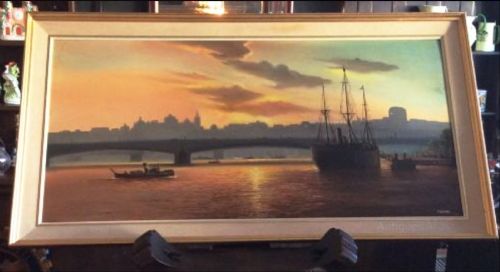
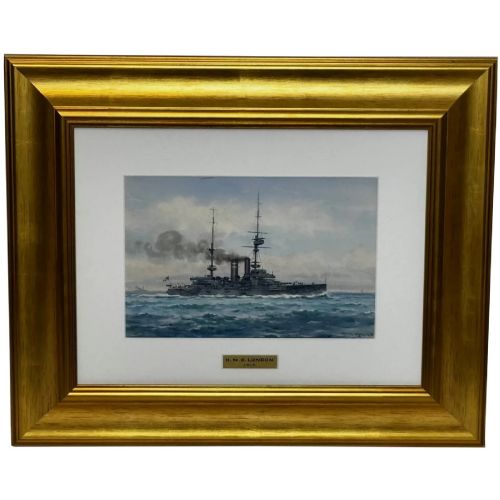
Most items you will meet on this page lean heavily towards topographical scenes, maritime views of the Thames, and historical portraits tied to specific London locations such as the Tower or Waterloo Bridge. These works vary widely in scale and medium, reflecting both formal artistic output and contemporary commercial publishing.
How they were made
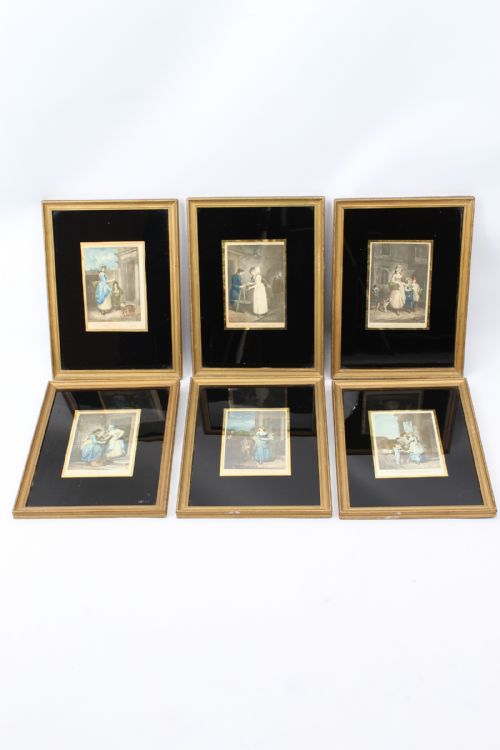
The physical construction of these pieces relies on traditional painterly and printmaking methods executed on paper, canvas or glass. Artisans utilised oil on canvas, watercolour, ink, and reverse painted mezzotint techniques to create the primary imagery.
Framing materials play a significant structural role in the presentation of these works, frequently incorporating wood, gold leaf, and giltwood. Some items feature specialised housing such as silver photograph frames produced by silversmiths.
The site listings span from the 18th century to the mid-20th century, utilising mediums such as oil on canvas, watercolour, and glass.
What varies in quality
The distinction between tiers of quality rests upon the execution of the hand and the preservation of the primary medium. Original oil paintings and signed watercolours command greater attention than mass-produced prints or later mechanical reproductions.
The integrity of the original frame and mounting materials also dictates the overall standard of the piece. Gold leaf, period glass, and maker-stamped silver elements elevate the physical preservation and contextual value of the artwork.
William James Hubard·Frank Watson Wood·Richard Purcell·Charles William Wyllie·Thomas G Appleton·Samuel Henry Alken·William Comyns·Henry J Neave
The Framed London Picture Glossary
- Mezzotint
- A printmaking process of the intaglio family, where the plate is roughened to produce dark tones and scraped to create light areas. This technique allows for subtle gradations of shade.
- Silhouette
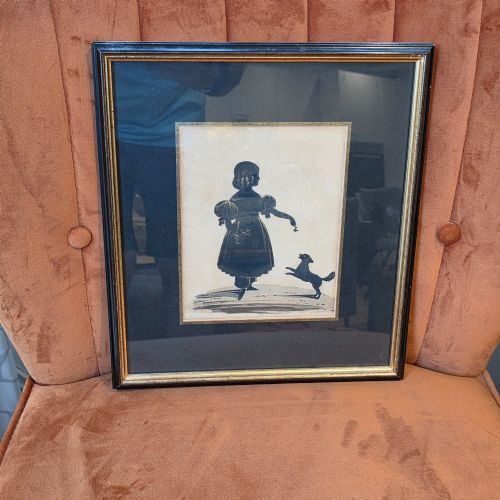
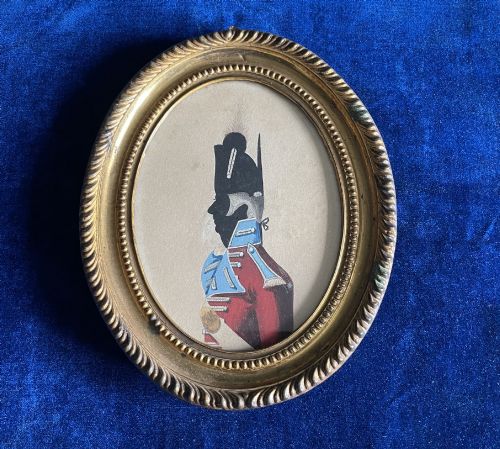
- A portrait represented as a solid shape of a single colour, usually black, edged with matching lines or cut from paper. These profiles were particularly popular in the eighteenth and nineteenth centuries.
- Reverse painted
- A technique where an image is painted directly onto the underside of glass, creating a glossy finish when viewed from the front. It requires precise planning as the artist must apply details in reverse order.
- Giltwood
- Wood that has been treated with gold leaf or gold paint to give a metallic surface finish. It appears frequently on traditional frames surrounding historical watercolours and oils.
Framed London Picture: Frequently Asked Questions
How do I date an old city view?
Dating relies on architectural landmarks, clothing styles of figures depicted, and the construction methods of the frame. Signatures and inscriptions on the reverse often provide specific provenance.
Paper stock and printing techniques also offer clear chronological markers for identifying nineteenth-century works from earlier periods.
Are these works original or printed reproductions?
The selection includes both unique hand-painted works and historical printed editions. Close inspection under magnification reveals the pigment buildup of oils and watercolours compared to the ink dot patterns of prints.
Signatures, plate marks, and paper textures help distinguish original engravings from modern copies.
How should I hang and light these pieces?
Hang artwork away from direct sunlight to prevent the fading of watercolours, paper, and pigments. Stable interior humidity protects both the canvas and the wooden frames.
Use gentle, low-heat picture lights or ambient room illumination to avoid thermal damage to fragile nineteenth-century materials.