

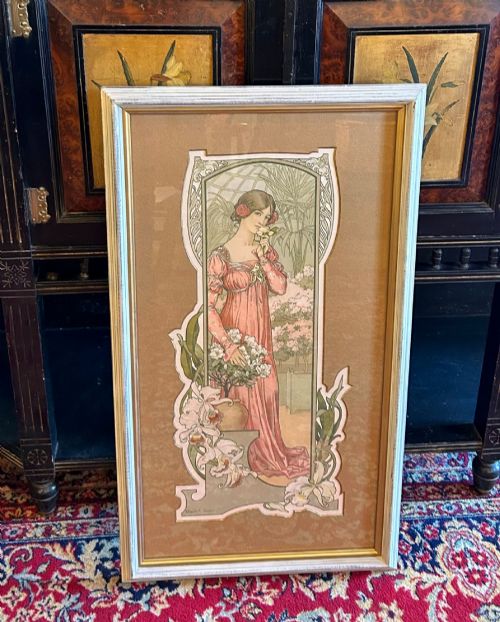
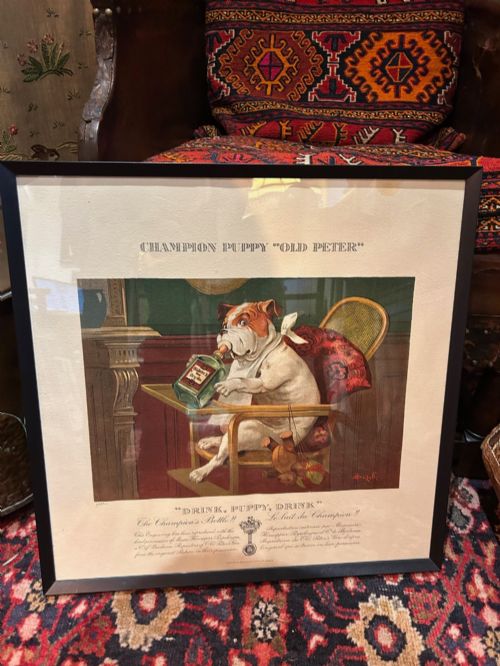
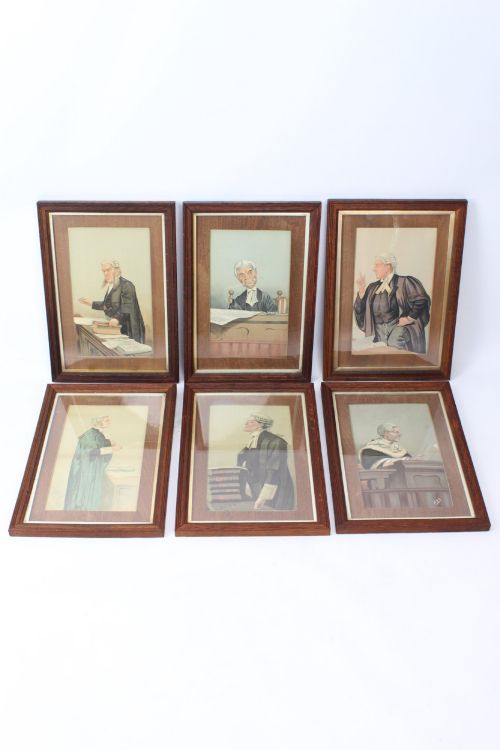
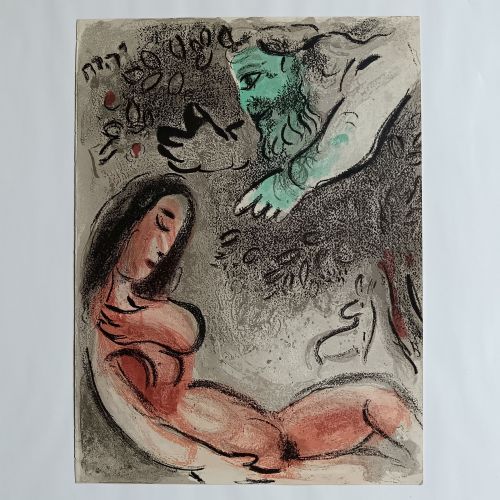
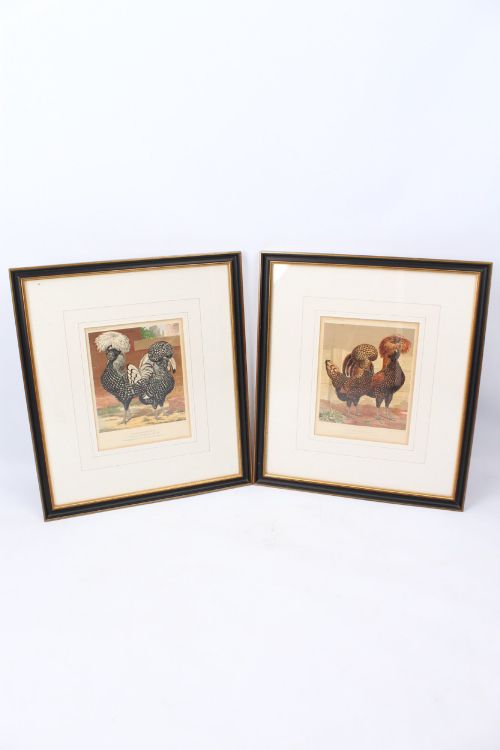
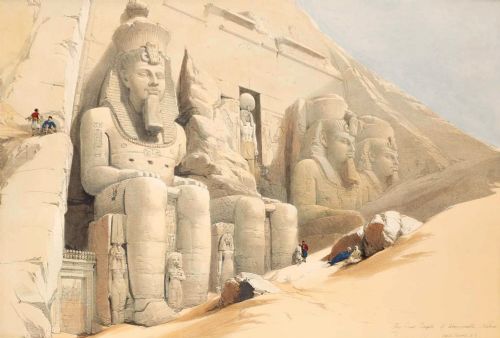
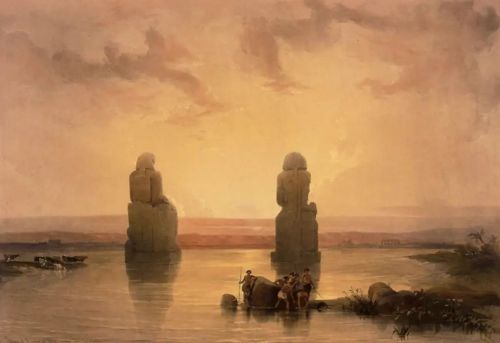
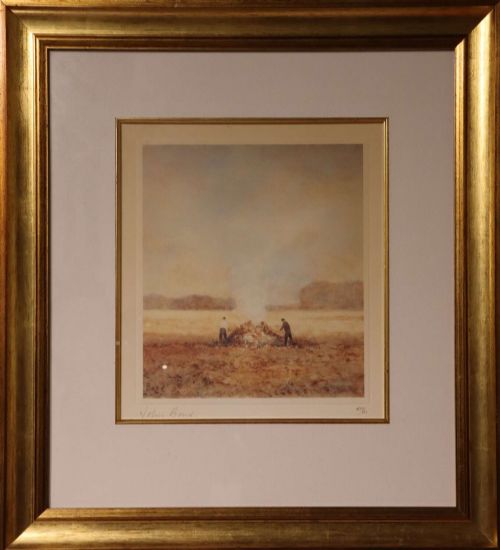
Framed Lithograph Prints
Framed lithograph prints bring graphic colour and historic scenes to walls through inked stone surfaces held behind glass.
Framed Lithograph Prints
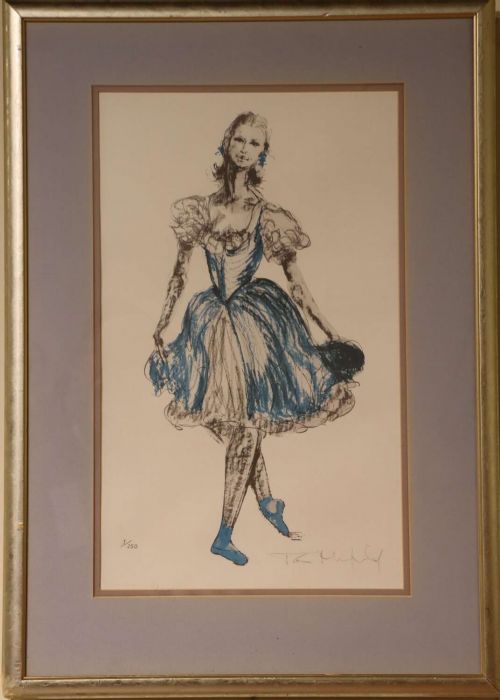
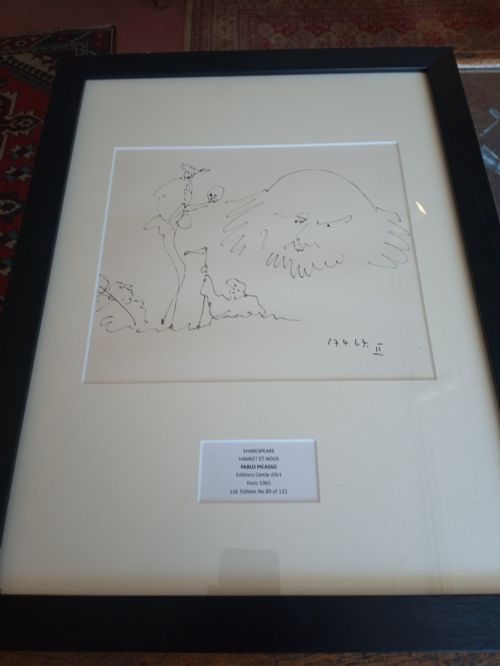
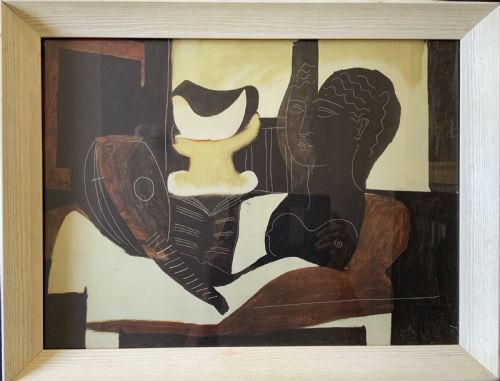
When you search for framed lithograph prints, you encounter works spanning the nineteenth century through the mid-twentieth century, with Victorian subjects and twentieth-century modernism appearing frequently on this page. These pieces range from advertising posters and botanical plates to sporting scenes and architectural views, all preserved behind glass in period timber surrounds.
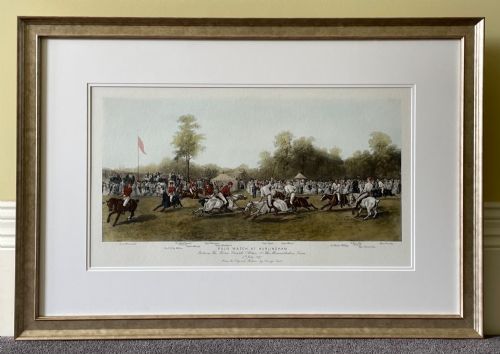
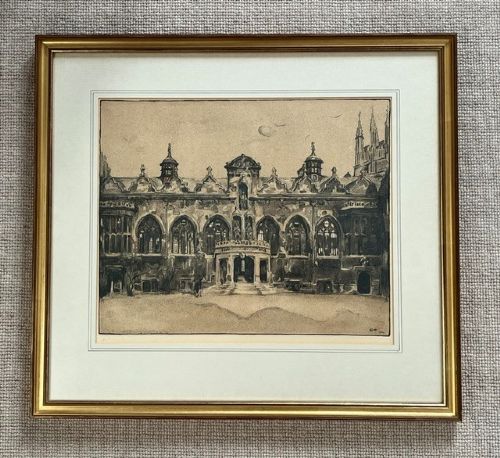
The format covers single sheet plates, magazine supplements, and limited edition works from British and continental workshops. You meet subjects as varied as polo matches, cat studies, academic scenes, and modernist abstraction housed in wooden frames.
The physical form combines printed paper with protective glazing and structural framing, maintaining the flat plane of the original image while giving it immediate wall presence. Most examples retain their period character through the patination of the timber and the slight yellowing of the paper base.
How they were made
The core technique relies on planographic printing from limestone or metal plates, where greasy drawn marks accept ink while damp blank areas repel it. Many plates receive hand-colouring or use multiple stones for chromolithography, building up rich hues through successive press runs.
Finished sheets are mounted behind glass and secured inside wood frames, which often incorporate gold leaf, gilt wood, or simple dark mouldings. The combination of paper, ink, and glass protects the delicate surface while the timber frame provides structural rigidity.
Listings feature works from the nineteenth century to the mid-twentieth century, utilising paper, glass, wood, ink, and gold leaf.
What varies in quality
Quality depends on the register of the printing, the vibrancy of the ink, and the presence of artist signatures or atelier stamps. Stronger examples display crisp ink transfer without blurring, holding fine details in facial expressions or architectural lines.
The integrity of the framing materials also differentiates pieces, with original gilt wood or gold leaf surrounds indicating higher-tier production compared to modern replacements. The condition of the paper surface, free from heavy foxing or fading, further elevates the piece.
Donald Grant·Sir William Nicholson·Elisabeth Sonrel·Marcellin Auzolle·Marc Chagall·David Roberts·John Bond·John Meredith·Pablo Picasso·C. H. Weigall·J.C Burgess·Horatio Henry Couldrey·Edwin Henry Landseer·Titian·Louis Haghe·Charles Edward Wilson·Louis Wain
The Framed Lithograph Prints Glossary
- Chromolithography
- A planographic printing method using multiple stone plates to produce a multi-coloured image. Each colour requires a separate stone and precise alignment during the printing process.
- Lithography
- A printing technique based on the chemical repulsion of oil and water on a flat stone surface. The artist draws directly onto the limestone with a greasy medium before rolling ink across the stone.
- Gilt wood
- Timber carved or moulded and coated with a thin layer of gold leaf or metallic powder. This finish adds reflective warmth to the framing surrounding the print.
- Pochoir
- A stencil-based colouring technique used to apply hand-applied watercolours or gouache to printed plates. This method yields sharp edges and vivid tones.
- Foxing
- Brown spots and discolouration appearing on aged paper caused by chemical reactions in the pulp or mould exposure. Collectors observe these age marks as indicators of vintage authenticity.
Framed Lithograph Prints: Frequently Asked Questions
How do I identify a true lithograph?
Examine the surface under magnification to check for a flat, planographic ink layer rather than raised plate marks or dot patterns. Genuine lithographs show continuous ink coverage without the strict geometric grids of modern offset printing.
Older examples often display subtle tonal variations and fine chalk textures directly tied to the artist's original drawing on the limestone block.
Can I remove the print from its frame?
Removing vintage prints from original frames risks damaging fragile historic paper and disrupting old backing seals. Many pieces rely on their historic housing to maintain structural stability and prevent environmental damage.
If reframing is necessary, retain all original components, including glass and backing boards, to preserve the historical integrity of the object.
What is the difference between a poster and a print?
Posters serve commercial or advertising functions, such as theatrical announcements or product promotions, and are typically produced in larger quantities for public display. Prints often originate as independent art editions, book plates, or portfolio plates intended for private collections.
Both utilise lithographic techniques, but their initial purpose and distribution methods differ significantly.
How should I care for framed paper art?
Keep framed paper works away from direct sunlight and areas prone to high humidity to prevent fading and foxing. Stable indoor temperatures protect both the paper fibres and the wooden framing materials.
Use a soft, dry cloth to dust the glass surface gently without applying liquid cleaners directly onto the frame joints or backing.