



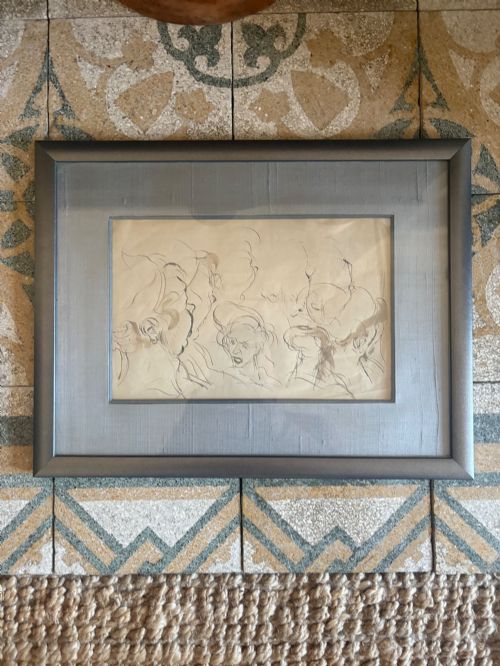


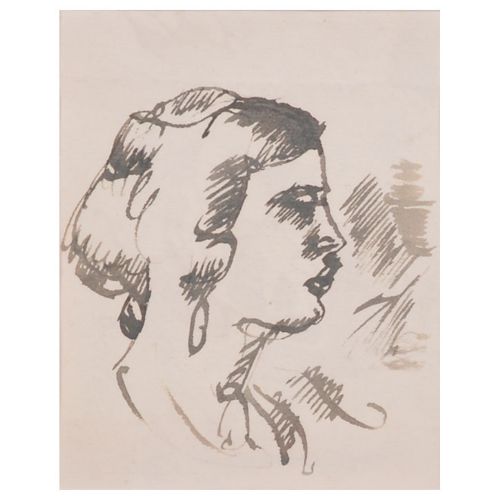

Framed Line Drawing
A framed line drawing carries the direct mark of the hand, bringing centuries of portraiture, architectural study and illustration straight to the wall.
Framed Line Drawing
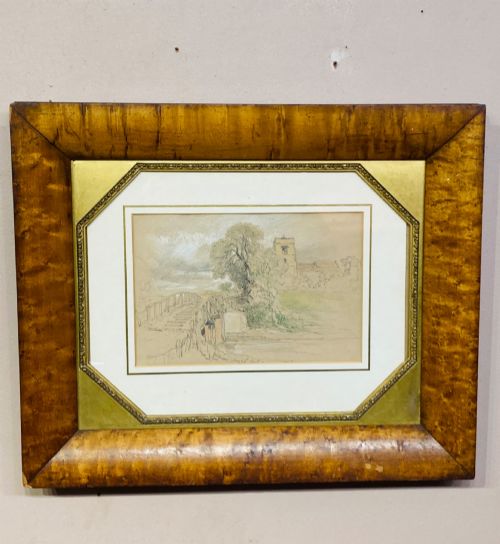
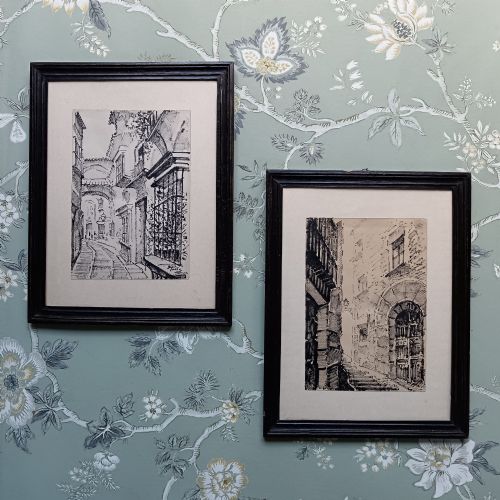
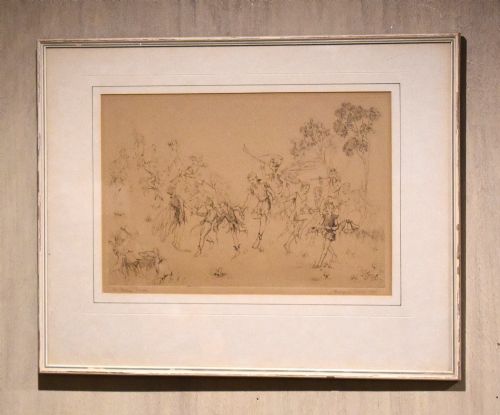
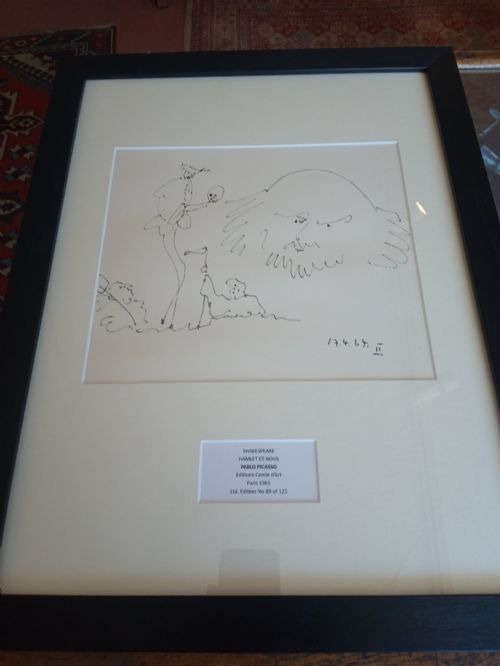
A framed line drawing spans distinct eras of the past two centuries, ranging from nineteenth-century theatrical studies and neoclassical Homeric illustrations to mid-century architectural works and modernist ink studies. These pieces take the form of original drawings, preparatory studies, and fine art works on paper executed with pen, ink, watercolour, and gouache.
The aesthetic vocabulary stretches from English and Spanish school landscapes to French romanticism and modern British illustration. Buyers frequently encounter works framed in wood or giltwood alongside glass, preserving delicate paper supports from environmental wear while highlighting the precision of the drawn mark.
Dating ranges from the nineteenth century through the Edwardian era into the nineteen-forties and nineteen-sixties, with occasional twentieth-century prints and later modern pieces. Each period contributes a distinct approach to line work, whether through the rigid geometry of architectural sketches or the fluid gestures of figure studies.
Materials and construction
Paper serves as the primary support across these works, paired with ink, watercolour, and gouache to build the image. Artists apply dark inks with pens or fine brushes to establish crisp contours, occasionally washing pigments across the paper to add tone.
Framing materials typically combine wood or giltwood with protective glass. These enclosures safeguard the vulnerable paper supports against dust and moisture while giving the works a finished, wall-ready presentation.
Framed Line Drawing Retail Price Guide 2026
Typical asking prices for framed line drawing among the pieces listed under this phrase on Sellingantiques today, from the lower quarter to the upper quarter. They describe what is for sale here now, not the wider market.
Fairies, theatrical hypochondriacs, and Homeric heroes share wall space here.
Assessing quality and execution
Quality rests upon the confidence of the hand and the economy of the line. A strong drawing demonstrates deliberate control and purposeful execution, where every stroke defines form or shadow without hesitation.
The synergy between the artwork and its period frame influences the overall integrity of the piece. Scroll-mounted giltwood or period wooden frames that complement the exact era of the paper work elevate the presentation considerably.
Alfred Dehodencq·Fred Lawson·James Tower·John Duncan Fergusson·John Flaxman·Lucien Freud·Marjorie L Davies·Pablo Picasso
The Framed Line Drawing Glossary
- Preparatory study
- A preliminary drawing executed by an artist to plan a larger composition, painting, or sculpture. These works capture raw artistic intent and spontaneous adjustments.
- Neoclassical
- A style drawing inspiration from the classical art and culture of ancient Greece and Rome. Works in this manner emphasise restrained compositions and clear, precise outlines.
- Giltwood
- Wood that has been coated with a thin layer of gold leaf or gilt paint. This finish appears frequently on nineteenth-century and period frames.
- Gouache
- An opaque water-based pigment used to build solid areas of colour alongside ink lines. It provides heavier coverage than standard watercolour.
- Works on paper
- A broad category encompassing drawings, prints, watercolours, and other media created on paper supports. They require specific conservation care due to their sensitivity to light.
Framed Line Drawing: Frequently Asked Questions
How do I care for a framed line drawing?
Keep works on paper away from direct sunlight to prevent the ink and watercolour pigments from fading over time. Maintain stable room temperatures to protect the paper support and wooden frame.
Ensure the glass remains intact and sealed to keep dust and atmospheric pollutants away from the delicate surface of the drawing.
Are these drawings original works?
Many examples are unique original pen and ink drawings or preparatory studies executed directly on paper by the artist's hand. These carry individual brushstrokes and ink variations.
Other selections consist of prints and lithographs produced in limited editions, reflecting the reproduction techniques of their respective periods.
How can I tell the age of a frame?
Older frames often feature hand-carved wooden mouldings, giltwood scrollwork, and traditional joinery methods visible on the reverse. The type of backing boards and fasteners also offer clues to the period.
Twentieth-century iterations generally display simpler wooden profiles and modern hardware securing the glass and paper within.
What subjects are most common?
The selections frequently include architectural studies, landscape views, anatomical sketches, and figurative portraiture. Literary and theatrical illustrations also appear across different decades.
Subjects range from precise topographical scenes to expressive modernist studies of children and figures.