



Framed Life Study
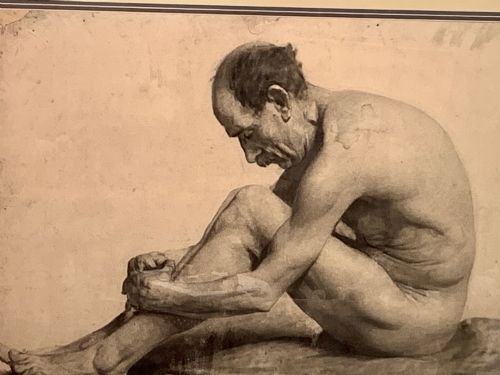
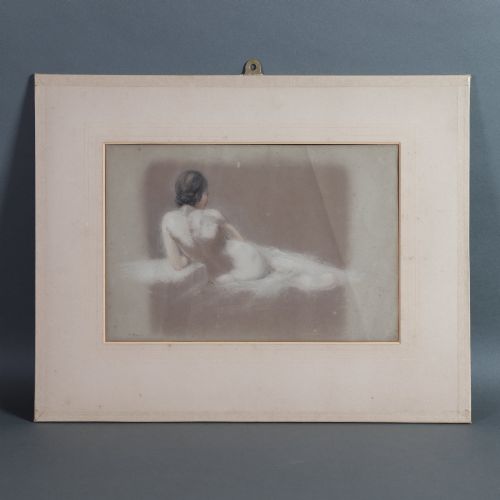
A framed life study captures the human form drawn or painted directly from a live model, offering an intimate glimpse into academic training and artistic practice.
Framed Life Study
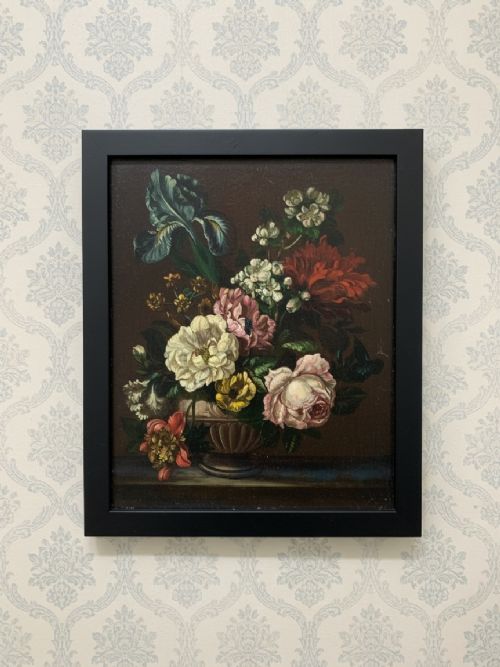
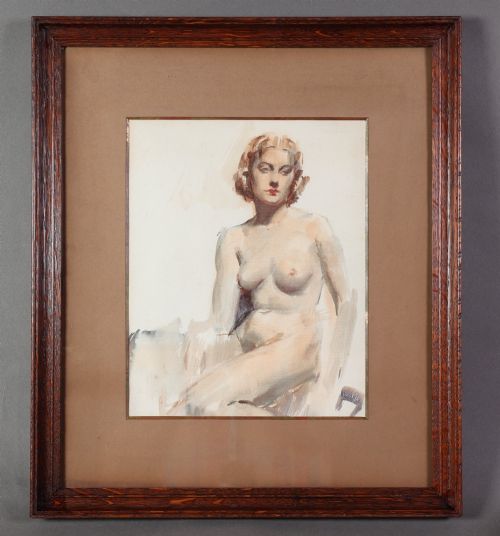
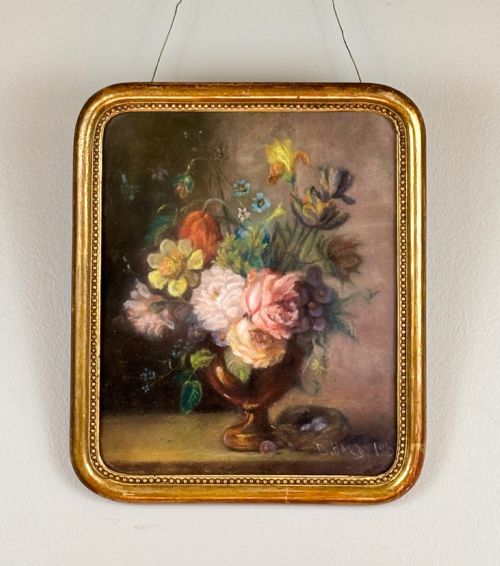
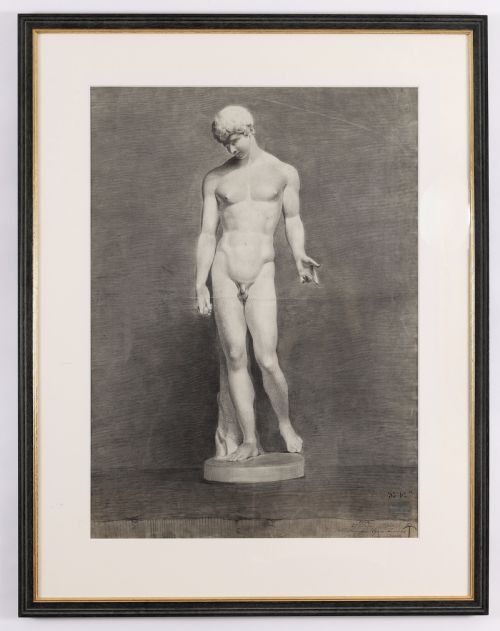
A framed life study typically presents a drawing or painting executed from a living model, often originating from academic settings or private studios across the nineteenth and twentieth centuries. These pieces encompass detailed charcoal and chalk renderings, pencil sketches, and oil paintings that document the rigorous observation of the human anatomy.
Buyers examining this selection frequently encounter works associated with Victorian academic realism, Edwardian traditions, and mid-century modern interpretations. The subjects range from seated and standing figures to expressive portraits housed within period wooden and gilt frames.
Materials and Techniques
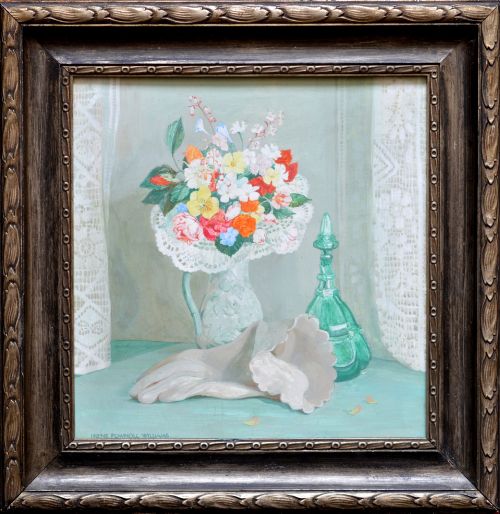
These works rely upon traditional paper, canvas, and wooden panels as supports, providing the foundation for charcoal, graphite, pastel, watercolour, and oil paint. Artists applied these mediums with careful attention to tone, line, and shadow to articulate muscular structure and posture.
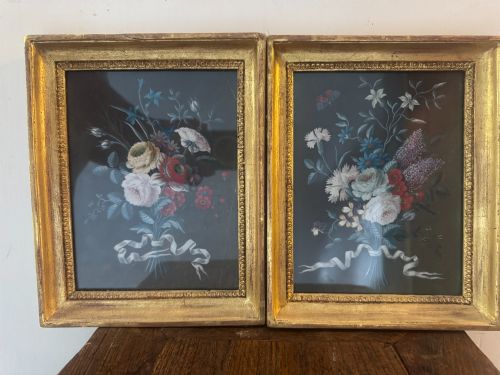
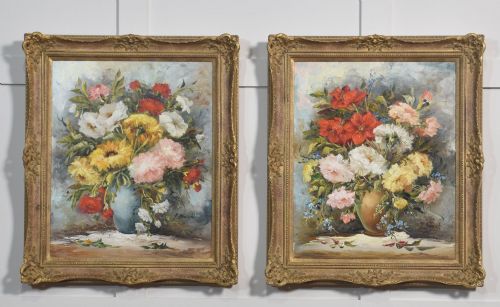
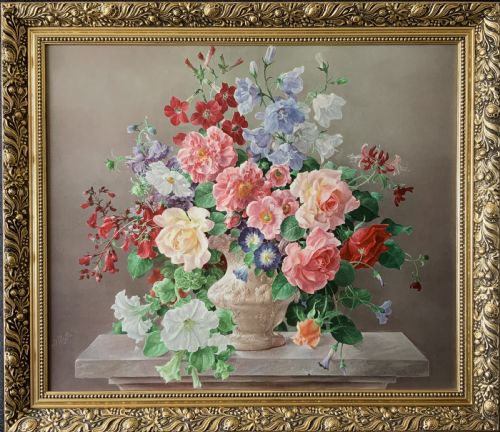
Enclosing these studies required protective glass alongside timber frames, frequently enhanced with gold leaf accents to complement the muted tones of the artwork within.
Framed Life Study Retail Price Guide 2026
Typical asking prices for framed life study among the pieces listed under this phrase on Sellingantiques today, from the lower quarter to the upper quarter. They describe what is for sale here now, not the wider market.
The listings span from the nineteenth century through the mid-twentieth century, featuring paper, canvas, and wooden panel supports.
Assessing Artistic Execution
The strength of a life study rests upon the confidence of the draughtsmanship and the accuracy of proportion in capturing the human form. Superior examples demonstrate a deep understanding of light and shadow that gives volume to the figure, whereas lesser works rely on rigid outlines without anatomical conviction.
The integration of the artwork with its original frame also influences the overall integrity of the piece. Matching a period frame to the date of the study preserves the historical context of the work.
William Etty·Augustus John·Marion Broom·Alice Macallan Swan
The Framed Life Study Glossary
- Academic Realism
- A style of painting and drawing produced under the influence of European academies of art. It emphasises precise anatomical accuracy and classical proportions.
- Grisaille
- A painting executed entirely in shades of grey or neutral monochrome. This technique often served as a preparatory exercise for tonal harmony.
- Oleograph
- A mechanical colour print on canvas that imitates an oil painting. These prints replicate the texture and appearance of genuine brushwork.
- Gouache
- An opaque water-based paint that dries to a matte finish. It provides stronger coverage than traditional watercolour.
Framed Life Study: Frequently Asked Questions
What is a life study?
A life study is an artwork created by observing a living model directly. Artists produce these to master anatomy, gesture, and light.
These pieces range from rapid charcoal sketches to fully realised oil paintings.
How do I date a framed study?
Dating relies upon stylistic markers, materials, and framing techniques. Victorian academic works often feature darker palettes and precise graphite hatching.
Twentieth-century examples tend toward looser brushwork and varied modernist approaches.
Where should I hang these artworks?
These pieces suit studies, libraries, and living spaces where their intimate scale can be appreciated up close. Direct sunlight should be avoided to protect paper and watercolour pigments.
Pairing them with neutral wall colours allows the wooden frames and tonal contrasts to stand out.
Are these works original?
The selections include original hand-drawn and painted works executed on paper, canvas, or panel. Vintage reproduction prints also appear among the offerings.
Examining the surface texture and medium helps distinguish unique drawings from printed iterations.