



Framed Life Drawing
A framed life drawing captures the human form directly from the model, bringing centuries of academic observation straight to the wall.
Framed Life Drawing
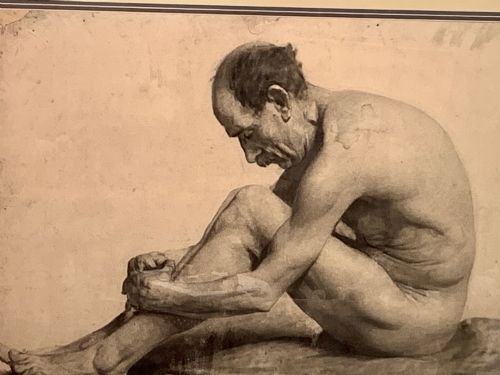
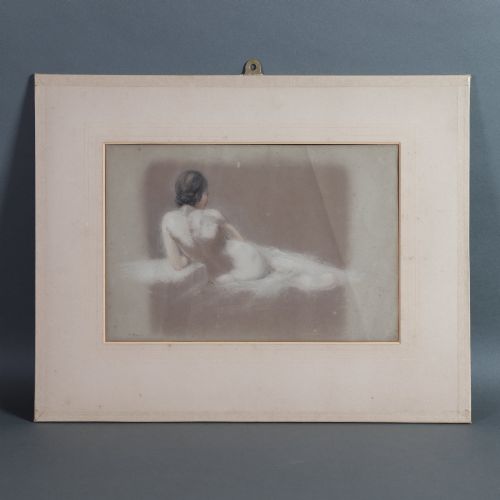
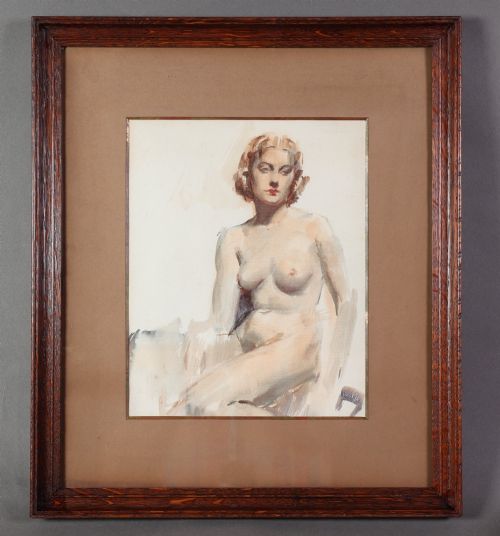
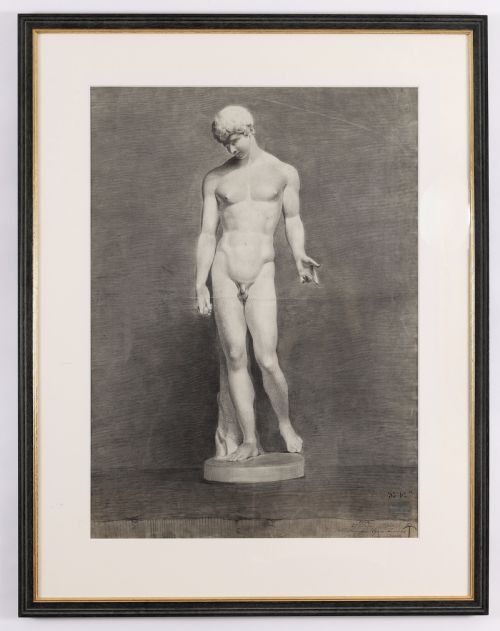
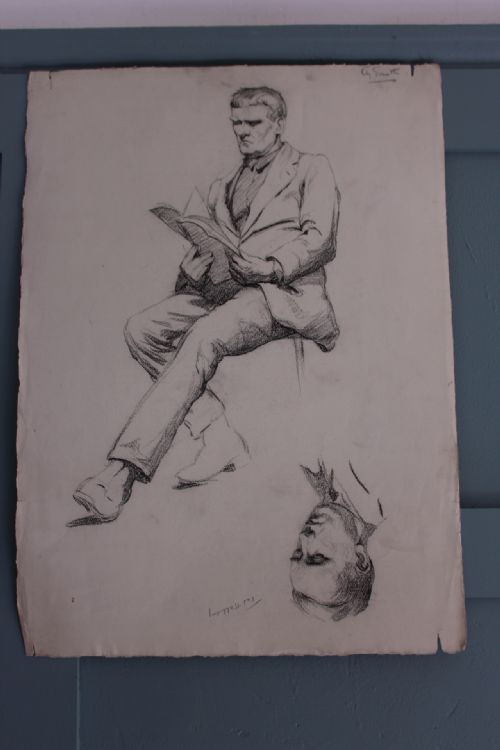
A framed life drawing represents a direct record of the human figure, created in studio sessions ranging from the nineteenth century through the mid-twentieth century. These works appear across styles such as academic realism, modern British, and mid-century modern, reflecting the changing priorities of art schools and independent artists over generations.
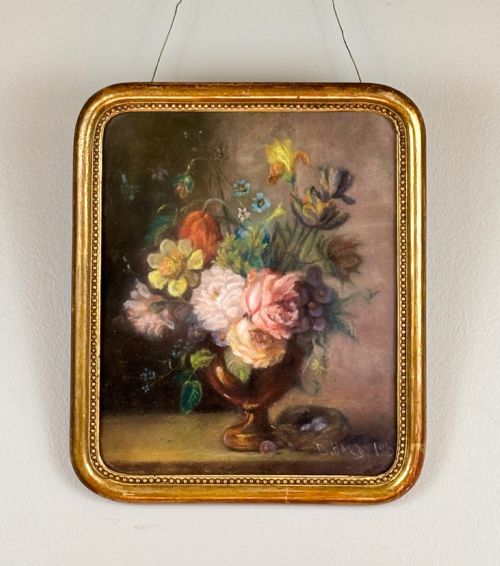
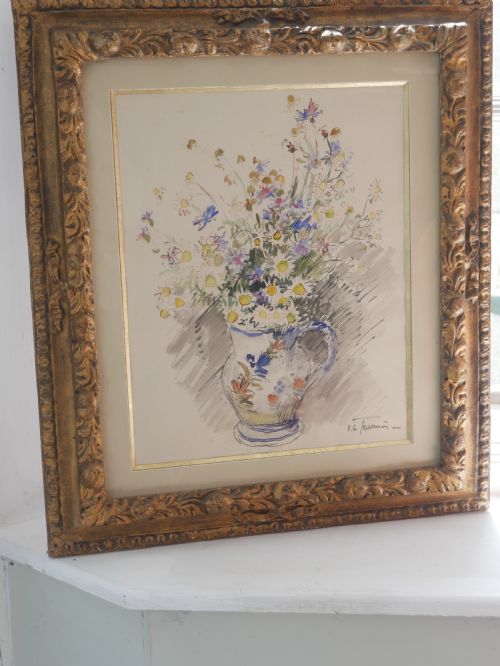
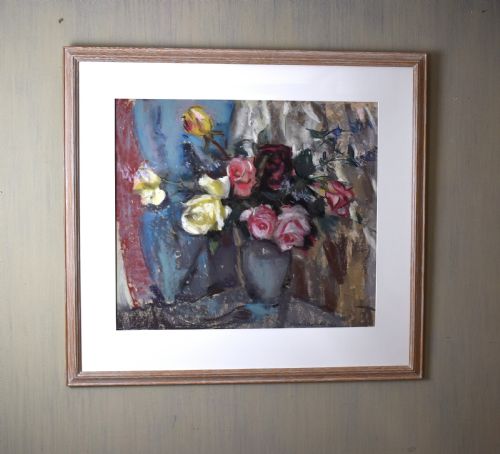
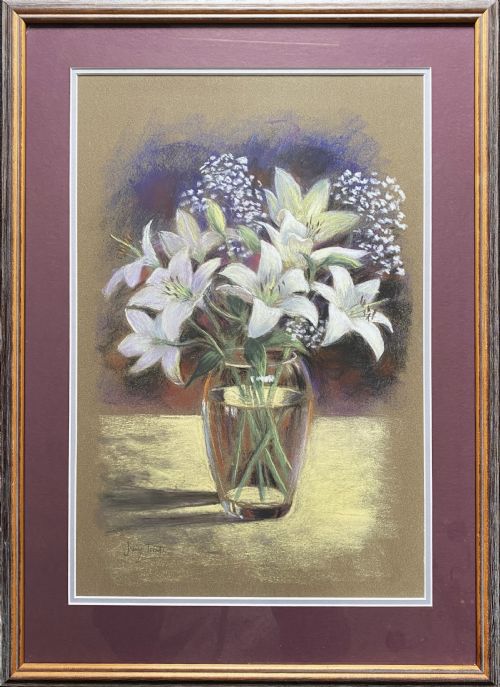
The most common examples on this page date from the nineteenth century and the mid-twentieth century, capturing male and female figures in seated, recumbent, or standing poses. Alongside direct figure studies, the selection includes related studio work such as portraits and still life subjects created in compatible media.
Makers and signatories range from recognised figures such as William Etty, Augustus John, and Frank Dobson to unassigned student submissions and academy entries. Each piece bears the marks of the drawing room or atelier, preserved within traditional timber frames behind glass.
Materials and technique
These works rely primarily on dry and water-soluble media applied to paper supports, utilising charcoal, pastel, graphite, chalk, crayon, and watercolour. Artists often combined these materials in mixed media studies or grisaille pencil exercises to build tonal depth and define musculature.
Surviving pieces are almost universally presented in wooden frames beneath protective glass, safeguarding fragile charcoal and pastel particles from smudging and environmental wear. The framing methods span period mouldings that match the active dates of the drawings.
Framed Life Drawing Retail Price Guide 2026
Typical asking prices for framed life drawing among the pieces listed under this phrase on Sellingantiques today, from the lower quarter to the upper quarter. They describe what is for sale here now, not the wider market.
Artists frequently reused canvases or paper backs, occasionally hiding forgotten sketches on the reverse of the primary study.
Evaluating craftsmanship
Quality rests upon the sureness of the hand and the accuracy of proportion, where confident line work distinguishes accomplished academic studies from hurried exercises. The handling of shadow and light to convey volume separates master draftsmen from casual practitioners.
Condition plays a central role in valuation, specifically the stability of fragile mediums like pastel and charcoal against the paper surface. Intact historical frames and clean, unbleached paper without severe foxing preserve the integrity of the original studio piece.
William Etty·Augustus John·Henry Arthur Roberts·James Tower·Lucien Gibert·Lena M Alexander·Winifred Eugene Ballard·Willem E Roelofs jr·Jennifer Toombs·Frank Dobson·John Parry
The Framed Life Drawing Glossary
- Academic Realism
- A style of painting and drawing produced under the influence of European academies of art, emphasising precise anatomy and traditional techniques.
- Grisaille
- A painting or drawing executed entirely in shades of grey or neutral monochrome, often used to simulate sculpture or establish tonal values.
- Recumbent
- Reclining or lying down, a common pose for life models in nineteenth-century and twentieth-century studio practice.
- Mixed media
- The employment of two or more distinct artistic materials, such as charcoal and watercolour, within a single composition.
- Grand Prix de Rome
- A prestigious scholarship competition for art students, requiring extensive preparatory drawings and academy submissions.
Framed Life Drawing: Frequently Asked Questions
What is a life drawing?
A life drawing is an artwork created by observing a live model directly in the studio, focusing on human anatomy, posture, and gesture.
These pieces served as foundational training for artists or stood alone as finished works of fine art.
How should I hang these drawings?
Keep works on paper away from direct sunlight to prevent the fading of charcoal, pastel, and watercolour pigments.
Ensure the room maintains stable humidity to protect both the fragile paper support and the antique wooden frame.
How do I date a drawing?
Examine the style of the framing, the type of paper stock, and any visible signatures or dates inscribed by the artist.
Clothing, hair styling, and the artistic movement visible in the piece also offer strong clues to its decade of creation.
Are these works original art?
Each listed piece is a unique hand-drawn or painted work rather than a mechanical reproduction or modern poster.
Artists applied media directly to paper during live studio sessions, meaning no two sheets are identical.