

Framed Italian Art
Framed Italian art brings centuries of rich portraiture, Venetian waterways and classical revival scenes directly into domestic spaces through oils, watercolours and historic giltwood settings.
Framed Italian Art
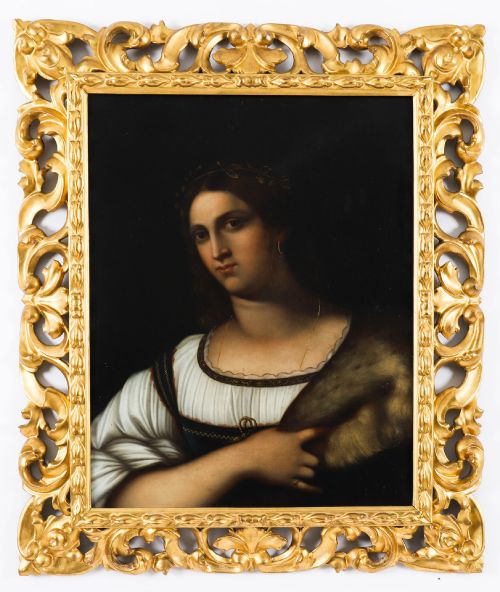
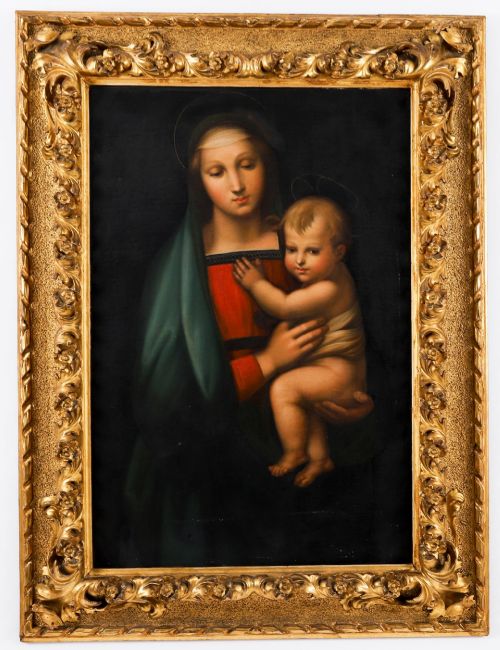
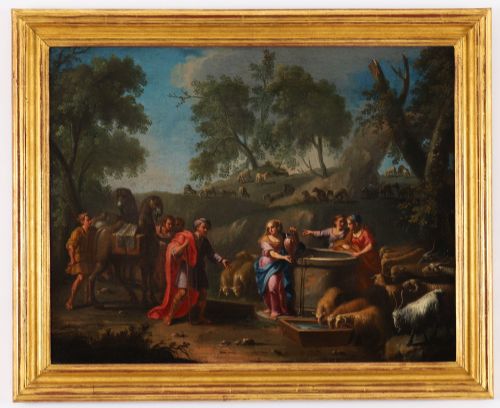
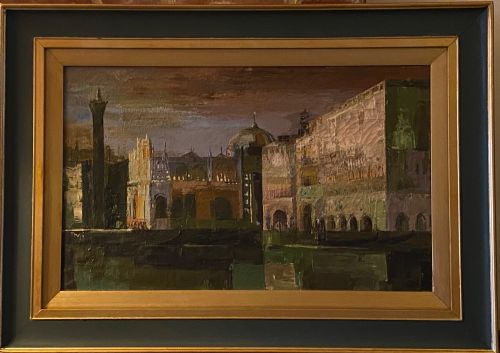
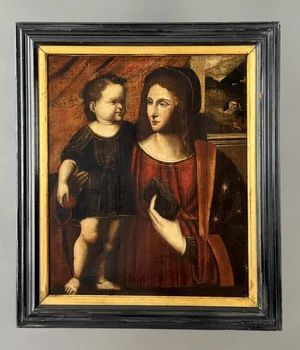
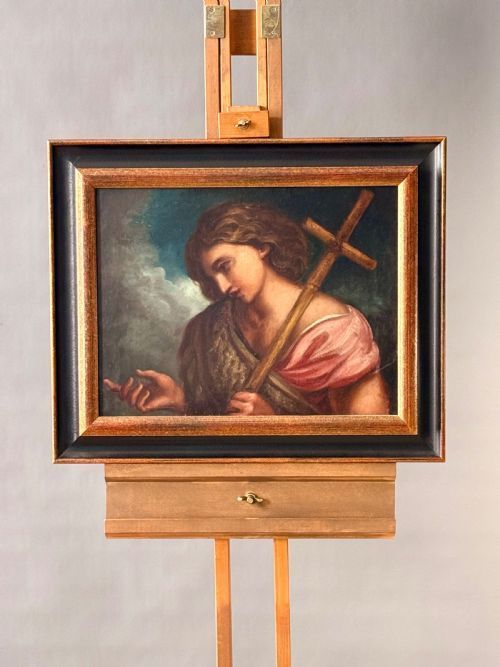
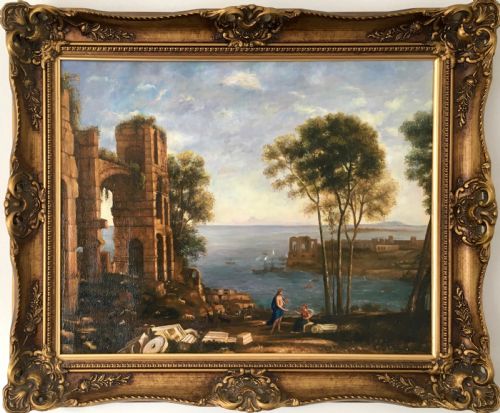
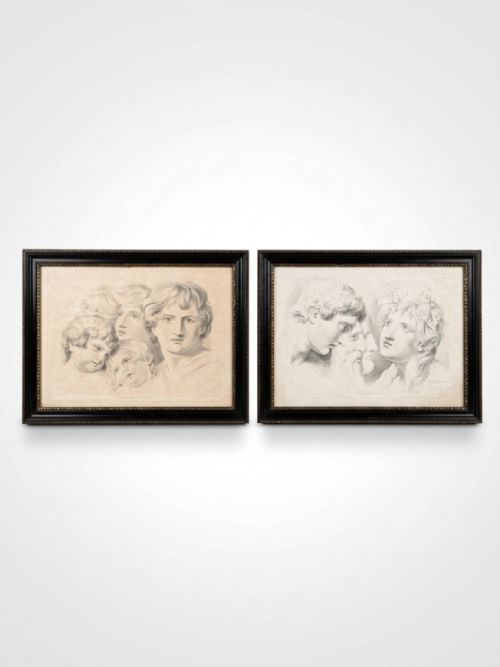
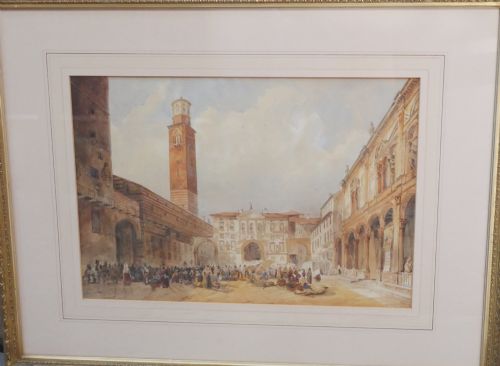
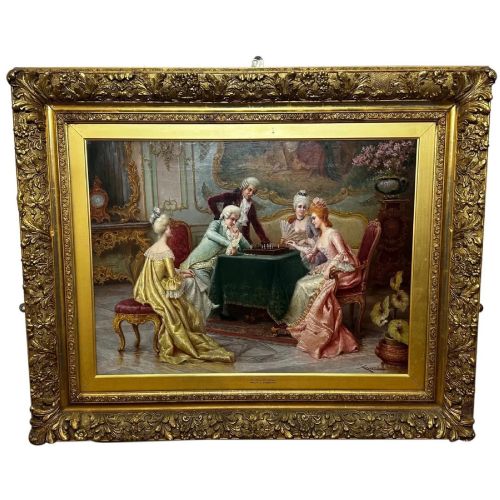
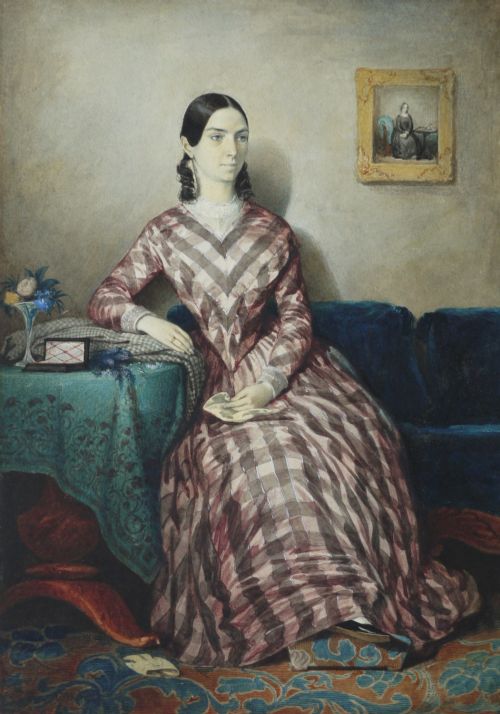
When you search for framed italian art, you encounter a diverse range of works spanning from sixteenth-century religious compositions to nineteenth-century Grand Tour watercolours. The selections frequently include oil paintings on canvas depicting Venetian canals, noble portraits and mythological subjects set within ornate surrounds.
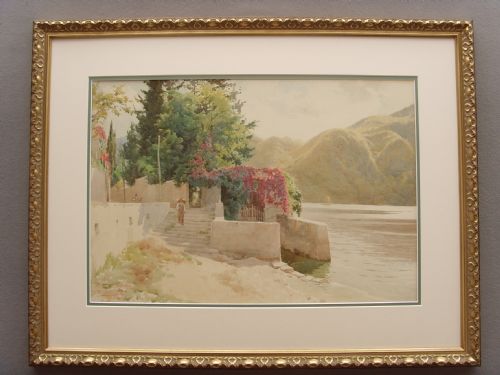
The nineteenth-century pieces dominate many gatherings, offering romantic views of the lagoon or pastoral Tuscan landscapes produced for travelling collectors. Alongside these, earlier old master studies and revival school pieces provide a direct connection to classical European traditions.
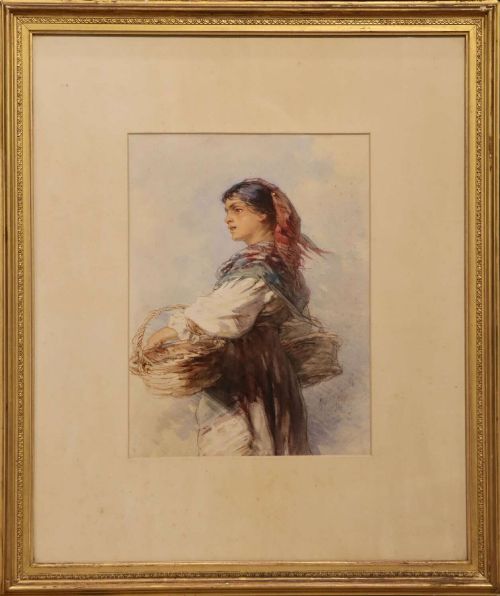
Works on paper and canvas alike arrive encased in period enclosures, ranging from swept giltwood frames to carved wooden mouldings. These assemblies capture the enduring appeal of Mediterranean light and historic portraiture for modern interiors.
Materials and Techniques
Artists relied primarily on oil paint applied to woven canvas or wood panels, building up deep tones through layered glazes and opaque pigments. Watercolours on paper also capture coastal scenes and architectural studies with swift, luminous washes.
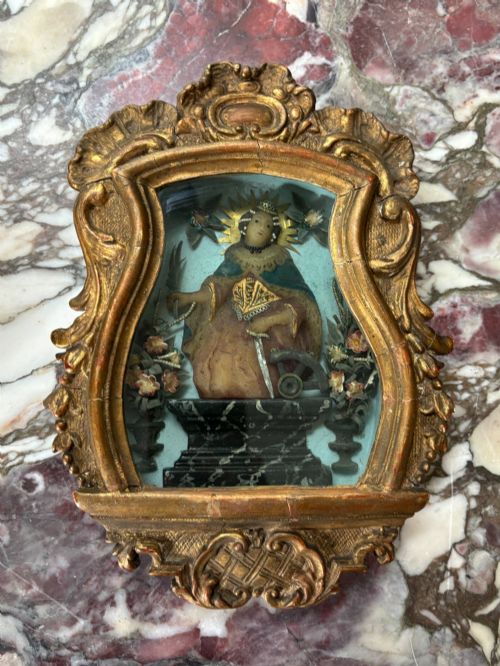
The physical housings rely on carved wood finished with gold leaf or giltwood, creating reflective borders that enhance the luminosity of the paintings within. Glass additionally protects delicate watercolours and pastels from environmental damage.
Subtle physical evidence such as pentimento layers - where artists altered their compositions during the painting process - reveals the direct working methods behind these historical canvases.
Listings feature oil on canvas, watercolour, and pastel mediums housed in carved giltwood and wood frames.
Assessing Quality and Execution
The standard of execution separates works by named artists and established studio circles from anonymous school copies. Confident brushwork, anatomical precision and atmospheric depth distinguish superior canvases from simpler decorative efforts.
The integrity of the original framing contributes significantly to the overall character of a piece. Carved giltwood mouldings that match the period of the artwork hold greater historical cohesion than later replacements.
Condition plays a vital role, with well-preserved paint surfaces retaining their original impasto and subtle tonal gradations without excessive modern intervention or unsympathetic restoration.
Thomas Ellison·Dumini Leopoldo·Benedetto Lutto·Vittorio Reggianini·Augusto Alberici·Pietro Fachetti·Gian Paolo Pace·Alfred Pollentine·Antonio DeVity·Francis Moltino·Bernardino Luini·Michelangelo Meucci·Guillaume Courtois·Umberto Volpato·Carlo Ferranti·Renato Moretti·Robert George Talbot Kelly
The Framed Italian Art Glossary
- Grand Tour
- A cultural journey undertaken by wealthy young Europeans through Italy during the eighteenth and nineteenth centuries, generating demand for local landscape paintings and watercolours.
- Giltwood
- Wood that has been coated with a thin layer of gold leaf or powder, frequently utilised for ornate picture frames during the baroque and revival periods.
- Pentimento
- Visible traces of earlier painting beneath the surface layers, revealing where the artist changed their mind or adjusted a composition.
- Emilian School
- An art historical grouping referring to painters originating from the Emilia-Romagna region of Italy, known for distinct stylistic developments across various centuries.
- Intaglio
- A design engraved into a material such as stone or gypsum, seen in portable Grand Tour panel works.
Framed Italian Art: Frequently Asked Questions
What periods do these pieces cover?
The available works span several centuries, beginning with sixteenth-century Renaissance portraits and seventeenth-century religious compositions. Later nineteenth-century Romantic and Edwardian watercolours are also frequently represented.
This broad chronological range allows collectors to acquire items representing distinct European art historical movements, from old master traditions to nineteenth-century realism and Impressionist interpretations.
How should I hang these framed works?
Selecting a stable wall away from direct sunlight and excessive moisture protects both the canvas or paper and the delicate giltwood frames. Ensuring secure wall fixings is essential given the substantial weight of carved wooden structures.
Allowing adequate spacing around each piece highlights the craftsmanship of the frame and prevents visual crowding within a room.
Are watercolours as durable as oils?
Works on paper require more cautious placement than oil paintings on canvas because watercolours and pastels remain sensitive to ultraviolet light. Protective glass shields the pigment surface from atmospheric dust and physical contact.
When kept out of direct sunlight in stable interior conditions, these works on paper retain their delicate washes and vibrant tones over generations.
How do I identify a revival piece?
Revival works often emulate the stylistic conventions, religious iconography or portrait formats of earlier centuries while utilising materials and canvas preparations characteristic of a later era. Examining the stretcher bars, nails and canvas weave helps clarify the true age of production.
Comparing the handling of light and subject matter against known historical examples further distinguishes a nineteenth-century homage from an authentic sixteenth or seventeenth-century original.