





Framed Geometric Art
Framed geometric art brings clean lines and structural balance to a room through mirrors, paintings, and textiles from the nineteenth and twentieth centuries.
Framed Geometric Art
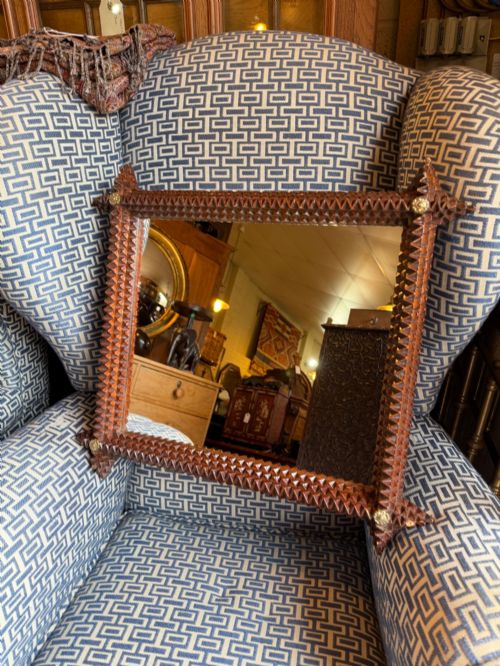
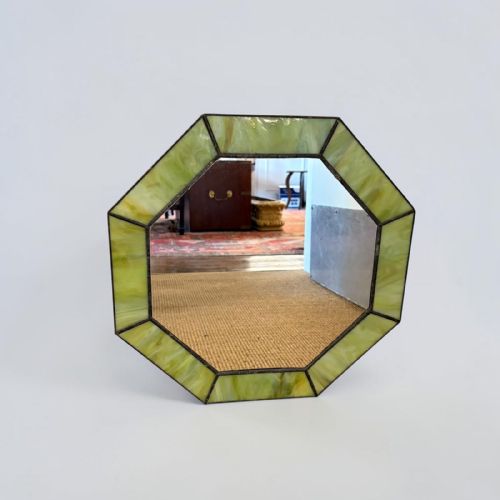
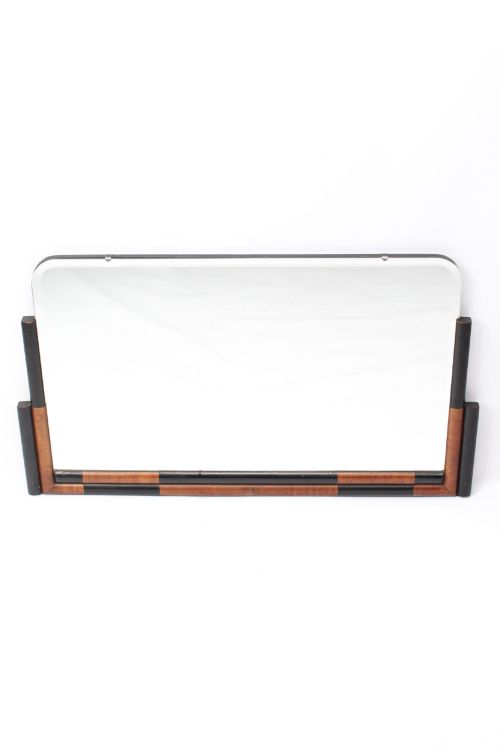
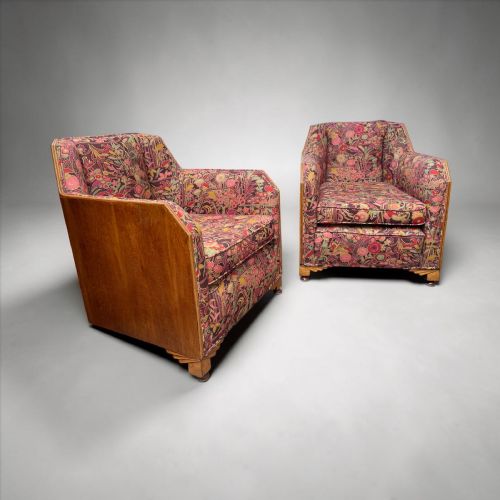
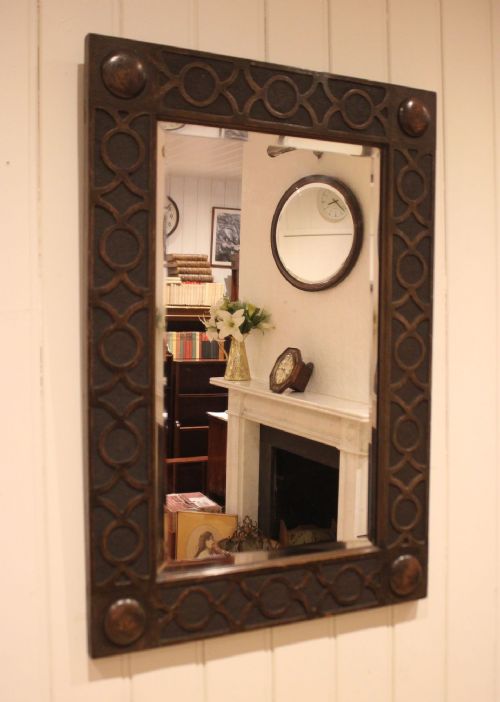
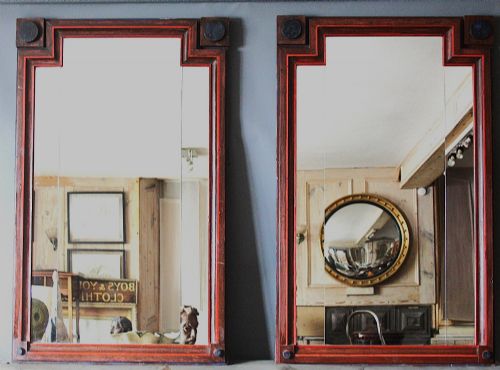
When looking for framed geometric art, you encounter a mix of wall mirrors, paintings, and textile works spanning the Victorian period through the mid-twentieth century. The selection leans heavily towards Art Deco pieces and mid-century abstract works that utilise strong angles and repeating shapes.
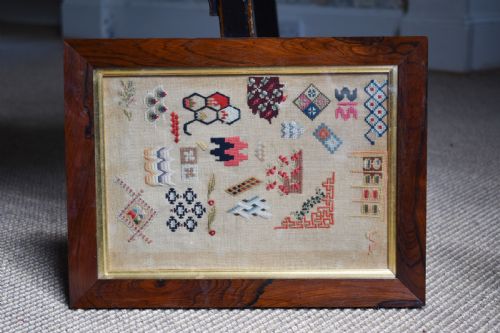
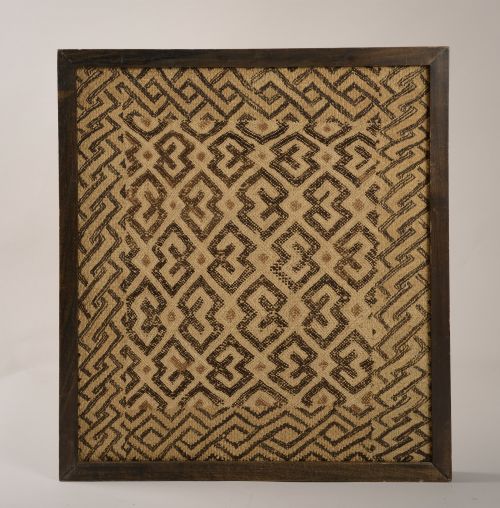
Most examples originate from the 1930s, featuring the characteristic linear motifs and architectural forms of the period. Alongside these, traditional pieces like nineteenth-century needlework samplers and early twentieth-century African textiles provide alternative expressions of pattern.
Buyers meet various physical formats, from oil paintings on board to embroidered Swedish pillows and woven tapestries. The common thread across all items is the reliance on pattern, shape, and disciplined composition.
Materials and construction
Makers built these pieces using traditional media including oil paint on board, glass, and textiles supported by wooden frames in walnut, oak, and ebonised wood. Metal elements in chrome, steel, nickel-plated silver, and brass frequently appear in twentieth-century examples.
Textile works rely on needlework, embroidery, and raffia tapestry techniques to create structured patterns on fabric. Painted and mirrored pieces combine carved or assembled wooden surrounds with bevelled glass and layered pigments.
Framed Geometric Art Retail Price Guide 2026
Typical asking prices for framed geometric art among the pieces listed under this phrase on Sellingantiques today, from the lower quarter to the upper quarter. They describe what is for sale here now, not the wider market.
Listings combine 1930s Art Deco mirrors with 1950s abstract oil paintings and nineteenth-century textile samplers.
Assessing quality and execution
Quality reveals itself in the precision of the composition and the integrity of the materials, whether in the crisp execution of an abstract oil painting or the careful joinery of a wood and ebonised mirror frame. Superior pieces demonstrate deliberate control over proportion and line.
The choice and preservation of materials dictate the standing of an individual piece, from solid walnut frames to well-maintained metal plating on clocks and picture frames. Authenticity of period materials and signed works elevate the overall standard.
The Framed Geometric Art Glossary
- Art Deco
- A design style characterised by sleek lines, geometric shapes, and modern materials popular during the 1920s and 1930s. It heavily influences the mirrors and metalwork found in this category.
- Cubism
- An early twentieth-century avant-garde art movement that revolutionised European painting by breaking subjects down into geometric planes and multiple viewpoints. Works in this style focus heavily on structural form.
- Kuba cloth
- Textile art produced by the Kuba people featuring intricate geometric appliqués and woven patterns. These pieces bring complex linear designs to wall displays.
- Ebonised wood
- Timber treated to resemble ebony, providing a deep black finish that contrasts sharply with lighter woods or metal accents. It frequently defines the borders of period mirrors.
Framed Geometric Art: Frequently Asked Questions
What periods do these pieces come from?
The selection spans from the mid-nineteenth century through the mid-twentieth century, with a strong concentration of pieces from the 1930s Art Deco era.
Earlier examples include Victorian needlework and mid-nineteenth-century embroidery, while later items extend into mid-century abstract art from the 1950s and 1960s.
How do I clean textile art safely?
Textiles benefit from gentle dusting with a soft brush and protection from direct sunlight to prevent fading. Avoid using liquid cleaners on vintage threads and fabrics.
Professional conservation is recommended for delicate pieces like nineteenth-century samplers or traditional woven tapestries.
Are these paintings original works?
Many include original mid-century abstract oil paintings on board by listed artists, along with period interpretations and works after established painters.
Signatures, dates, and documentation assist in identifying the origin and attribution of individual painted works.