



Framed Figurative Pastel
Framed figurative pastel works bring expressive human subjects to your walls through rich dry pigments preserved safely behind glass in period timber moulds.
Framed Figurative Pastel
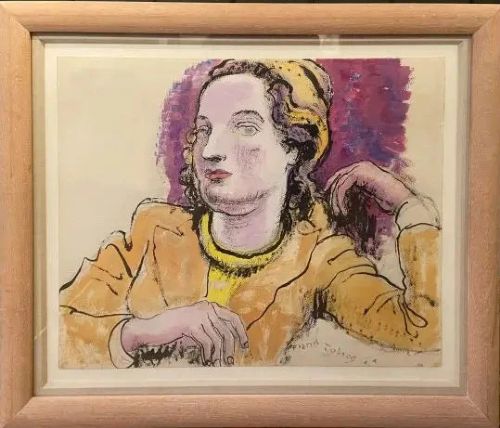
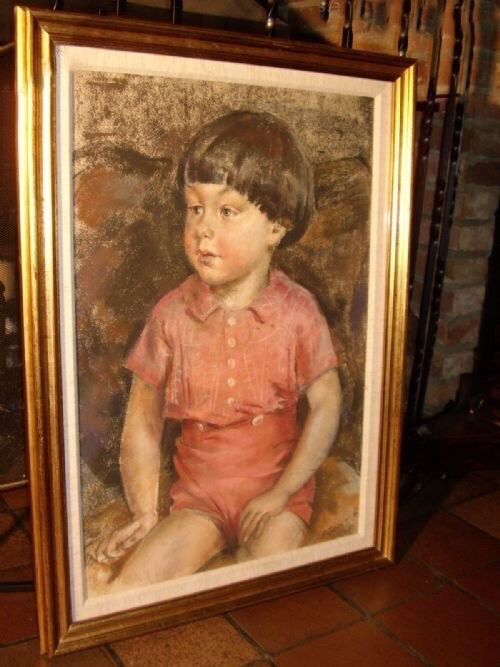
When you search for framed figurative pastel, you examine works centring on human forms executed with soft coloured chalks on paper or board. These pieces originate across the nineteenth century, nineteen-hundreds, nineteen-twenties, nineteen-thirties, nineteen-fifties, and nineteen-sixties, reflecting various twentieth-century movements.
The subjects span portraits of artists' assistants, young boys, theatrical dancers, and female models, alongside mythological scenes such as Theseus and Ariadne. You encounter styles ranging from Art Nouveau and Art Deco to Post-Impressionism, Modern British, and Mid-Century Modern.
Most examples appear ready to hang in wooden frames protected by glass, occasionally incorporating gouache, charcoal, or ink to define details. The selection leans heavily toward mid-twentieth-century British and continental European schools.
How they were made
Artists apply dry pastel pigments directly to paper or prepared board, sometimes combining charcoal, ink, or gouache for foundational lines and tonal depth. Pastels permit rapid blending of colour with fingers or stumps to capture immediate lighting effects on skin and drapery.
Framing is essential for survival because unprotected soft pigment smudges easily upon touch. Wood mouldings house the paper securely behind glass, frequently accompanied by gold leaf accents or mounts that separate the fragile surface from the glazing.
Framed Figurative Pastel Retail Price Guide 2026
Typical asking prices for framed figurative pastel among the pieces listed under this phrase on Sellingantiques today, from the lower quarter to the upper quarter. They describe what is for sale here now, not the wider market.
Listings span the nineteenth century through the nineteen-sixties, utilising paper, pastel, wood, glass, gouache, gold leaf, charcoal, and ink.
What varies in quality
Quality rests upon the sureness of the draughtsmanship and the artist's command of anatomical proportion and lighting across figures. Stronger works capture character and movement with economy of mark, whereas lesser examples rely on laboured blending.
Materials and framing also distinguish the range, as heavier timber mouldings, period gold leaf, and stable paper supports elevate the presentation. The integration of secondary mediums like gouache or charcoal often demonstrates deliberate structural planning rather than casual sketching.
Frank Dobson·Antoine Calbet·Denis William Reed·Usabal y Hernandez·Gaston Bouy·Sonia Lawson
The Framed Figurative Pastel Glossary
- Pastel
- A medium consisting of powdered pigment combined with a binder and moulded into a stick. It yields velvety colour closely resembling pure pigment.
- Gouache
- An opaque water-based paint featuring larger pigment particles than watercolour. Artists use it alongside pastel to deposit solid highlights.
- Art Deco
- A design style flourishing during the nineteen-twenties and nineteen-thirties. It prioritises sleek geometric lines and stylised representations of figures.
- Post-Impressionism
- An art movement extending beyond impressionist light capture toward expressive forms and symbolic colour usage. Works from this tradition emphasise deliberate structure.
Framed Figurative Pastel: Frequently Asked Questions
What is a figurative pastel?
A figurative pastel is an artwork depicting human subjects created primarily using coloured pigment sticks on paper or board.
These pieces capture portraits, dancers, and models through direct application of soft chalks.
Are pastels painted or drawn?
Pastels occupy a middle ground between drawing and painting because artists build up colour masses like paint using dry sticks.
Many listings describe them as pastel drawings or pastel paintings interchangeably.
How do I identify Art Deco pastels?
Art Deco pastels display streamlined elegance, stylised silhouettes, and fashions characteristic of the nineteen-thirties.
Their framing and subject matter often reflect modern urban leisure or theatrical performance.