



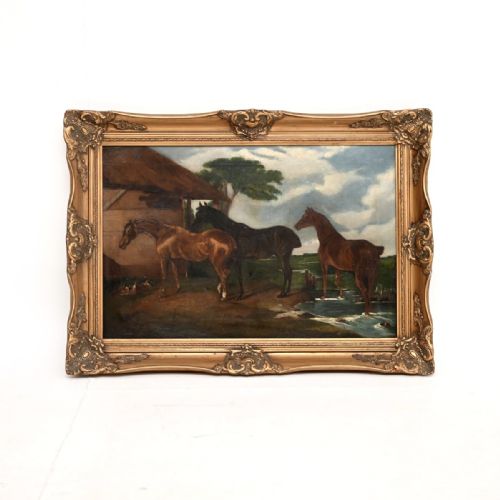
Framed Equine Wall Art
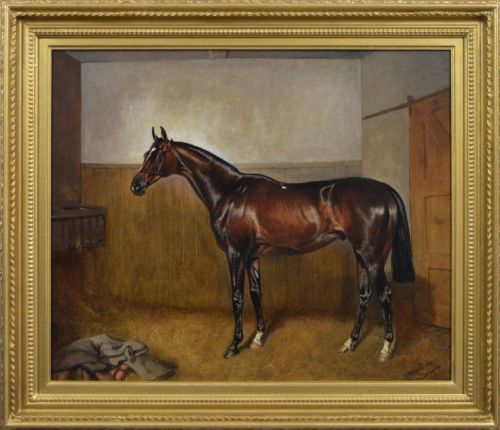
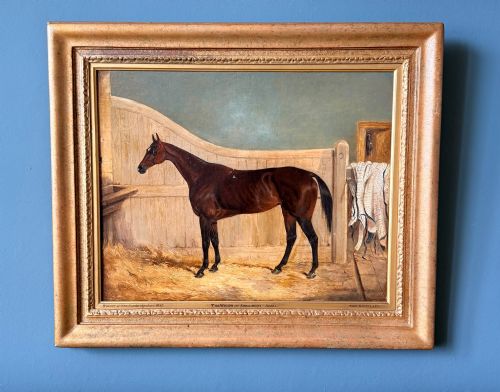
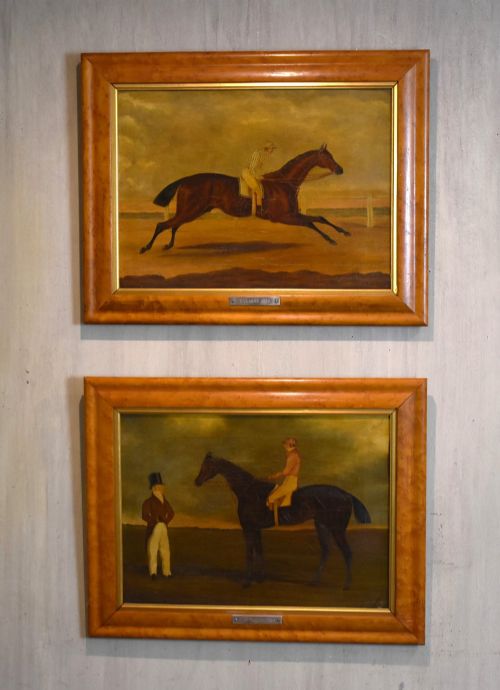
Framed equine wall art captures horses through oil paintings, pastels, and watercolours from Victorian and later periods.
Framed Equine Wall Art
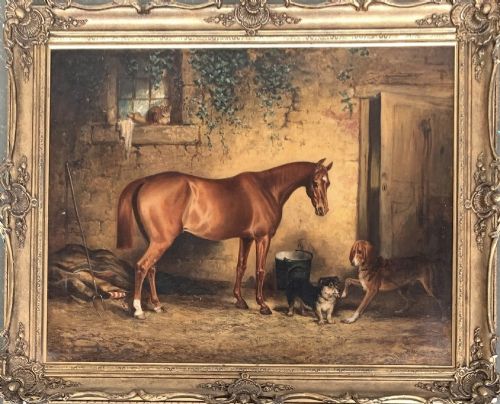
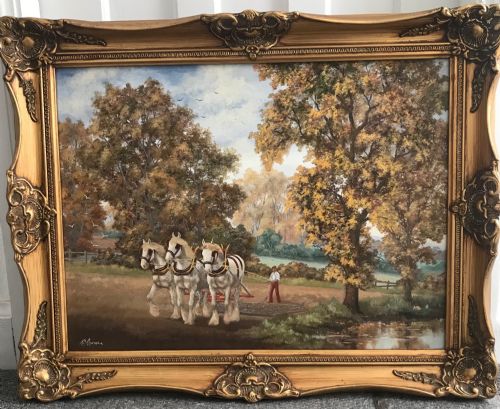
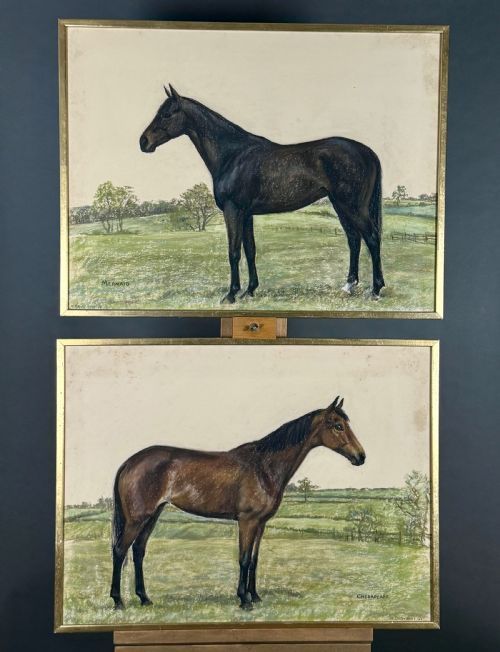
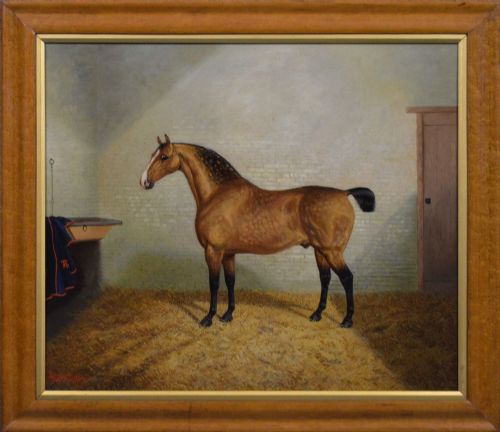
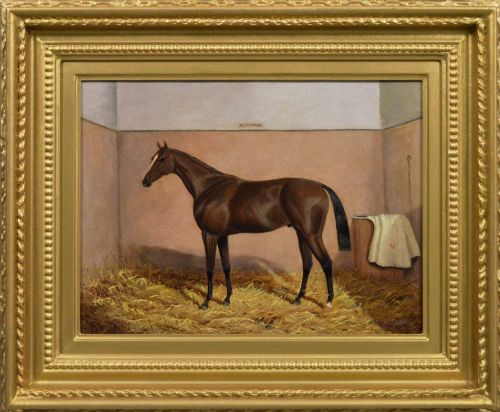
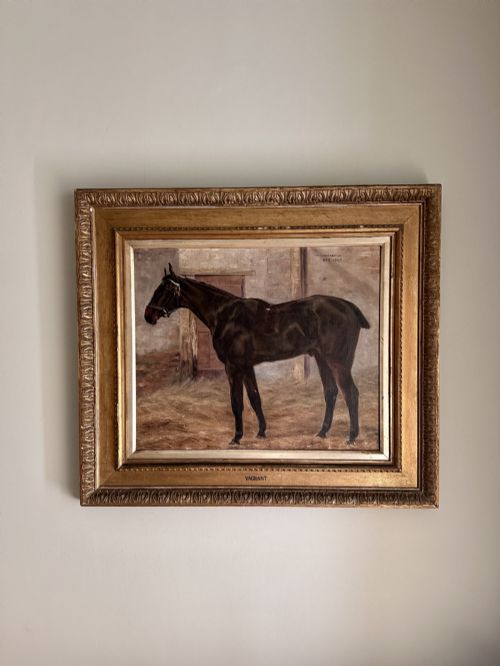
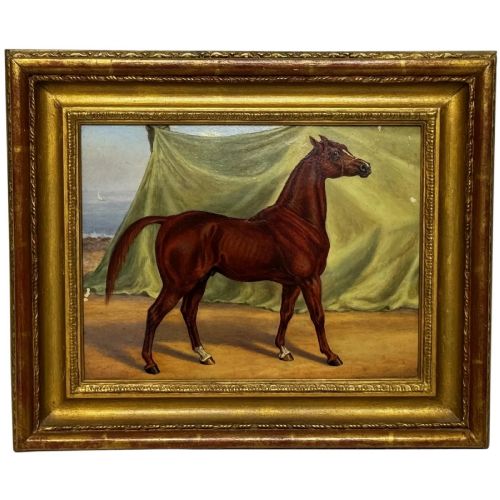
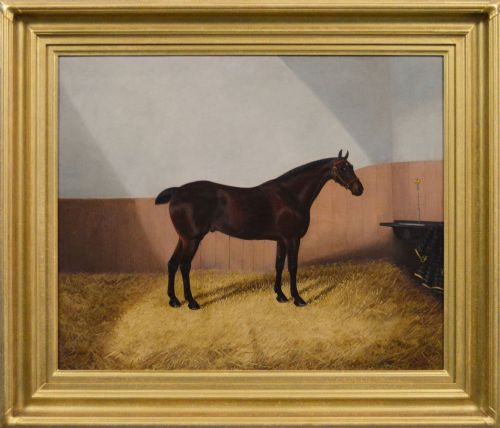
Framed equine wall art encompasses portraits of individual racehorses, hunters, and work horses alongside rural landscape scenes featuring horses. The selection spans the eighteenth century through to the mid-twentieth century, capturing agricultural life, racing history, and animal portraits.
Oil paintings on canvas and panel form the majority of these works, complemented by watercolours, pastels, and framed prints. Many pieces retain period wooden and giltwood frames that match their origin.
Victorian sporting art and traditional country scenes dominate the available selection, reflecting Britain's long history of equine portraiture.
Materials and construction
Artists painted primarily in oil on canvas or wood panels, utilising oil paint to render the musculature and coats of horses in fine detail. Watercolours and pastels on paper offer a lighter medium for studies of foals and racing scenes.
Frames are constructed from wood, frequently finished with giltwood mouldings or simpler painted timber surrounds to house the canvas, panel, or glass protecting works on paper.
One watercolour captures a young foal caught in the act of stealing fruit from a basket.
Factors of quality
Anatomical accuracy and the rendering of light upon the horse's coat distinguish skilled hands from more basic output. Works by named artists demonstrate a firmer grasp of proportion and equine character than anonymous studio pieces.
The integration of the subject within its landscape or stable interior affects the depth of the composition. Detail in the surrounding rural elements and the condition of the original canvas and frame contribute to a piece's standing.
Henry Barraud·Albert Clark·Fred Fitzpatrick·John Alfred Wheeler·John Frederick Herring Snr·John Ferneley Senior·George E Sharpe·Benjamin Cam Norton·Clifton Tomson·Alfred Moginie Bryant·Abraham Cooper RA·Charles Bilger Spalding RA·George Goodwin Kilburne
The Framed Equine Wall Art Glossary
- Giltwood
- Wood carved and covered with a thin layer of gold leaf. This material frequently appears on nineteenth-century picture frames.
- Panel
- A flat piece of wood used as a rigid support for oil painting. Pine and other timbers served this purpose before canvas became standard.
- Provenance
- The documented history of a piece's ownership and origin. This record establishes authenticity and past association with estates or galleries.
- Sporting art
- A genre of painting dedicated to horses, hounds, racing, and shooting. These works record prized animals and sporting events.
Framed Equine Wall Art: Frequently Asked Questions
What periods do these pieces come from?
The works span from the eighteenth century through the Victorian era and into the mid-twentieth century. Most examples date from the nineteenth and early twentieth centuries.
Paintings from the Georgian and Victorian periods reflect the height of British sporting and agricultural portraiture.
How should I hang these framed works?
Consider the weight of the piece, particularly with larger oil paintings housed in heavy giltwood frames. Secure fixings into wall studs or appropriate wall anchors are essential.
Keep pieces away from direct sunlight and moisture to protect canvas, paper, and wooden frames over time.
Are all the paintings originals?
The selection includes original oil paintings, watercolours, and pastels executed by hand, as well as period painted prints and photographic prints. Each listing specifies the exact medium used.
Signatures or attributions to named artists appear on many of the original paintings.
How do I identify the subject of a horse portrait?
Many nineteenth-century works include inscriptions on the canvas, stretcher, or frame detailing the horse's name, owner, or race victory. Famous racehorses like Flying Fox or historical winners are often recorded directly in the title.
Breed characteristics, such as the distinctive build of an Arab stallion or a heavy shire horse, also provide clues to the subject.