


Framed English Countryside Art
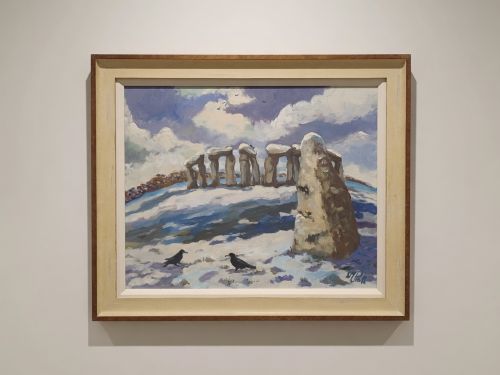
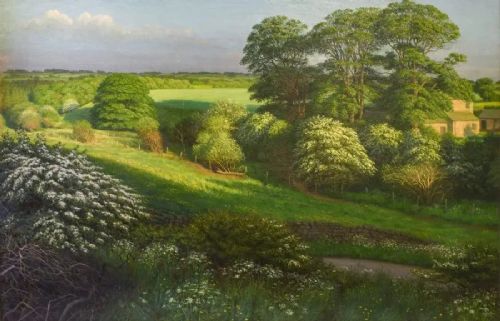
Framed english countryside art captures rural pastoral life through oils and watercolours spanning the Victorian era to the mid-twentieth century.
Framed English Countryside Art
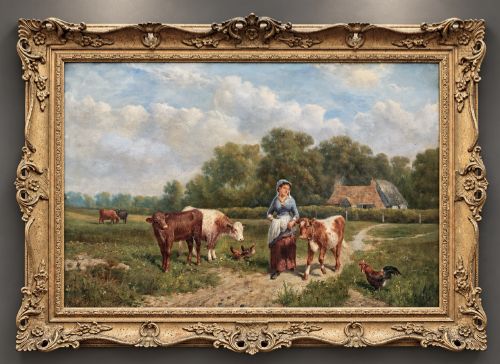
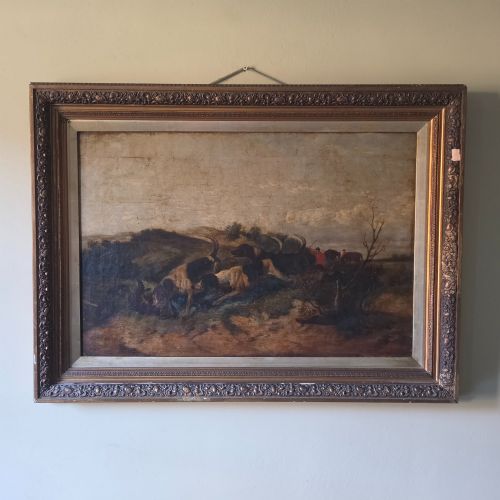
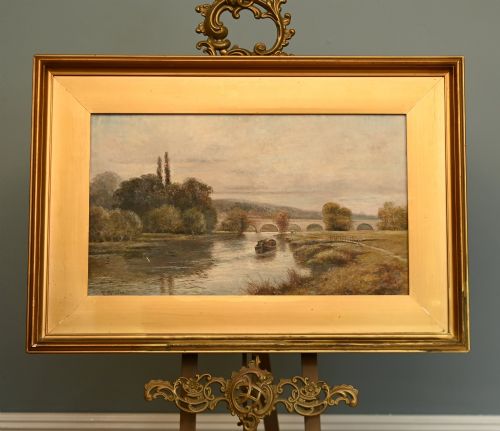
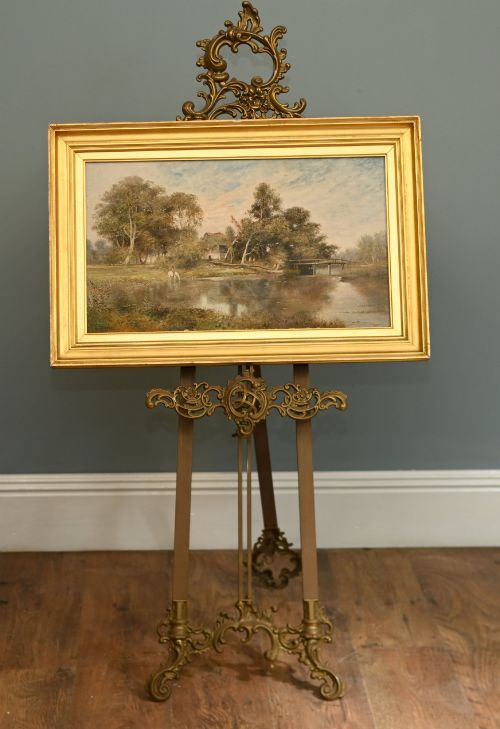
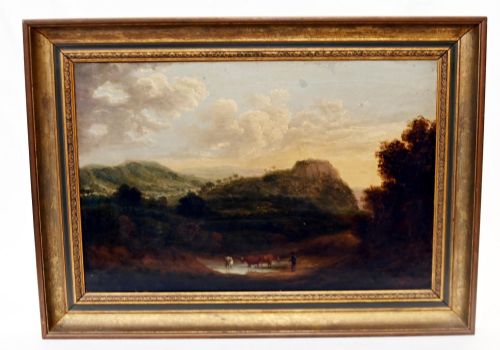
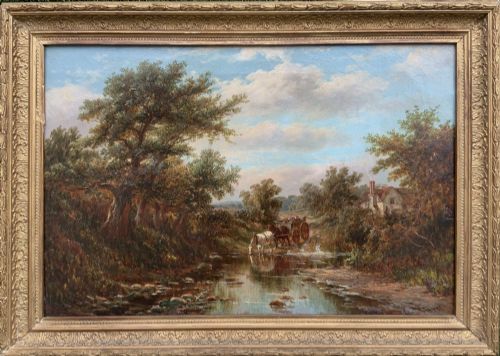
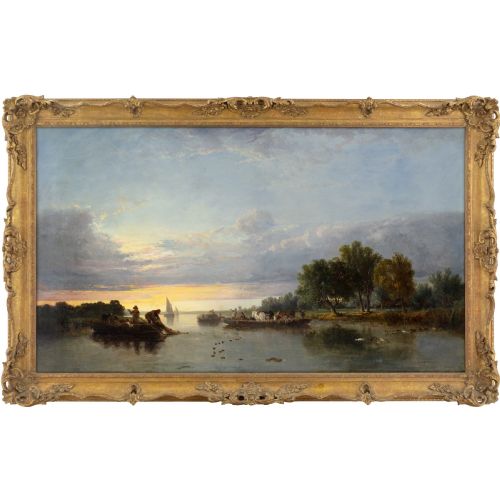
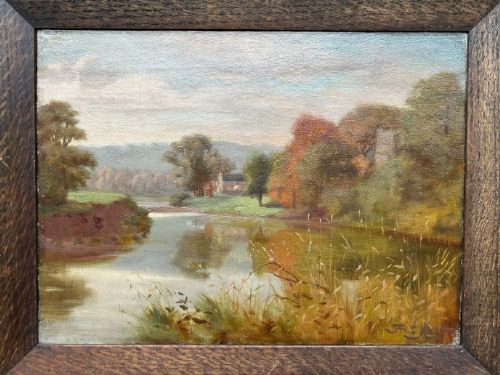
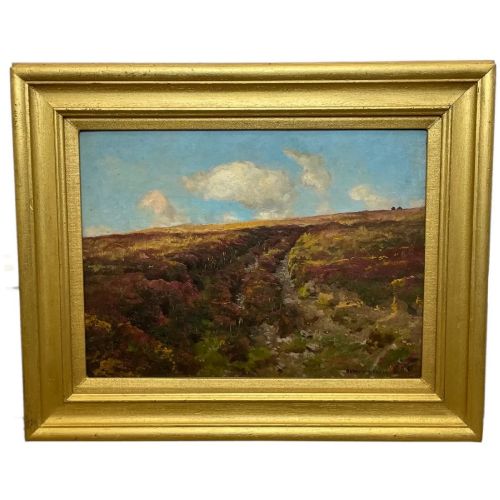
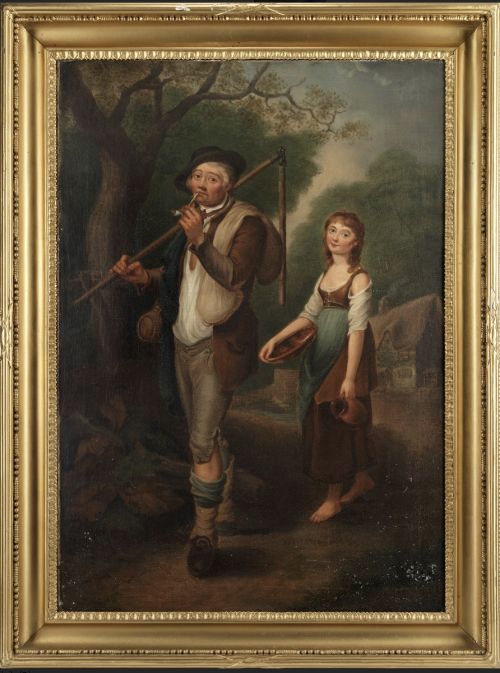
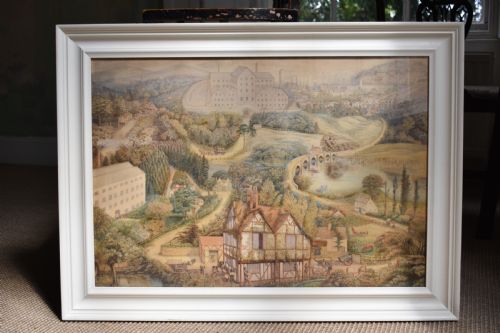
Framed english countryside art brings historical rural scenes into domestic spaces through original paintings on canvas, panel and paper. These works depict rivers, cottages, sheep drovers and village views across various counties from Cornwall to Yorkshire.
Buyers commonly encounter pieces originating from the nineteenth century up through the nineteen-forties. Styles range from Victorian pastoral and naturalism to British impressionism and modern British interpretations of regional topography.
Most selections arrive ready to hang in period wood frames, often with gilded mouldings or simple painted surrounds. The subjects focus squarely on pastoral life, agricultural work and quiet riverbanks rather than grand historical narratives.
How They Were Made
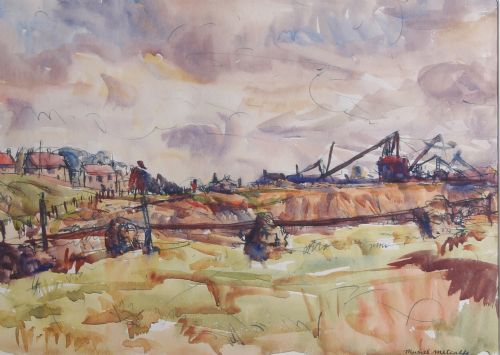
Artists worked primarily with oil paint on stretched canvas or wood panels, alongside watercolours applied to heavy paper. Canvas works often show textured brushwork, whilst watercolour pieces rely on transparent washes over pencil sketches to capture atmospheric light.
Protective framing utilised timber mouldings, frequently finished in gilt or dark wood stains, matched with glass for works on paper. These original surrounds complete the composition and protect the delicate painted surfaces from atmospheric moisture.
Several canvases quietly document sheep blocking rural lanes long before modern traffic ever reached the village.
What Varies in Quality
Technical proficiency in handling light and perspective distinguishes superior compositions from standard topographical records. Stronger works demonstrate confident brushwork and a clear sense of atmosphere rather than rigid adherence to architectural detail.
Condition of the painted surface and preservation of the original frame heavily influence the integrity of a piece. Well-maintained canvases display stable pigment without heavy cracking, whilst watercolours retain their original tonal depth without severe fading from sunlight.
George Graham·Frederick Marriott·Arthur Wardle·Thomas Barker of Bath·David Bates·Muriel Metcalfe·Lucy Pratt·Raymond Booth·Frederick Walker·Eric Brown·Richard Redgrave·Peter Newcombe·George Oyston·Florence Adelina Hess·Hubert Wellington·Alfred George Morgan·Edgar Woollatt·Joseph Edward Hennah·Charles Walter Simpson·Charles Gregory·Helen Layfield Bradley·Henry Charles Fox·Cuthbert Crossley·Reginald Grange Brundrit·Arthur Tucker
The Framed English Countryside Art Glossary
- Oil on Canvas
- A painting technique where pigmented oil is applied to a woven fabric support stretched across a wooden frame. This medium allows for rich colour blending and textured impasto surfaces.
- Watercolour
- A paint consisting of water-soluble pigments applied to paper. It yields translucent washes that capture changing light and fleeting atmospheric conditions.
- Gilded Wood
- Timber mouldings coated with a thin layer of gold leaf or metallic powder. It provides a reflective border that separates the artwork from its immediate surroundings.
- Impasto
- Paint applied thickly to a canvas or panel so that the brush or palette knife marks remain visibly raised. This technique adds tactile depth and catches light across the surface.
- British Impressionism
- An artistic approach focusing on everyday subjects and the play of natural light, adapted by British painters around the turn of the twentieth century. It prioritises loose brushwork over rigid academic finish.
Framed English Countryside Art: Frequently Asked Questions
How do I identify the age of a painting?
Age is typically determined by the stretcher construction, canvas type, framing style and artist signatures documented in historical records. Stylistic cues such as costume and rural machinery also point to specific decades.
Examining the reverse often reveals artist inscriptions, old gallery labels or stamps that narrow down the date of creation.
Where should I hang these rural scenes?
These works suit dining rooms, studies or living spaces where traditional pastoral themes complement domestic interiors. Natural light enhances the subtle tones of both oils and watercolours.
Avoid placing paintings in areas subject to high humidity, such as unventilated bathrooms, or in direct sunlight that might fade pigments over time.
Are original frames important?
Original frames maintain the historical context and aesthetic harmony intended by the artist or period framer. Gilded wood and simple moulded timber frames often show age-appropriate wear that confirms their authenticity.
Replacing a period frame alters the overall presentation, though modern conservation framing can sometimes better protect fragile watercolours.
What subjects are most common?
Common subjects include river landscapes, harvested fields, cottage exteriors and livestock grazing in pastoral settings. Coastal harbours and regional hillsides also feature frequently across the selection.
These motifs reflect a broader cultural interest in recording traditional rural life before rapid twentieth-century industrialisation changed the countryside.