


Framed Drawing Art
Framed drawing art brings together centuries of hand-rendered works on paper, preserved beneath glass in timber and giltwood settings.
Framed Drawing Art
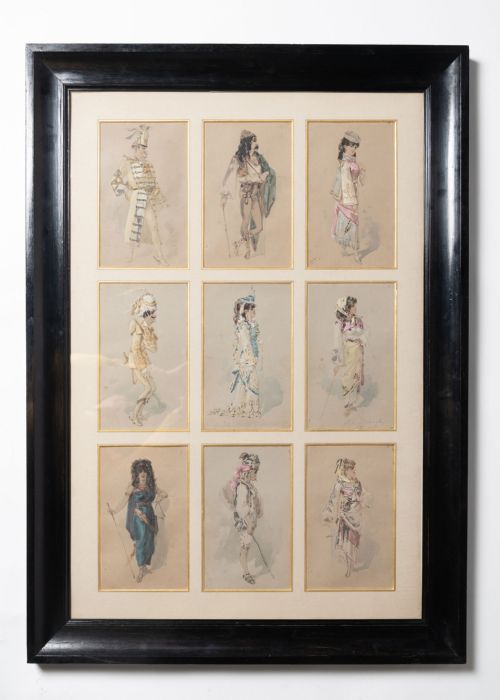
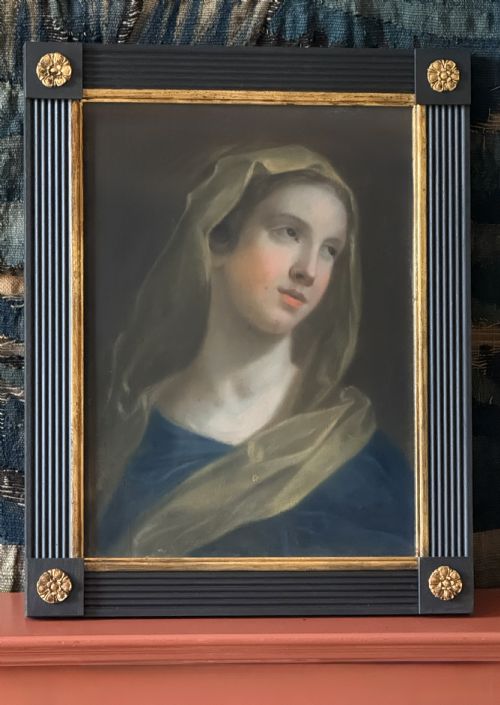
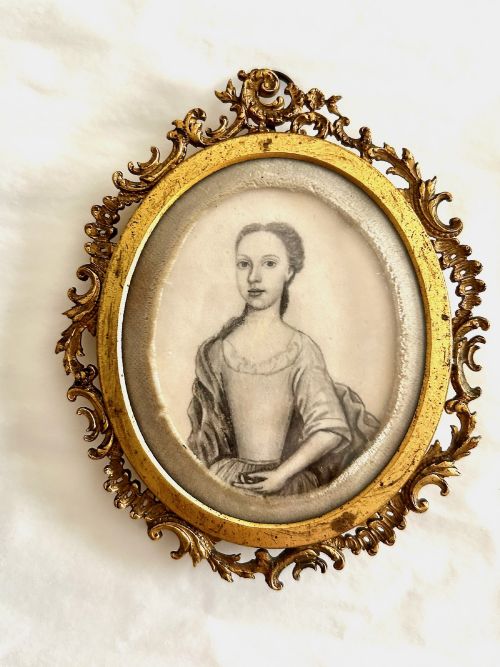
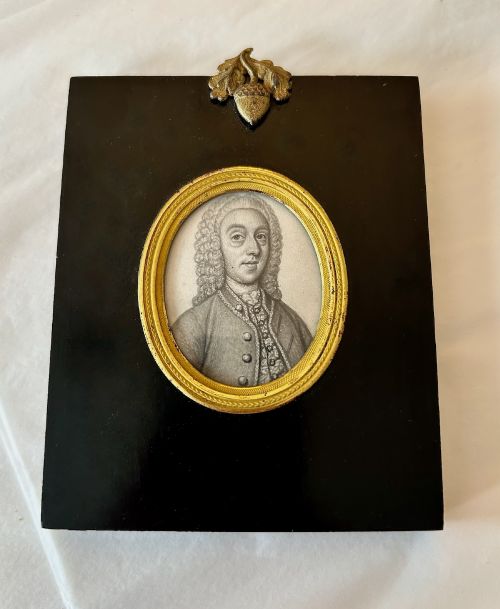
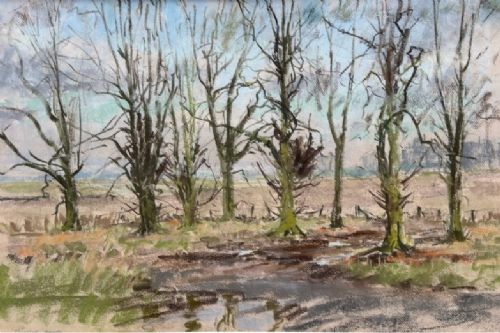
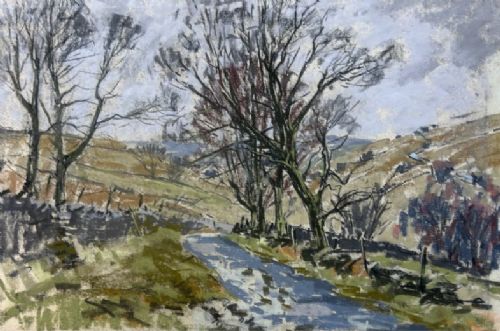
When you search for framed drawing art, you encounter original works executed on paper using media such as pastel, ink, charcoal, and gouache. These pieces span multiple centuries, ranging from eighteenth-century portraits and classical studies to twentieth-century landscapes and modernist sketches.
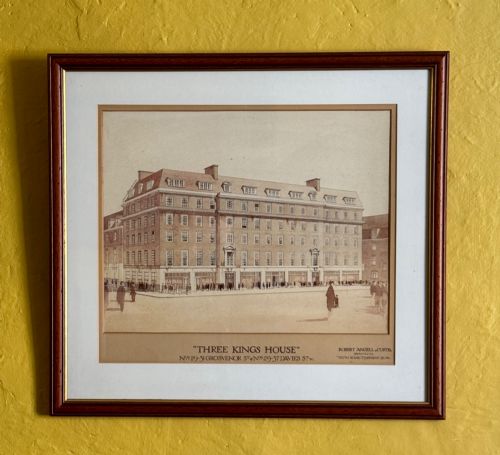
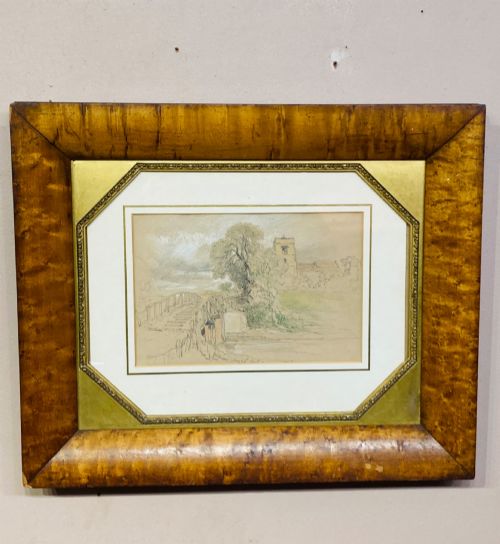
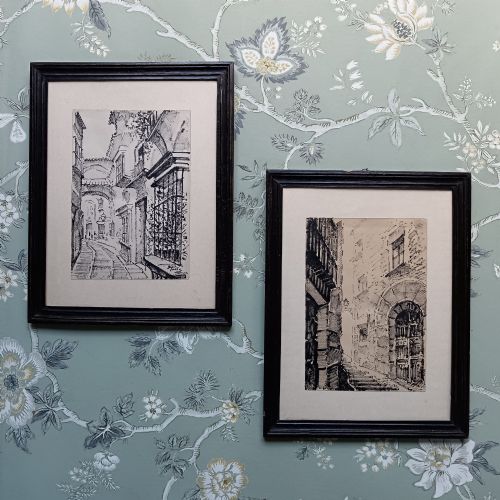
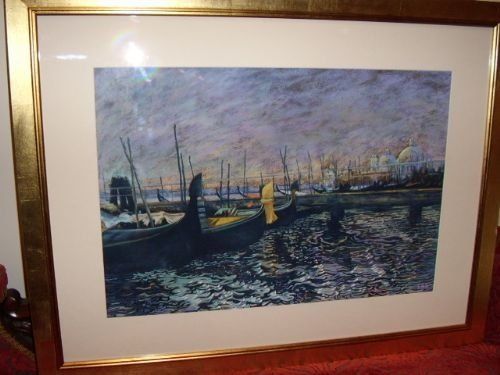
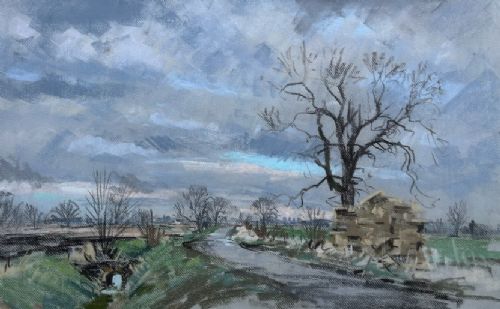
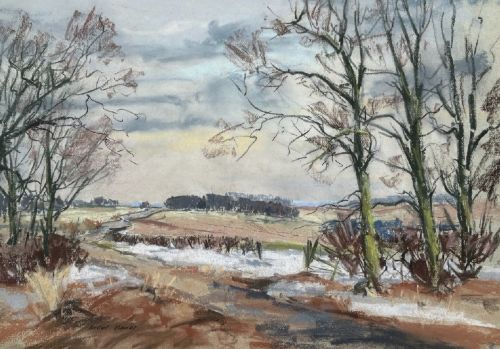
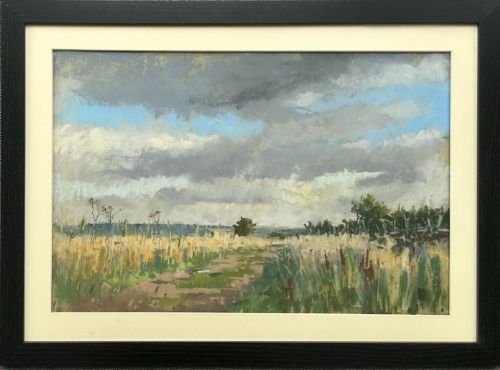
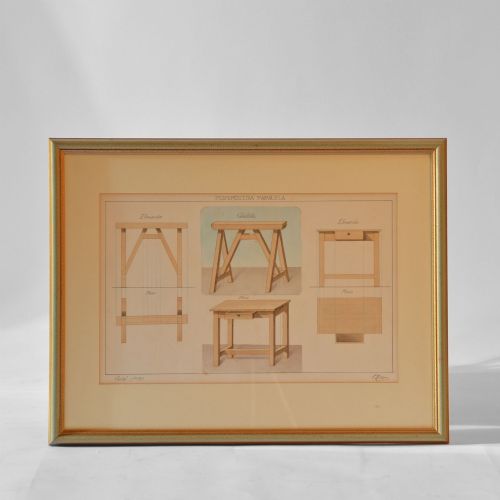
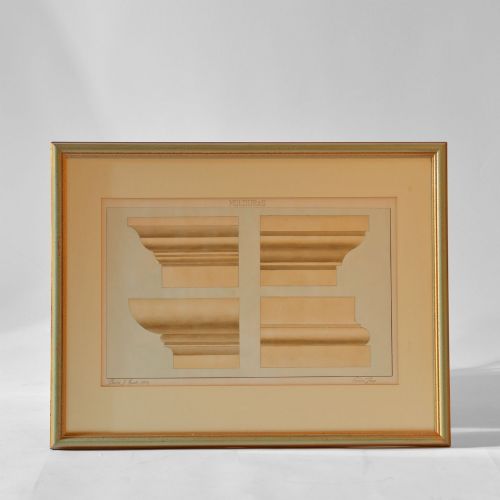
The selections on this page heavily feature mid-century British landscapes, alongside eighteenth-century portrait miniatures and nineteenth-century architectural studies. Each item comes housed in a protective frame, often accented with glass and traditional wooden mouldings.
Buyers choose these works to introduce genuine hand-drawn character and historical depth to domestic interiors. They offer an accessible entry point into collecting original fine art across diverse European and British schools.
Materials and execution
The primary support across these items is paper, frequently historic sheets that display natural ageing, tone variations, and texture. Artists applied dry mediums like pastel and charcoal for soft modulation, or fluid mediums such as ink and gouache for sharper graphic clarity.
Frames rely predominantly on wood, sometimes finished with carved giltwood details or painted surfaces designed to complement the artwork within. Glazing protects the delicate paper surfaces from atmospheric moisture and surface dust over time.
Framed Drawing Art Retail Price Guide 2026
Typical asking prices for framed drawing art among the pieces listed under this phrase on Sellingantiques today, from the lower quarter to the upper quarter. They describe what is for sale here now, not the wider market.
Among the historical portraits and landscapes, a charming study captures three black Pekingese dogs posing with quiet dignity.
Factors of distinction
Quality in these works rests upon the surety of the artist's hand, where confident line work and tonal control elevate a study into a compelling composition. The skill required to capture likeness, anatomy, or landscape perspective distinguishes master works from routine academic exercises.
Condition and originality also dictate standing, particularly the stability of the paper support and the preservation of pigment vibrancy under glass. Retaining appropriate period framing enhances the integrity and visual harmony of the piece.
James Ferguson·Anna Tonelli·Marjorie L Davies·Thomas Rowden·Jacob Kramer·Philip H Rideout·Bruce Bairnsfather·Maurice Quentin de la Tour·Henry Percy Huggill·Emily Eyres·James Smetham·Benedetto Luti·William Etty·John Russell·Leon Sprinck·Fred Lawson
The Framed Drawing Art Glossary
- Pastel
- A dry painting medium consisting of powdered pigment and a binder, known for its velvety texture and soft colour transitions. Works executed in this medium require glass protection to prevent smudging.
- Gouache
- An opaque water-based paint that dries to a matte finish, offering stronger coverage than traditional watercolour. It permits both fine linear detail and solid blocks of flat colour.
- Giltwood
- Wood carved and coated with a thin layer of gold leaf or metallic powder, commonly utilised for traditional ornate frames. This finish provides a warm, reflective border to works on paper.
- Provenance
- The documented history of ownership surrounding an artwork, which helps establish authenticity and origin. Clear records add significant context to historical drawings and portraits.
Framed Drawing Art: Frequently Asked Questions
How should I hang framed drawing art?
Hang these works away from direct sunlight to prevent the fading of delicate inks, pastels, and watercolours on paper. Position them at eye level in rooms with controlled humidity to protect both the paper and the wooden frame.
Ensure secure wall fixings suited to the weight of the timber and glass assembly. Grouping pieces with complementary periods can create a balanced display on a wall.
Why are drawings usually framed under glass?
Glass protects fragile mediums like pastel, charcoal, and graphite from being touched or accidentally smudged. It also shields the paper from dust, airborne pollutants, and moisture in domestic environments.
Historical sheets are especially vulnerable to atmospheric damage, making glazing a standard preservation method. Modern conservation glass can further reduce ultraviolet light exposure.
How do I identify the period of a drawing?
Examine the paper type, watermark evidence if visible, and the stylistic conventions employed by the artist. Portrait attire, framing styles, and handwriting on the reverse often provide reliable clues to the date of execution.
Comparing the technique to documented works from specific art movements helps narrow down the decade or century. Academic studies and sketches frequently reflect the dominant training methods of their era.
What is the difference between a study and a finished work?
A study is typically a preparatory or exploratory exercise where an artist works out composition, lighting, or anatomy. These pieces often display visible corrections, grid lines, or spontaneous brushwork.
Finished works are intended as complete statements and usually exhibit a higher degree of polish. Both hold distinct appeal for collectors valuing artistic process over final presentation.