


Framed Dog Portrait
A framed dog portrait brings centuries of canine character into a room through oil, pastel, watercolour, and silhouette.
Framed Dog Portrait
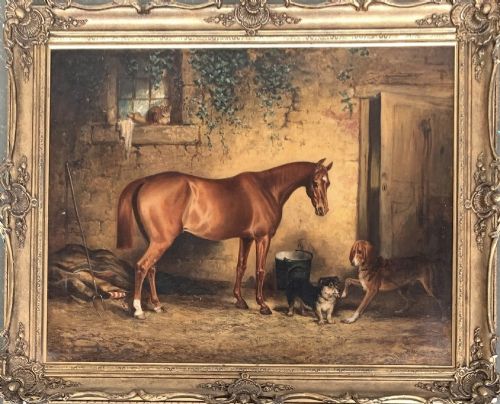
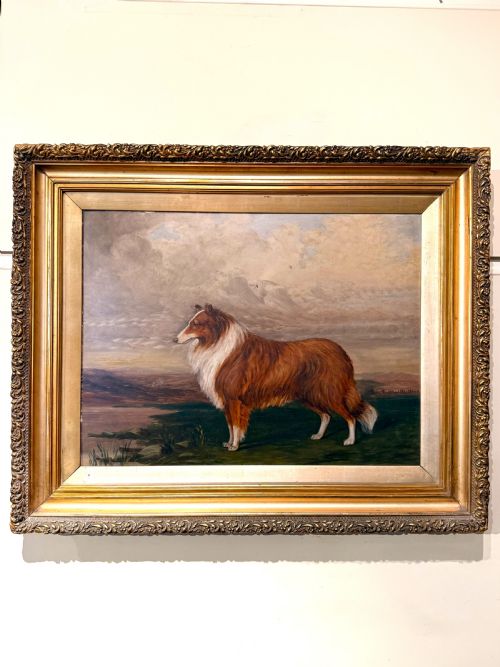
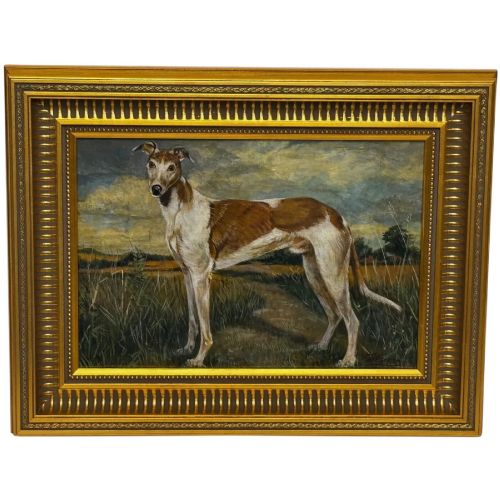
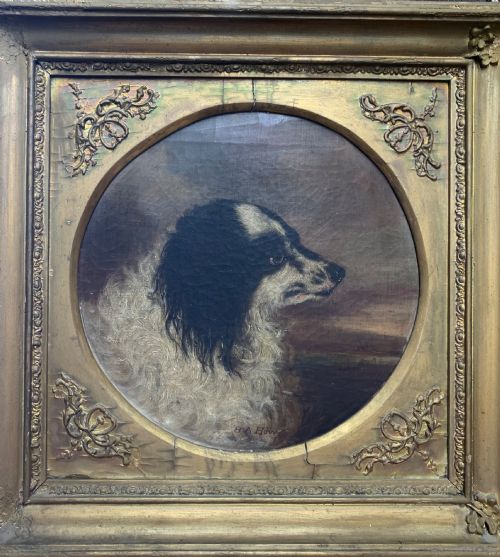
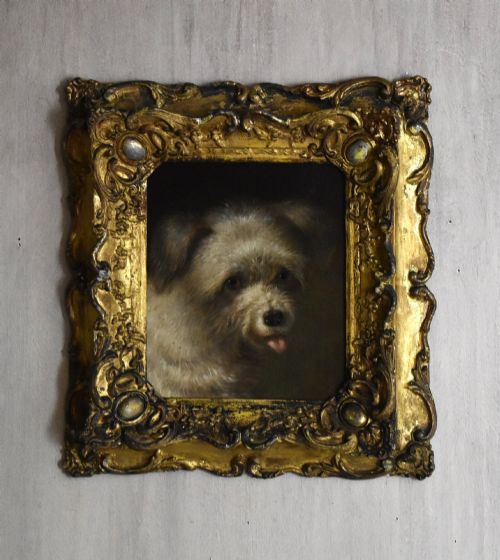
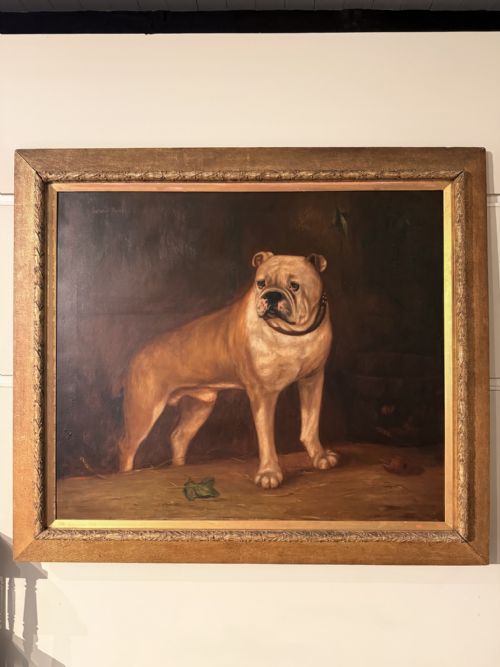
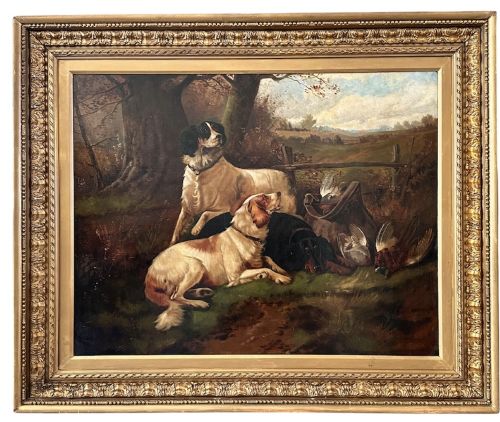
A framed dog portrait captures the personality of a canine companion, ranging from Victorian oil paintings of spaniels and retrievers to later watercolours and pastels.
The pieces on this page span the Georgian, Regency, Victorian, and Edwardian periods up to the mid-twentieth century, capturing hounds, gun dogs, and lapdogs.
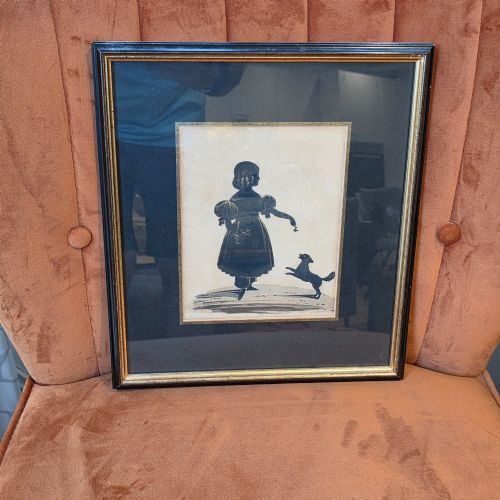
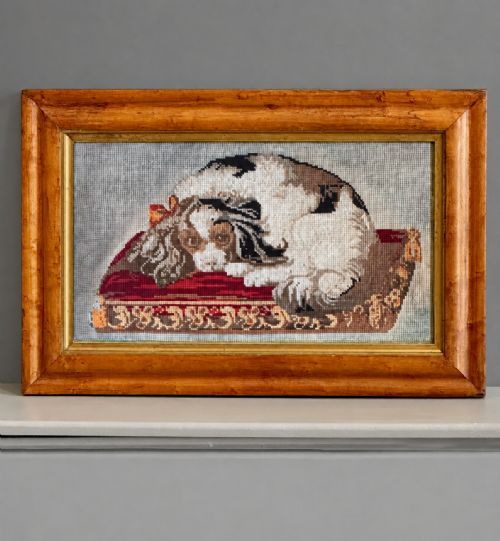
Works appear in various formats, including oils on canvas and board, delicate charcoal drawings, cut paper silhouettes, and framed prints behind glass.
Materials and technique
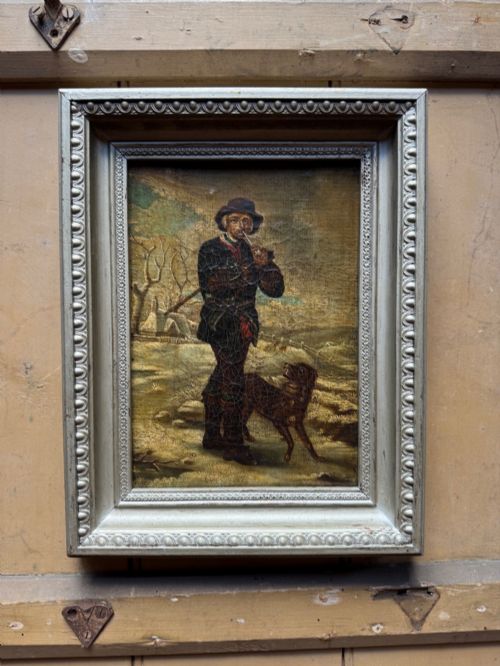
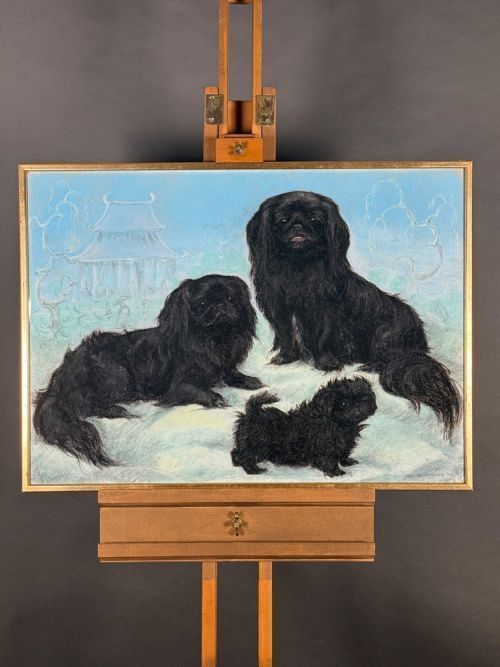
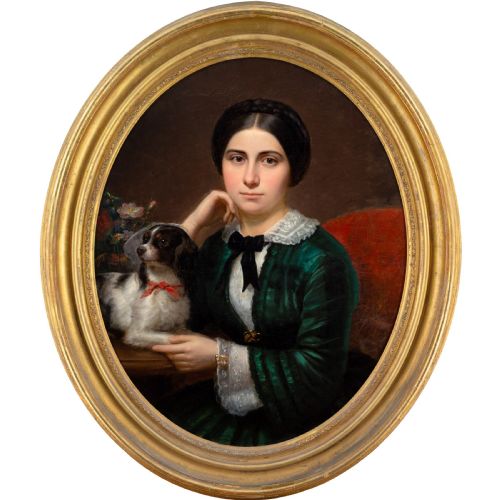
Painters utilised oil on canvas or board to build depth and texture in the depiction of animal coats, often housed within original giltwood or burr maple frames.
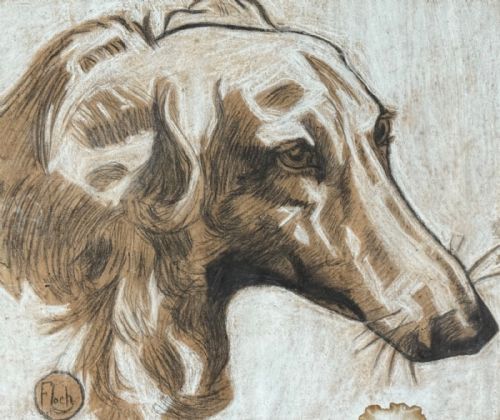
Works on paper employ media such as pastel, gouache, pencil, and watercolour, occasionally protected beneath glass.
Some examples utilise cut paper and silhouette techniques, capturing profiles with sharp precision.
Canine sitters include named subjects like Dora the boxer and Lady the hound, immortalised alongside aristocratic gun dogs and lapdogs.
Judging quality in canine art
Quality rests in the anatomical accuracy of the animal, the expressiveness of the brushwork or pencil lines, and the preservation of the medium over time.
The harmony between the artwork and its original period frame contributes significantly to the integrity of the piece.
Henry Barraud·William James Hubard·Valentine T Garland·Martin Theodore Ward·John Sargent Noble·C R Breytle·John Emms·John Frederick Herring Senior·LM Webb·Arthur Wardle·Herbert Dicksee·William Barraud·Augustin Edouart·Sir Edwin Landseer·Samuel Raven·George E Sharpe
The Framed Dog Portrait Glossary
- Oil on canvas
- Pigment suspended in drying oil applied to stretched fabric. This medium allows for rich colour blending and durable surface textures.
- Giltwood
- Wood carved and coated with gold leaf or metallic paint. It provides a reflective, ornamental boundary for historic works.
- Pastel
- A dry drawing medium consisting of powdered pigment and a binder. It creates velvety textures with soft tonal gradations.
- Silhouette
- A solid shape of a subject represented as a dark profile. These are often cut from paper and mounted against a contrasting background.
- Berlin work
- A type of nineteenth-century needlework embroidered in wool on canvas. It utilises patterned grids to produce colourful pictorial designs.
Framed Dog Portrait: Frequently Asked Questions
How do I date a framed dog portrait?
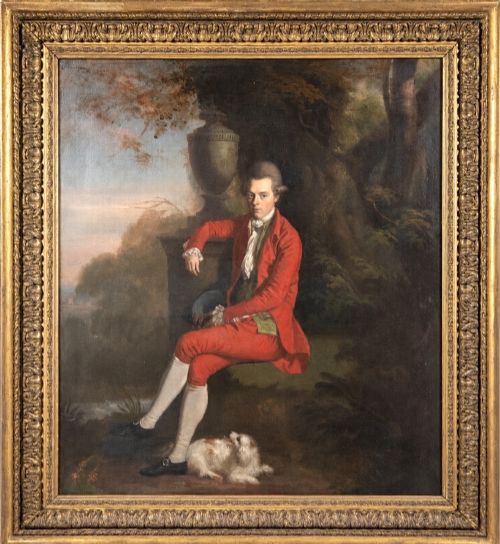
Dating relies on the style of the clothing in any accompanying human figures, the construction of the frame, and the specific pigments or papers utilised.
Signatures, artist dates, and framing materials such as burr maple or giltwood also offer reliable clues to the period.
Where were these dog portraits displayed?
Historic dog portraits typically hung in country houses, estate libraries, and formal drawing rooms to celebrate working dogs or beloved pets.
They served as status symbols for owners of hunting packs or as intimate memorials to domestic companions.
How should I care for antique works on paper?
Works on paper, pastels, and watercolours require protection from direct sunlight to prevent fading of the delicate pigments.
Maintaining stable indoor humidity prevents warping of the paper and protects the integrity of the original frame.
Are these portraits always signed by the artist?
Many fine art paintings and watercolours bear a signature or monogram, while numerous vernacular and folk-art pieces remain unattributed.
Unsigned works are judged purely on technical skill, anatomical accuracy, and the period materials used in their creation.