




Framed Castle Art
Framed castle art captures historic fortresses and romantic ruins through centuries of paint, paper, and ink.
Framed Castle Art
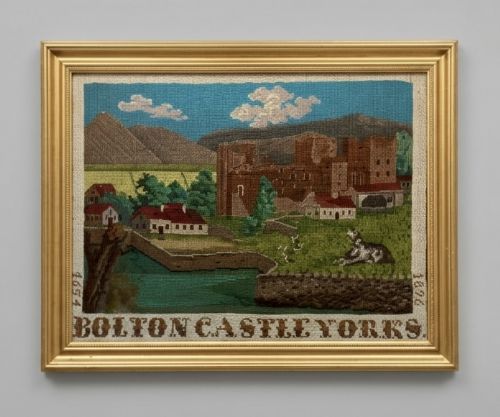
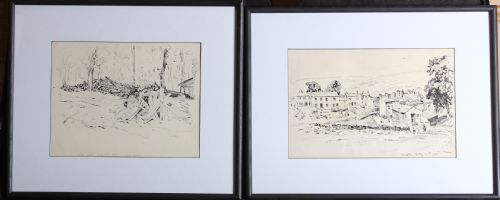
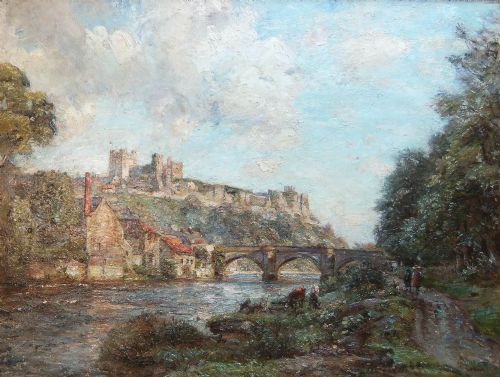
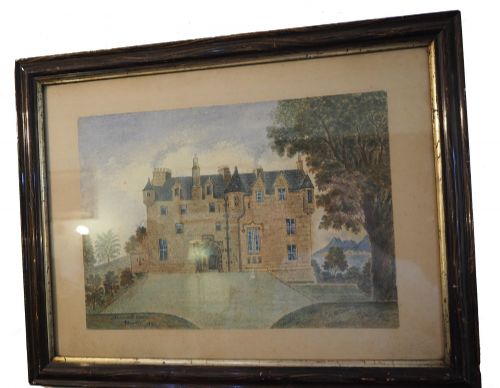
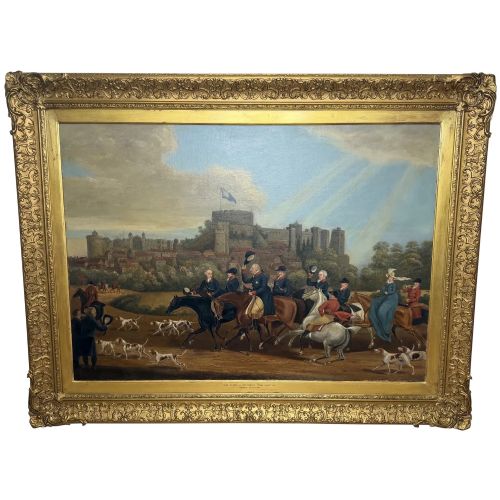
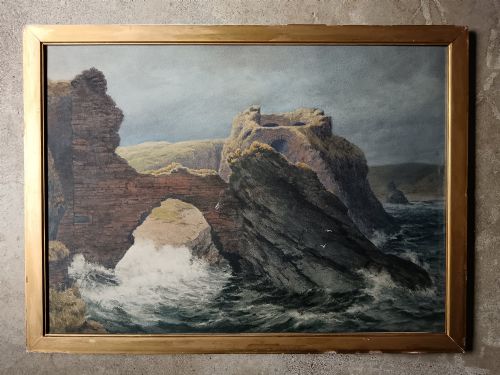
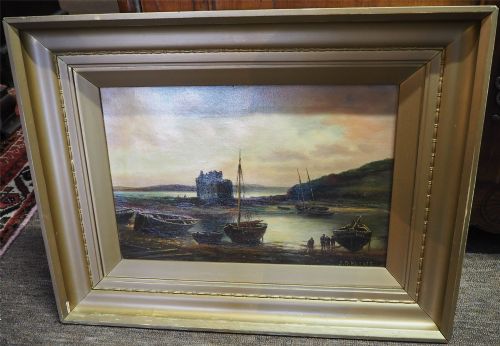
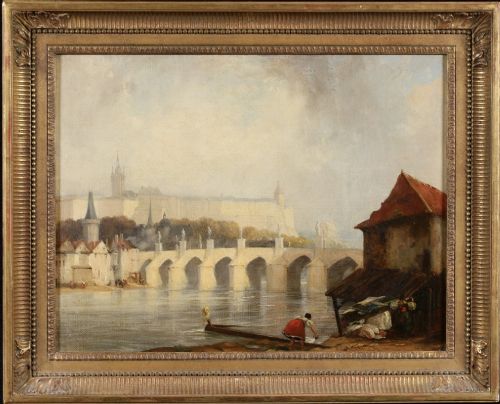
Framed castle art encompasses traditional watercolours, oil paintings, and ink drawings depicting historic fortresses, coastal ruins, and grand estates across Britain and Europe. These works range from detailed architectural studies of landmarks like Windsor and Bolton Castle to romantic nineteenth-century pastoral scenes set against ancient stone walls.
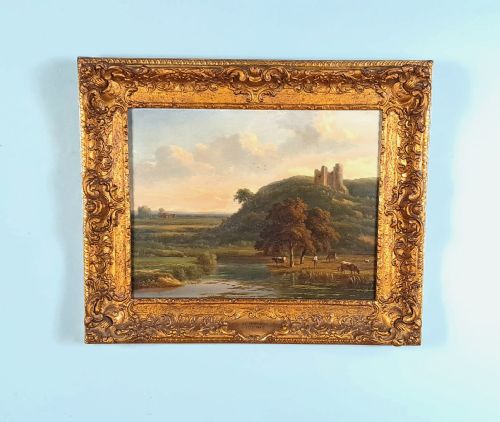
The versions most commonly met on this page date from the Victorian and Edwardian eras, alongside mid-twentieth-century British works. Painters of these periods often placed crumbling keeps and coastal strongholds within expansive landscapes featuring rivers, shipping, or livestock.
Makers on this page include known British and continental artists working in oil and watercolour, producing framed works intended for domestic display. Subjects frequently focus on recognisable locations in Yorkshire, Northumberland, Wales, and Scotland.
How they were made
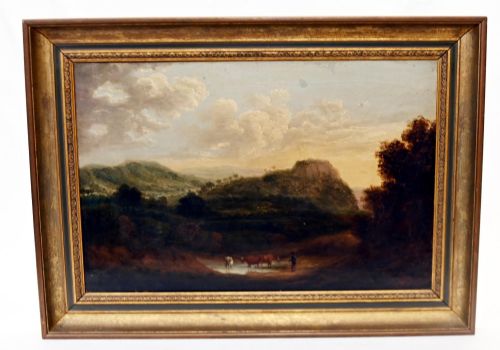
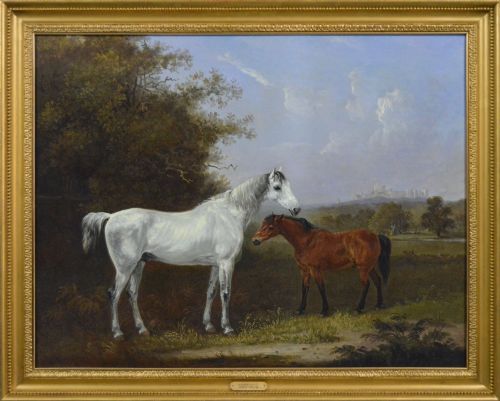
Artists painted these subjects using oil on canvas, oil on board, or watercolour and ink on paper, mounted behind glass within timber frames. Giltwood frames appear frequently on nineteenth-century oils, providing a heavy decorative border that complements the scale of the canvas.
Watercolours rely on pigment applied to paper, sometimes with ink outlines, capturing atmospheric light over coastal and rural castles. Oil paintings utilise layered pigment to build texture in skies, water, and masonry, set upon stretched canvas or wooden boards.
Framed Castle Art Retail Price Guide 2026
Typical asking prices for framed castle art among the pieces listed under this phrase on Sellingantiques today, from the lower quarter to the upper quarter. They describe what is for sale here now, not the wider market.
A half model of a fishing coble carries Tynemouth Castle on its wooden background.
What varies in quality
Quality rests upon the artist's handling of light, scale, and architectural perspective within the landscape. Works by established painters demonstrate confident brushwork in rendering stone textures, water reflections, and atmospheric skies.
Framing and preservation contribute significantly to the appeal of each piece. Original period giltwood frames and clean, unblemished watercolours preserved behind glass represent the higher end of the range found here.
Edmund Bristow·Thomas Cooper Moore·David Cox Jnr·Fred Lawson·William Mellor·Samuel Sidley
The Framed Castle Art Glossary
- Oil on Canvas
- Pigment mixed with drying oil applied to a woven fabric stretched across a wooden frame. This medium allows for deep colour saturation and textured brushwork.
- Watercolour
- A paint consisting of water-soluble pigments used on paper. It creates translucent washes of colour suited to atmospheric landscapes.
- Giltwood
- Wood carved and covered with a thin layer of gold leaf or gold-coloured metal. It is commonly found on nineteenth-century picture frames.
- Folk Art
- Artistic work created within a traditional culture by self-taught makers. These pieces often display simplified forms and local materials.
- Pastel
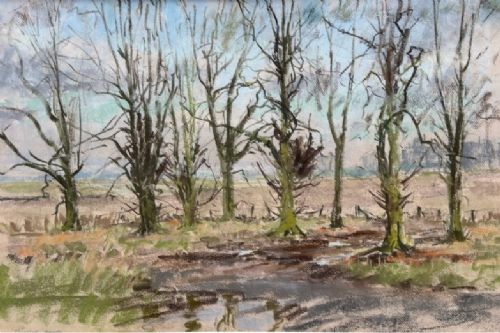
- A dry drawing medium made of powdered pigment and a binder. It produces velvety colours often fixed under glass to prevent smudging.
Framed Castle Art: Frequently Asked Questions
What periods do these paintings date from?
The selection spans from the Georgian era through the Victorian and Edwardian periods into the mid-twentieth century.
Nineteenth-century works dominate the offerings, alongside watercolours and oils produced around nineteen-forty.
Are these works original paintings?
Every listed piece is an original painting, watercolour, or drawing rather than a modern reproduction.
Artists painted these directly onto canvas, board, or paper using traditional fine art media.
How should I hang framed art?
Hang these works away from direct sunlight and damp environments to protect paper, canvas, and gilt frames.
Ensure wall fixings match the weight of the heavier oil paintings and their original wooden frames.
Which castles appear most often?
British strongholds such as Windsor, Bolton, Bamburgh, and Conwy feature prominently across these watercolours and oils.
Artists also recorded European locations including Prague Castle and Bavarian gothic structures.