




Framed Caricature Prints
Framed caricature prints bring sharp political satire and social commentary from past centuries directly onto the wall.
Framed Caricature Prints
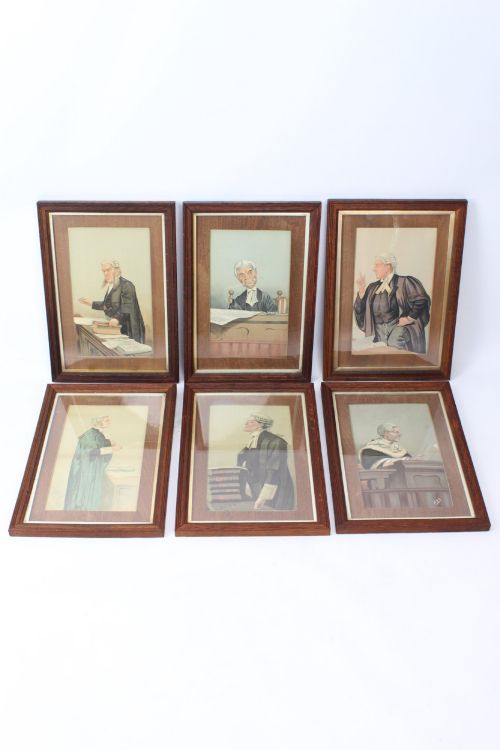
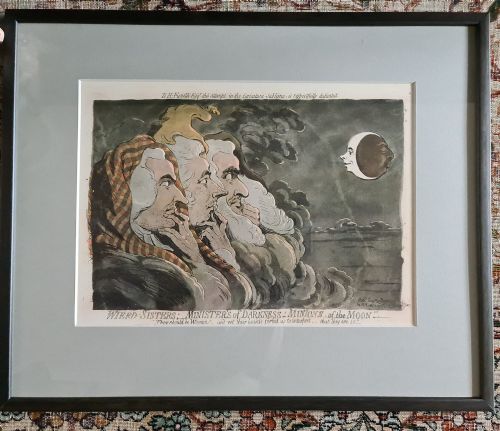
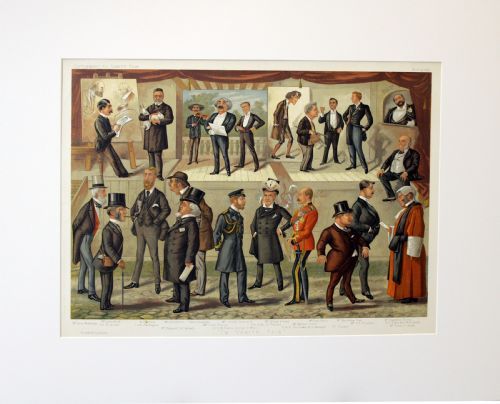
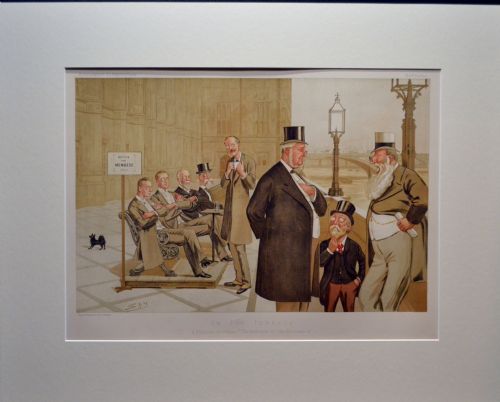
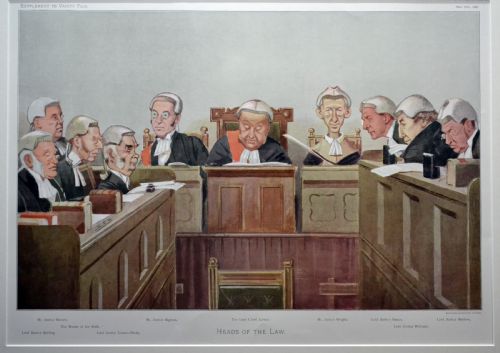
Framed caricature prints encompass political allegories, social satires, and character portraits spanning from the eighteenth century through to the mid-twentieth century. Buyers searching for framed caricature prints most frequently encounter nineteenth-century works, particularly Victorian magazine plates and Vanity Fair Spy prints framed behind glass.
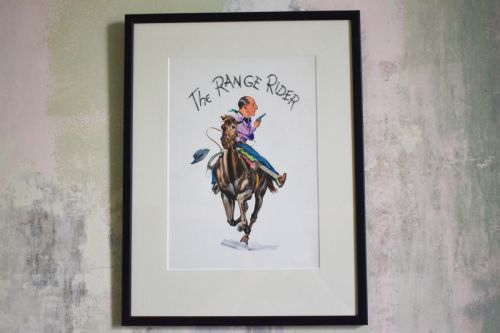
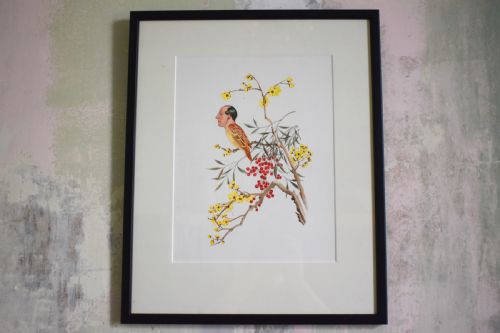
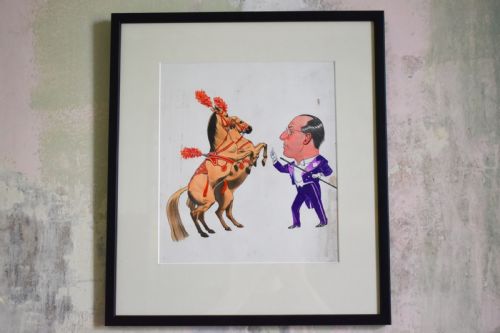
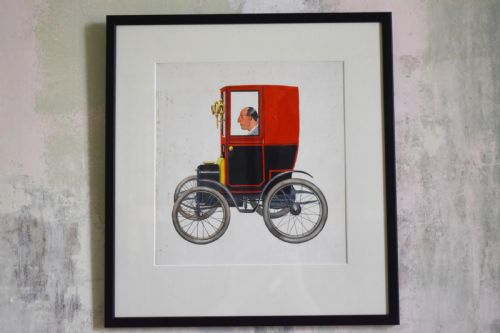
The selections range from single sheets and book illustrations to watercolour paintings and hand-coloured stipple engravings. Subjects cover politicians, legal figures, royalty, military officers, and sporting scenes including hunting, racing, and motoring.
How they were made
The physical works combine paper, card, and ink with printing techniques like chromolithography and stipple engraving. Many examples incorporate hand-applied watercolour pigment to enrich the printed lines.
Framing materials rely predominantly on wood and glass to protect fragile paper surfaces from environmental damage and handling.
What varies in quality
Quality rests upon the crispness of the original impression, the vibrancy of surviving watercolour or chromolithographic ink, and the condition of the paper sheet. Stronger examples retain clear detail without heavy fading or excessive staining across the margins.
The character of the frame also influences the piece, with period wood mouldings contributing greater historical coherence than modern replacements.
Gilray·Thomas Worth·Henry William Bunbury
The Framed Caricature Prints Glossary
- Chromolithography
- A planographic colour printing technique using multiple limestone blocks, one for each ink colour. This method produced the vivid hues seen in many nineteenth-century periodical plates.
- Stipple engraving
- An intaglio printmaking method using dots to build up tones and figures. Artists used this technique to achieve soft gradations of shade before applying hand colour.
- Caricature
- A portrait or scene exaggerating peculiarities or defects for satirical effect. These works targeted political figures, social trends, and public institutions.
- Watercolour pigment
- Finely ground colour particles suspended in a water-soluble binder. Makers applied these paints by hand to accentuate printed satirical illustrations.
Framed Caricature Prints: Frequently Asked Questions
What periods do these prints cover?
The available selection spans from the eighteenth century through the Georgian and Victorian eras into the Edwardian period and the early twentieth century, including pieces from the 1920s and 1930s.
Each era reflects distinct printing methods, from hand-coloured stipple engravings of the Georgian period to chromolithographic magazine plates of the late nineteenth century.
Who produced Vanity Fair prints?
Vanity Fair magazine published numerous satirical portraits created by artists working under pseudonyms like Spy, alongside other staff illustrators.
These plates typically depicted prominent public figures, politicians, lawyers, and military officers within double-page or single-sheet formats.
How should I hang framed prints?
Paper prints require protection from direct sunlight to prevent the ink and watercolour pigments from fading over time.
Displaying them away from moisture-prone areas ensures the wood frames and paper substrates remain stable.
Are these works original antique items?
The inventory consists of period pieces, including original magazine plates, vintage watercolours, and antique engravings from past centuries.
Descriptions specify the medium and period to help identify the historical context of each individual artwork.