




Framed Canal Art
Framed canal art brings home the quiet movement of water and historic architecture captured across European waterways.
Framed Canal Art
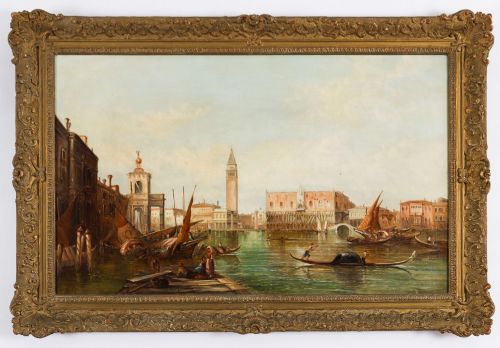
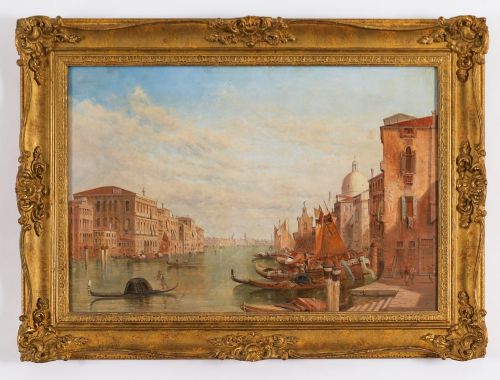
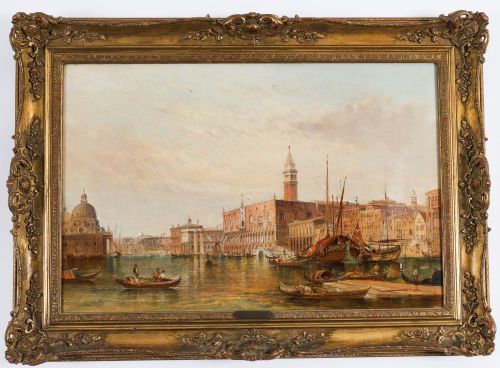
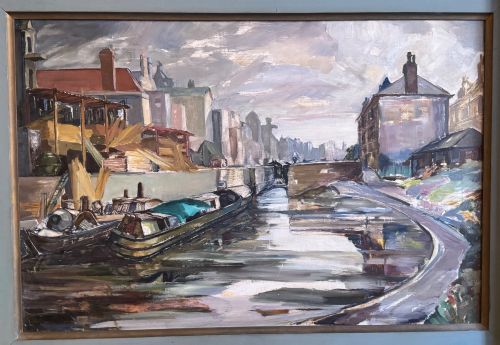
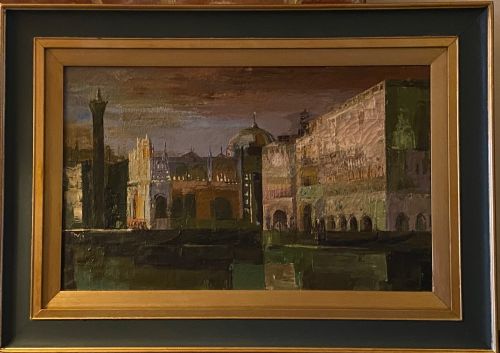
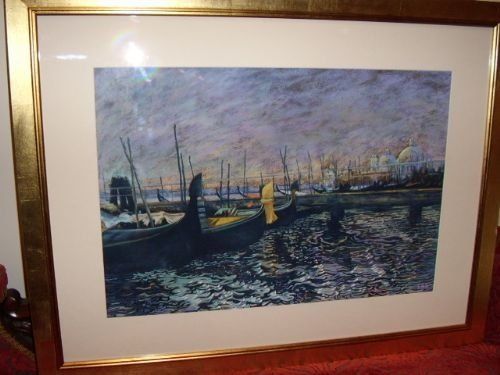
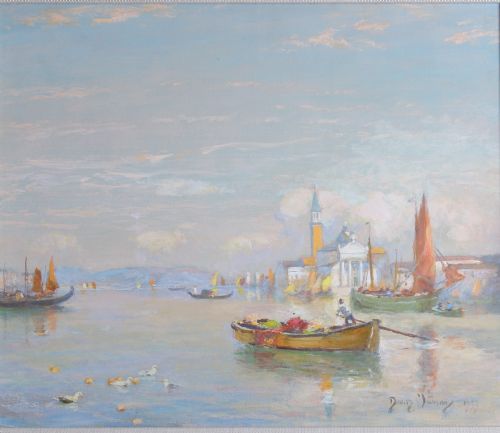
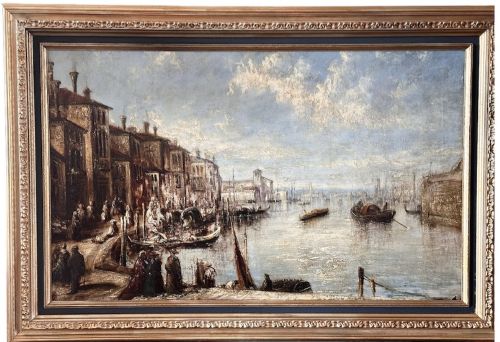
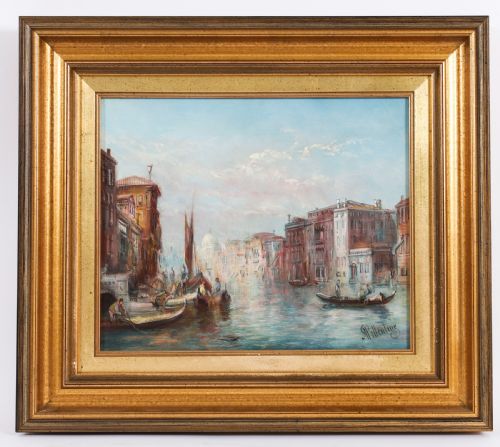
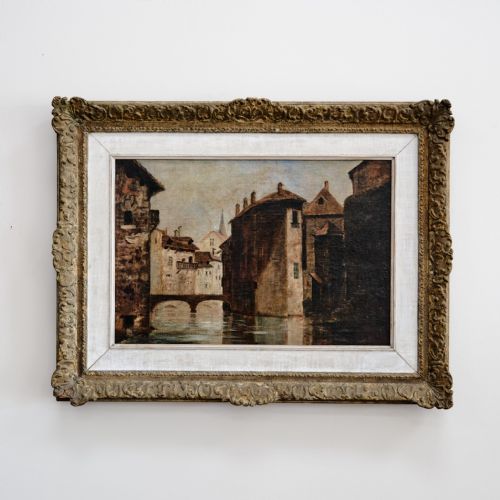
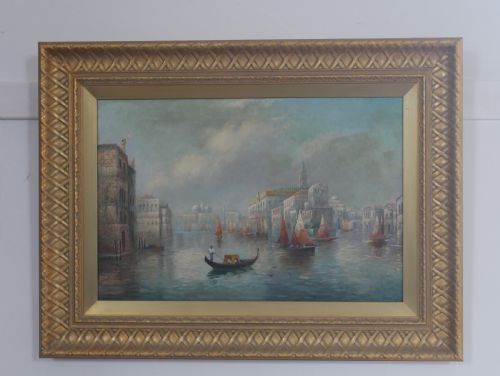
Framed canal art encompasses oil paintings, watercolours, and pastel works depicting waterways, rivers, and lagoon scenes primarily centred on Venice, Dutch landscapes, and British rivers. These pieces record urban and rural aquatic views ranging from nineteenth-century Victorian visions to mid-century impressionist interpretations.
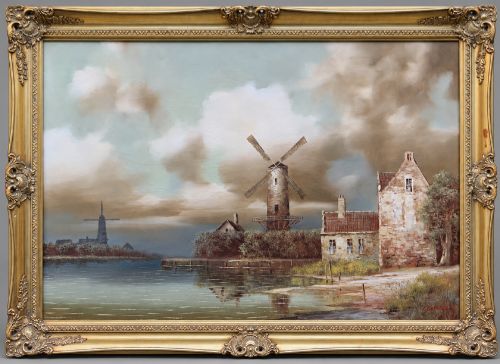
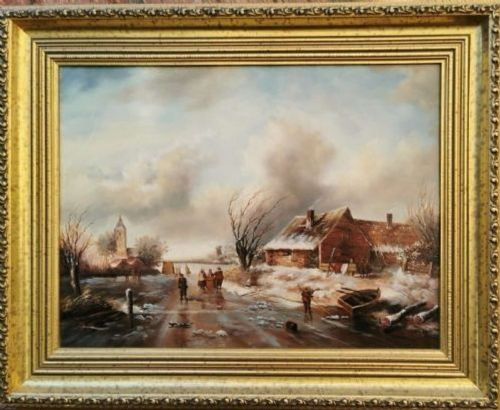
The selections encountered here frequently present bustling Venetian canals, quiet Dutch windmills beside frozen waterways, and British canal locks captured by regional artists. Buyers select these works to bring established historical topographies and atmospheric water reflections into interior spaces.
Most examples rely on traditional framing, often in giltwood or simple wood surrounds that complement the palette of the canvas or paper within. These artworks span periods from the nineteenth century through the mid-twentieth century, reflecting evolving European painting styles.
Assessing Quality
Quality rests upon the artist's ability to render light reflecting off water and the architectural precision of surrounding palazzos or bridges. Works by established painters demonstrate confident brushwork and accurate perspective, distinguishing them from simpler decorative pieces.
The harmony between the artwork and its frame affects the overall integrity of the piece, with period-appropriate giltwood enhancing the visual weight of the painting. Condition of the canvas, pigment stability, and paper preservation also influence the standard of each item.
Framed Canal Art Retail Price Guide 2026
Typical asking prices for framed canal art among the pieces listed under this phrase on Sellingantiques today, from the lower quarter to the upper quarter. They describe what is for sale here now, not the wider market.
Framing materials include traditional giltwood and simple wood surrounds accompanying European landscapes and cityscapes.
Alfred Pollentine·William Raymond Dommersen·Francis Moltino·Antonietta Brandeis·Antoine Bouvard Senior
The Framed Canal Art Glossary
- Oil on Canvas
- A painting medium where pigments bound in drying oil are applied to stretched fabric. This technique allows for rich colour blending and textured surfaces.
- Watercolour
- A paint where coloured pigments are suspended in a water-soluble vehicle, typically applied to paper. It produces transparent washes suited to capturing atmospheric skies and water.
- Giltwood
- Wood that has been treated with gold leaf or gold paint for decorative effect. It provides a reflective border commonly found on traditional frames.
- Impressionism
- An art movement focusing on accurate depiction of light in its changing qualities, often using small, thin yet visible brush strokes. Works in this style prioritise overall visual effect over fine detail.
- Gouache
- A water-based paint similar to watercolour but made opaque by the addition of white pigment. It results in solid, flat areas of colour.
Framed Canal Art: Frequently Asked Questions
What periods do these pieces span?
The listings span from the nineteenth century through to the mid-twentieth century, capturing various artistic movements including Victorian fine art, Dutch impressionism, and mid-century modern interpretations.
Earlier works often feature detailed architectural studies, while later twentieth-century pieces lean towards looser impressionistic brushwork and expressionist forms.
How should I hang framed canal art?
These works suit traditional living spaces, studies, or hallways where adequate wall space allows the framed composition to serve as a focal point. Ensure the piece is hung away from direct sunlight to protect pigments on canvas and paper.
Pairing the artwork with complementary period furniture enhances the historical character of the interior scheme.
What subjects are most common?
Venetian canals featuring gondolas, bridges, and historic palazzos appear frequently across the selection. Dutch waterways with windmills and winter ice-skating scenes also represent a significant portion of the available artwork.
British river landscapes featuring locks and barges offer alternative rural subjects.
How do I care for watercolour versus oil paintings?
Watercolour paintings require protection behind glass to prevent moisture and atmospheric damage to the paper support. Keep these works in controlled environments away from direct humidity.
Oil paintings on canvas are generally more resilient but benefit from gentle dusting with a soft, dry brush and stable indoor temperatures.