

Framed British Fine Art
Framed british fine art brings together centuries of portraiture and landscape, offering historical depth and traditional craftsmanship for domestic interiors.
Framed British Fine Art
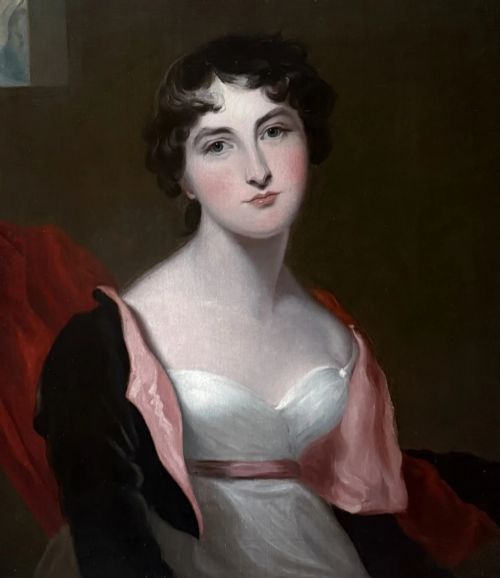
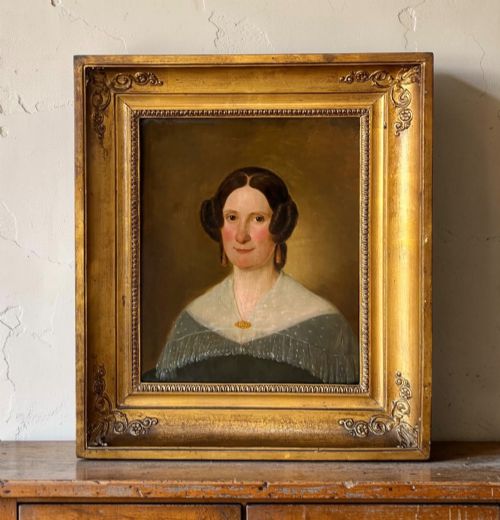
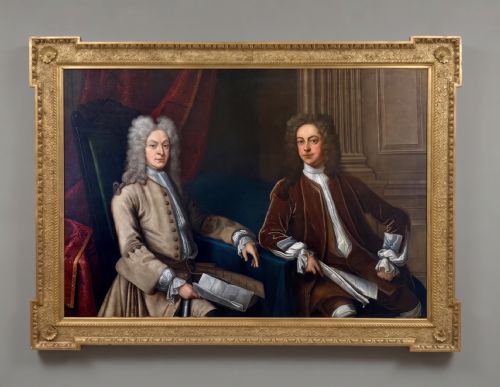
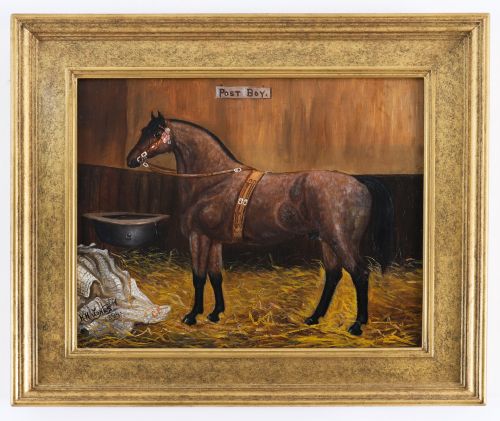
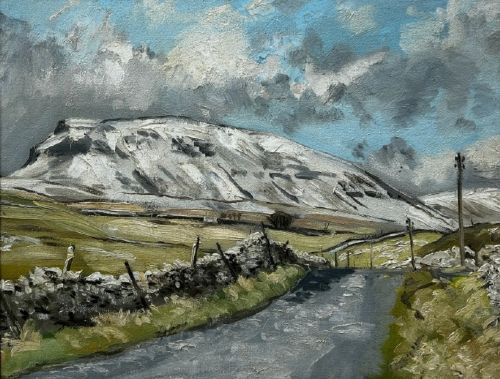
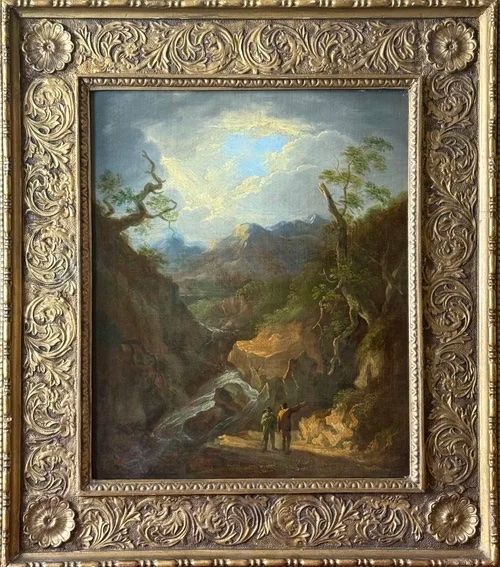
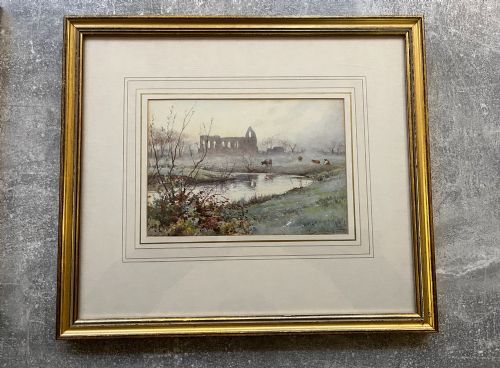
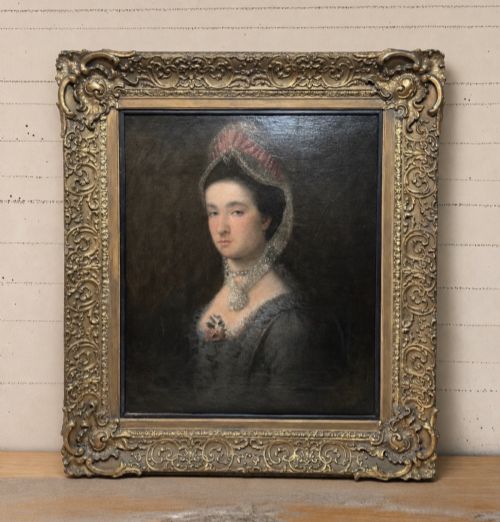
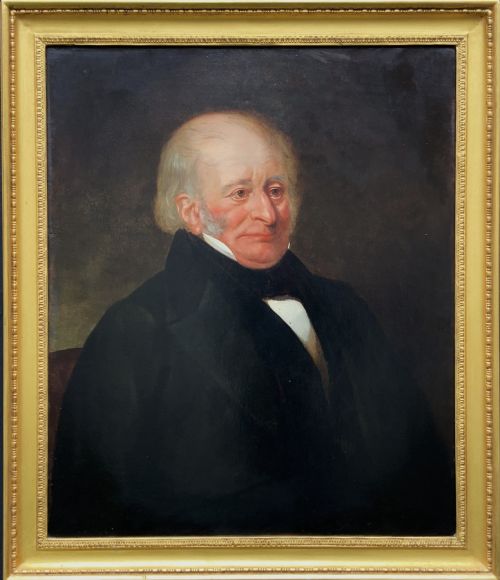
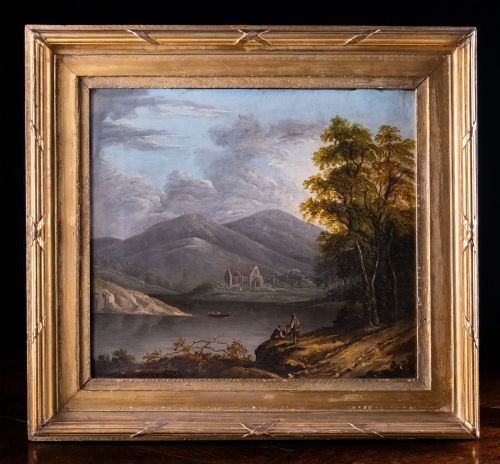
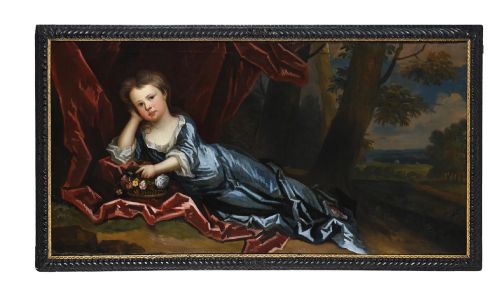
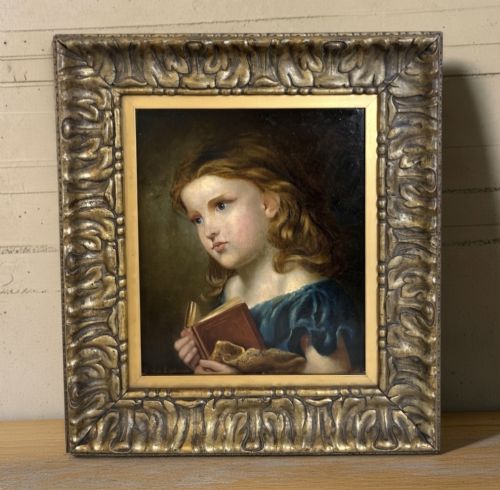
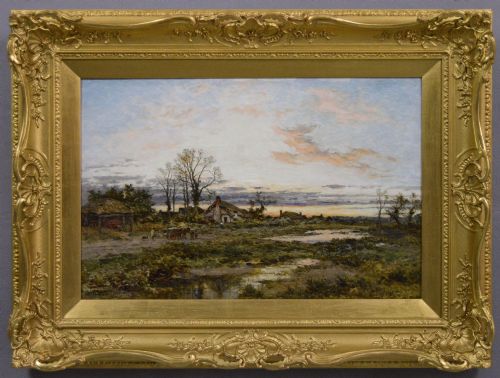
Framed british fine art encompasses oil paintings, watercolours and pastel drawings produced across various historical periods, including the eighteenth century and the Victorian era. These works frequently depict portraits of named figures, rural landscapes and architectural scenes.
The selections available range from early oil portraits on canvas by documented artists to nineteenth-century watercolours and mid-twentieth-century landscape paintings. Buyers encounter both intimate portrait miniatures and large framed wall art.
Works attributed to regional schools alongside pieces by established royal academicians represent the core of this grouping. Each piece retains its original or period-appropriate framing materials.
Materials and Techniques
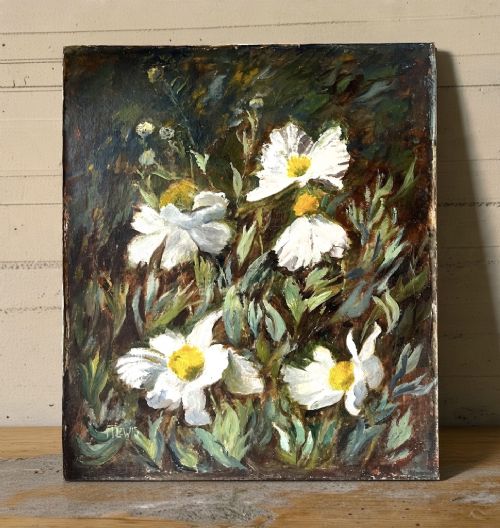
Artists utilised oil on canvas, paper and panel as primary supports, applying pigments with traditional brushes or occasionally working in pastel medium. Watercolours on paper capture lighter tonal shifts, often finished with protective glass and mounts.
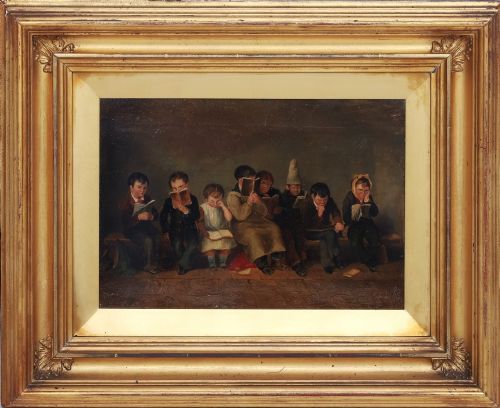
Giltwood and timber frames provide structural containment and aesthetic enhancement, reflecting the decorative tastes of periods such as the Georgian, Regency and Victorian eras. These frames utilise carved wood elements finished with metallic leaf or gesso layers.
Framed British Fine Art Retail Price Guide 2026
Typical asking prices for framed british fine art among the pieces listed under this phrase on Sellingantiques today, from the lower quarter to the upper quarter. They describe what is for sale here now, not the wider market.
Materials recorded across the inventory include giltwood, canvas, glass, paper and traditional timber supports.
Assessing Artistic Execution
The ability of the hand to render anatomical accuracy, fabric textures and atmospheric light distinguishes accomplished portraiture and landscape composition from simpler provincial student work. Greater subtlety in handling tone and perspective elevates a canvas or watercolour.
The integrity of the original support, the stability of the paint or pigment layer, and the preservation of the matching period frame influence the overall historical value of the artwork.
Benjamin Barker de Bath·Percy Robertson·Charles D Agar·George Hamilton Constantine·Benjamin Williams Leader·Sir Godfrey Kneller·Thomas Hudson·Michael Dahl·Thomas Murray·Peggy de Brett·John Syer·Angus Rands·Herbert Royle·Sir Thomas Lawrence·Herbert Menzies Marshall·David Law·Sir Martin Archer Shee·Bernard Hailstone·Sir James Dromgole Linton·George Graham·Thomas Ellison·John Maler Collier·Frederick Marriott·John Opie·John Horace Hooper
The Framed British Fine Art Glossary
- Oil on canvas
- A painting medium where pigments are suspended in drying oils and applied to a woven fabric stretched across a wooden frame. This technique allowed artists to achieve deep colour saturation and rich surface texture.
- Watercolour
- A painting method where fine pigments are mixed with a water-soluble binder for application on paper. It creates luminous, transparent washes that depend on the white of the paper for brightness.
- Giltwood
- Carved wood that has been covered with a thin layer of gold leaf or metal powder. It was widely utilised for ornate picture framing during the eighteenth and nineteenth centuries.
- Pastel drawing
- An artwork created using powdered pigments pressed into stick form. It yields soft, velvety colours that require mounting under glass for protection against smudging.
- Portraiture
- The representation of a particular person, capturing likeness, personality and social status through painting or drawing. Historical examples frequently record aristocracy, military officers and local dignitaries.
Framed British Fine Art: Frequently Asked Questions
How should I hang framed art?
Hang paintings at eye level using secure wall fixings suited to the weight of the timber and giltwood frames.
Keep pieces away from direct sunlight and damp environments to protect the canvas or paper support.
What subjects are most common?
Portraits of individuals and British landscape scenes dominate the available historical inventory.
Agricultural views, coastal harbours and architectural landmarks also appear frequently across different centuries.
How do I identify the period?
Examine the style of clothing in portraits, the framing materials, and any artist signatures or dates recorded on the reverse.
Stylistic movements like Baroque, Romanticism and British Impressionism offer further clues to the date of execution.
Are watercolours fragile?
Watercolours on paper are sensitive to light and moisture due to their unprotected pigment layers.
Displaying them behind glass away from direct sun exposure preserves the original colours.